



Discover 17 expert-backed ways to keep the liver healthy naturally, including diet tips, lifestyle habits, and prevention strategies for long-term wellness.
Understanding the Role of the Liver
The liver is one of the most vital organs in your body, playing a central role in metabolism, detoxification, and nutrient storage. Think of it as your body’s own chemical processing plant, it filters toxins, processes food into energy, and helps regulate hormones.
A healthy liver means a strong immune system, better digestion, and more balanced energy levels.
Early Signs of Liver Trouble You Shouldn’t Ignore
It’s easy to overlook subtle symptoms until they become serious. Watch for:
Chronic fatigue or weakness
Yellowing skin or eyes (jaundice)
Abdominal pain or swelling
Dark urine or pale stool
Unexplained weight loss or nausea
These signs could indicate liver stress or early-stage disease. Early detection can prevent complications.
Diet’s Role in Liver Health
A nutrient-dense diet can support your liver in flushing toxins and regenerating damaged cells. Focus on:

Superfoods for Liver Detoxification
Turmeric: Contains curcumin, a powerful anti-inflammatory.
Garlic: Stimulates liver enzymes that help eliminate toxins.
Leafy greens: Boost bile production and neutralize heavy metals.
Berries: Rich in antioxidants that protect liver cells.
Hydration and Its Impact on Liver Function
Drink at least 8-10 glasses of water daily
Add lemon to water for gentle detox
Herbal teas like dandelion root and milk thistle aid liver cleansing
Avoid sugary drinks, which burden the liver
Exercise and Liver Function
Staying active promotes healthy circulation and helps the liver metabolize fats efficiently. Aim for:
150 minutes of moderate exercise weekly (brisk walking, cycling)
Resistance training to reduce visceral fat
Yoga and stretching to enhance blood flow
Physical activity also reduces the risk of non-alcoholic fatty liver disease (NAFLD).
- Tragedy in Kogi: Police Corporal Allegedly Kills Female Colleague, Takes Own Life After Reported Relationship Crisis
 A tragic shooting incident involving two serving police officers has…
- Tottenham Stun Chelsea at Stamford Bridge as Palmer Sees Red and Maddison Suffers Fresh Injury Blow
 Tottenham Hotspur delivered a statement victory over London rivals Chelsea…
Limit Alcohol Intake for Liver Protection
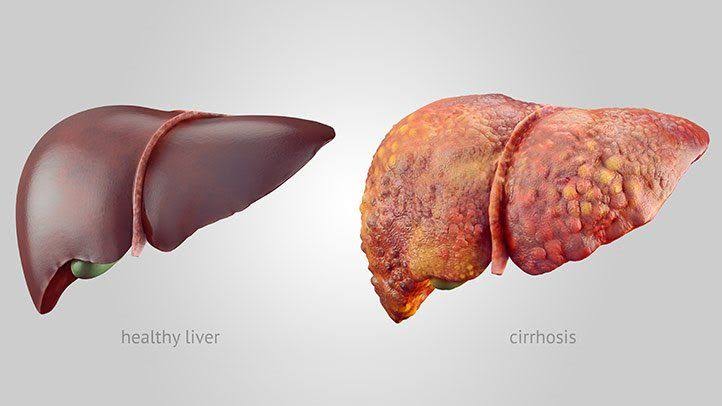
The liver processes over 90% of alcohol consumed. Excess intake damages liver cells and can lead to cirrhosis.
Women: no more than 1 drink/day
Men: no more than 2 drinks/day
Avoid Toxins and Environmental Pollutants
You might be exposing your liver to toxins without even realizing it.
Minimize:
Aerosol sprays and harsh cleaners
Plastic containers with BPA
Pesticides on fruits and vegetables (always wash produce thoroughly)
Wear gloves when using chemicals and ensure good ventilation indoors.
Medication and Supplement Caution
Even common meds can harm your liver when overused.
Avoid prolonged use of acetaminophen (Tylenol)
Be cautious with herbal remedies.
Stick to doctor-recommended dosages of medications.
Always check for “hepatotoxicity” warnings on labels.
Manage Weight and Belly Fat
Excess belly fat increases the risk of fatty liver disease.
Eat a high-fiber, low-sugar diet
Practice intermittent fasting or eat smaller meals
Focus on whole foods and avoid ultra-processed snacks
Losing just 5–10% of your weight can significantly improve liver markers.
Control Blood Sugar and Cholesterol
People with diabetes or high cholesterol are at greater risk for liver complications.
Choose whole grains, legumes, and low-glycemic foods
Use healthy fats like olive oil and avocado
Monitor cholesterol levels with annual checkups
Stable blood sugar also prevents liver insulin resistance.
Avoid Smoking and Recreational Drugs
Smoking introduces carcinogens into the bloodstream, and the liver must work overtime to process them.
Nicotine and drug toxins strain liver enzymes
Avoid recreational drug use altogether
Safe Sex and Hepatitis Prevention
Hepatitis B and C viruses can cause chronic liver inflammation and cancer.
Get vaccinated for hepatitis A and B
Use protection during sex
Avoid sharing needles or personal grooming tools
Regular screening is essential if you’re at higher risk.
Routine Liver Checkups and Screening
Don’t wait for symptoms to appear. Get tested if you:
Have a family history of liver disease
Use medications long-term
Are overweight or diabetic
Common liver tests include ALT, AST, bilirubin, and albumin levels.
Natural Ways to Detox the Liver (Myth vs. Fact)
Not all detox methods are safe or effective.
Myth or Reality
Juice cleanses remove toxins The liver naturally detoxes, juice alone won’t do it
Lemon water melts fat It hydrates and boosts digestion, but won’t burn fat directly
Fasting resets the liver It can help if done safely and short-term
Focus on long-term healthy habits instead of quick fixes.
Stress and Liver Health Connection
High stress levels trigger inflammation and hormonal imbalances that affect liver health.
Practice mindfulness or deep breathing
Spend time in nature
Sleep 7–9 hours nightly
Your emotional well-being directly affects your body’s detox systems.
Liver Health in Different Age Groups
Children: Limit processed foods and sugar
Adults: Monitor alcohol and stress levels
Seniors: Watch medications and undergo annual screenings
Every age can benefit from liver-friendly habits.
FAQs: Liver Health Best Practices
- How can I tell if my liver is healthy?
Routine blood tests and absence of symptoms like jaundice or fatigue suggest good liver health. - Is it okay to drink alcohol occasionally?
Yes, but moderation is key — stick to recommended limits. - Can liver damage be reversed?
In early stages, yes. Fatty liver can be reversed with lifestyle changes. - Are liver detox teas safe?
Some may help, but consult a doctor first to avoid harmful interactions. - What is the best diet for liver health?
Mediterranean-style: whole grains, vegetables, lean protein, and healthy fats. - Should I take liver supplements?
Only under medical guidance. Some can be toxic if misused.
Conclusion: Daily Habits for Lifelong Liver Vitality
Keeping your liver healthy doesn’t require extreme diets or fancy detoxes. It’s about consistent, simple lifestyle changes: eating clean, staying active, managing stress, and avoiding toxins.
Treat your liver kindly, and it’ll take care of you for a lifetime.