




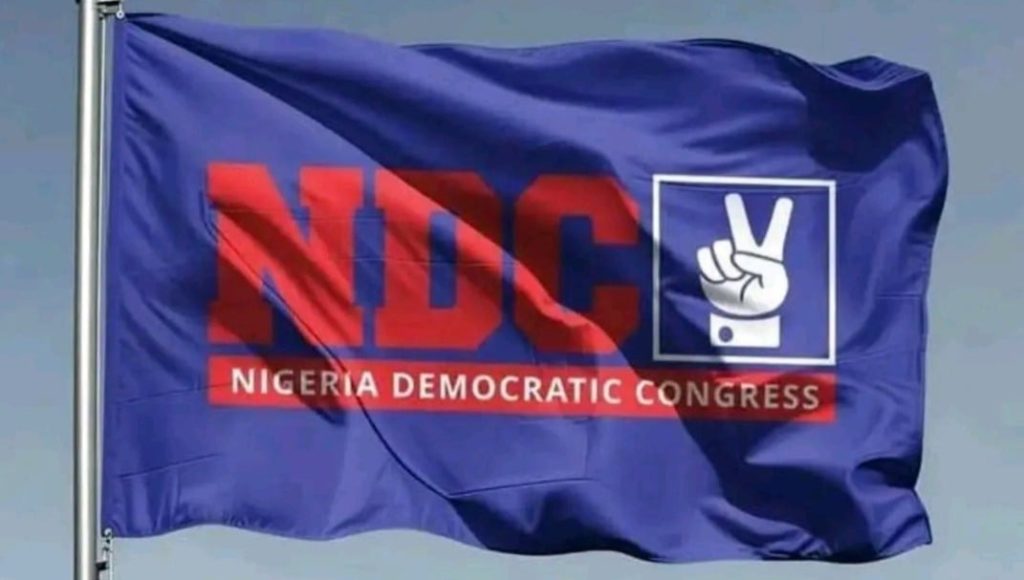
A fresh crisis has erupted within the Nigeria Democratic Congress (NDC) in Kano State after the party replaced several candidates earlier nominated by the Kwankwasiyya movement, citing an alleged breach of a power-sharing arrangement agreed upon when former Kano State governor, Rabiu Musa Kwankwaso, and his supporters joined the party.
The development is the latest chapter in a prolonged dispute between the party’s original Kano leadership and the Kwankwasiyya bloc over control of party structures and elective positions ahead of the 2027 general elections. Party officials maintain that the candidate substitutions were necessary to preserve an earlier agreement that allocated 60 percent of the party structure in Kano to Kwankwaso’s supporters and 40 percent to the existing party leadership.
According to documents cited by Daily Post, the Kano State NDC leadership approved a revised list of candidates after concluding that the initial nominations submitted by the Kwankwasiyya faction failed to reflect the agreed sharing formula. The revised list reportedly affected several House of Representatives aspirants across various federal constituencies in the state.
The controversy follows weeks of growing tension within the party. Senior NDC officials in the North-West had earlier accused Kwankwaso of attempting to dominate the Kano chapter and sideline founding members who helped build the party before his arrival. They alleged that nomination forms for elective offices were distributed almost exclusively to members of the Kwankwasiyya movement, leaving other stakeholders without representation.
Mohammed Rabiu Serina, the party’s North-West Vice Chairman, and Kano State Chairman Hussaini Mairiga had previously claimed that appeals to ensure broader inclusion were ignored. They alleged that nomination forms for state assembly, House of Representatives, senatorial and governorship positions were largely reserved for aspirants affiliated with the Kwankwasiyya movement.
The dispute is particularly significant because it comes only weeks after efforts were made to reconcile differences within the Kano chapter. In May, party leaders announced that disagreements over leadership and structure had been resolved following consultations involving Kwankwaso and key stakeholders.
However, the latest candidate substitutions suggest that underlying tensions remain unresolved. Reports indicate that some members of the Kwankwasiyya movement are unhappy with the changes and view them as a reversal of understandings reached during negotiations over the party’s future in Kano.
Political observers believe the dispute could test the unity of the NDC in one of Nigeria’s most politically influential states. Kano remains a crucial battleground ahead of the 2027 elections, and Kwankwaso’s large political following makes any disagreement between his supporters and the party leadership a matter of national significance.
While the NDC leadership insists the candidate replacements were carried out to enforce fairness and uphold an existing agreement, the controversy underscores the challenges facing opposition parties as they attempt to balance competing interests while preparing for the next electoral cycle.
- Dangote Refinery’s N2.15 Trillion IPO Closes Today as Investors Make Final Push
 LAGOS, Nigeria — The highly anticipated initial public offering (IPO)…
Read More “Dangote Refinery’s N2.15 Trillion IPO Closes Today as Investors Make Final Push” »
- NCAA to Probe Airline After Passenger Reportedly Bleeds Amid Extreme Heat on Abuja–Calabar Flight
 The Nigeria Civil Aviation Authority (NCAA) is set to investigate…