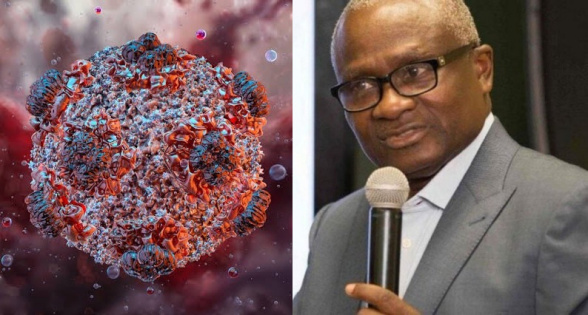



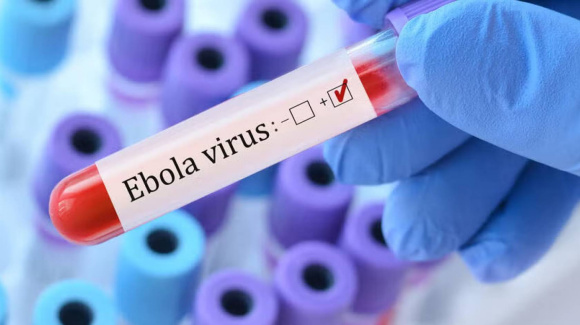
ABUJA, Nigeria — Concerns over the spread of Ebola virus disease in Nigeria have intensified following reports that a diplomat diagnosed with the deadly Bundibugyo strain developed multi-organ failure, prompting renewed attention to the country’s emergency response and disease-surveillance measures.
The development was disclosed on Wednesday, October 21, by officials of the Nigeria Centre for Disease Control and Prevention (NCDC) during an emergency incident management meeting in Abuja. The patient’s nationality was not disclosed at the time. The reports have heightened concern over Nigeria’s first confirmed Ebola case since the 2014 outbreak.
The Federal Government had confirmed the infection on October 20 after laboratory tests detected the virus in a woman who had recently travelled to Nigeria from Uganda. The World Health Organisation (WHO) subsequently confirmed the case as an imported infection involving the Bundibugyo strain, which is associated with an ongoing outbreak in the Democratic Republic of the Congo.
Olajumoke Babatunde, NCDC’s Director of Public Health Laboratory Services, said three rounds of molecular testing were conducted to identify the virus strain. Another official at the meeting disclosed that the patient was a diplomat whose condition had deteriorated into multi-organ failure, although her identity and nationality were withheld.
According to the WHO, the woman developed symptoms on October 7 and sought medical attention at a private health facility in Abuja on October 11. The infection was confirmed on October 20, after which authorities intensified efforts to identify individuals who might have been exposed to the virus and prevent further transmission.
The Federal Ministry of Health and Social Welfare disclosed that 44 contacts had initially been identified for monitoring. These include healthcare workers, patients, caregivers and travel contacts who may have come into contact with the infected woman. Public health teams are working to establish the extent of possible exposure and monitor those identified throughout the required surveillance period.
As part of the containment strategy, the NCDC has activated its incident management system to coordinate the national response. Infection prevention and control measures are also being strengthened at the private hospital where the patient received treatment, while the WHO and its partners are supporting Nigerian authorities with technical assistance, protective equipment and other essential supplies.
The Federal Government has urged public and private healthcare facilities across the country to remain vigilant, promptly isolate suspected cases, enforce strict infection prevention protocols and report unusual illnesses to public health authorities. The measures are intended to ensure early detection and prevent an isolated infection from developing into a wider outbreak.
The case has also raised questions about the challenges of detecting Ebola in its early stages, as its symptoms can resemble those of malaria and other common infections. Investigations are continuing to establish the woman’s full travel and exposure history and determine where she may have contracted the virus. Her travel through Uganda does not, by itself, establish the precise location of infection.
However, a subsequent report on October 22 quoted Health Minister Muhammad Ali Pate as saying the patient was stable and improving, creating uncertainty over her latest clinical condition following the earlier report of multi-organ failure. The conflicting accounts underscore the importance of obtaining an updated medical assessment from the responsible health authorities before drawing conclusions about her prognosis.
The Bundibugyo strain is a serious public-health threat, and the WHO says there is currently no approved vaccine or specific treatment for the disease caused by this virus. Nevertheless, rapid identification of cases, isolation, careful contact tracing and strict infection control remain central to containing transmission. For Nigeria, the immediate priorities are to monitor all identified contacts, strengthen preparedness across states and ensure that the public receives timely, accurate information as the response continues.
- Tinubu Flags Off $100m Southeast Gas Pipeline Project to Boost Industrial Growth
 President Bola Tinubu has flagged off a $100 million gas…
Read More “Tinubu Flags Off $100m Southeast Gas Pipeline Project to Boost Industrial Growth” »
- NCC Raises Alarm Over AI-Powered Cyberattacks, Warns of Threats to Telecoms, Banks and National Security
 The Nigerian Communications Commission (NCC) has warned that the growing…