





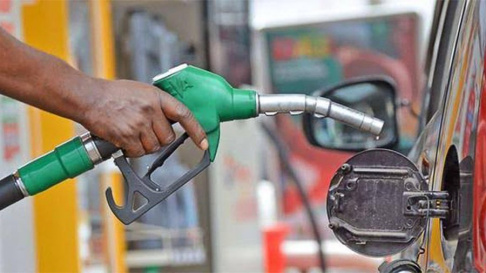
Petrol consumers in Nigeria could face fresh price pressure after international crude oil prices surged above $107 per barrel, raising concerns about higher fuel production and replacement costs in the country’s deregulated downstream petroleum market.
Brent crude, the global benchmark, jumped sharply on Thursday, settling at about $107.63 per barrel after gaining more than six per cent. The rally extended into Friday, with Brent briefly approaching $110 before easing to around $107.
The latest increase represents a significant movement from levels around $100 per barrel earlier in the week, reflecting mounting concerns about disruptions to global crude supplies as conflict and security risks escalate across the Middle East.
For Nigeria, the development could have direct implications for petrol pricing because the country’s downstream market now operates largely on market-based pricing. Rising international crude prices can increase the replacement and landing costs faced by refiners and petroleum marketers, although the effect on pump prices depends on several other factors.
Recent developments in Nigeria’s petroleum market already point to renewed pricing pressure. Industry data showed petrol landing costs rising to about ₦1,314.67 per litre during the first week of September, while marketers and depot operators have increasingly positioned themselves for petrol prices around ₦1,300 per litre amid higher international crude prices.
The impact of rising crude prices has also been evident in domestic refinery pricing. In August, Dangote Petroleum Refinery increased its petrol gantry price from ₦1,165 to ₦1,185 per litre after Brent crude climbed above $93 per barrel.
The latest international price surge is considerably larger than the August movement, meaning sustained crude prices above $100 could place additional pressure on domestic petrol pricing if the trend persists. However, a rise in crude prices does not automatically translate into an immediate or proportionate increase at Nigerian filling stations.
Other factors, including the naira-dollar exchange rate, refinery operating costs, transportation expenses, depot charges, petroleum product supply and competition among suppliers, can influence the final pump price. Consequently, the direction of petrol prices will depend on how long crude remains elevated and how the domestic supply chain responds.
Nigeria may also benefit from increased export earnings when international crude prices rise because the country remains a major oil producer. However, higher global crude prices can simultaneously increase domestic energy costs, creating a difficult balance between improved government oil revenues and the potential inflationary consequences of expensive petroleum products.
The current oil rally is being driven principally by fears over Middle Eastern supply disruptions. The Strait of Hormuz remains under severe pressure, while Houthi advances in Yemen have raised concerns about the security of the Bab el-Mandeb route and the movement of Saudi and other regional oil supplies.
With Brent crude remaining above $100 per barrel and market analysts warning of further volatility, Nigerian motorists and businesses are likely to watch domestic petrol prices closely. For now, no automatic new pump price should be assumed solely because crude has crossed $107, but if the international rally persists, the pressure for higher petrol prices in Nigeria is likely to intensify.
- Tragedy in Kogi: Police Corporal Allegedly Kills Female Colleague, Takes Own Life After Reported Relationship Crisis
 A tragic shooting incident involving two serving police officers has…
- Tottenham Stun Chelsea at Stamford Bridge as Palmer Sees Red and Maddison Suffers Fresh Injury Blow
 Tottenham Hotspur delivered a statement victory over London rivals Chelsea…