




... Nigerians Face Fresh Fuel Price Hike Risks
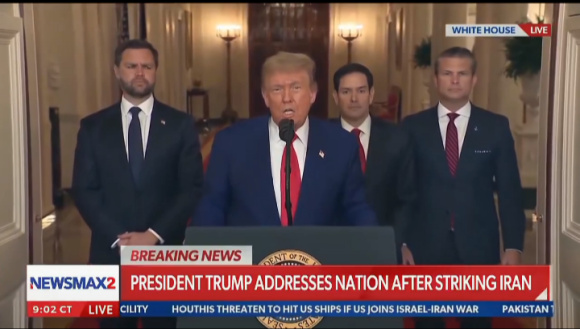
The United States has carried out limited military strikes on Iran’s Qeshm Island near the strategic Strait of Hormuz, raising fresh concerns about global oil supplies and the potential for another increase in petrol and diesel prices in Nigeria.
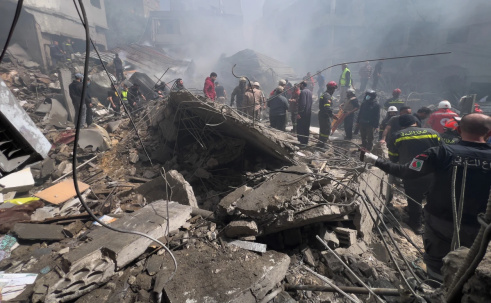
The strikes, reported on Tuesday, November 3, 2026, targeted Iranian military assets, including missile launchers, according to reports citing US officials. The operation was described by American officials as defensive, following attacks directed at US military assets in the region.
Iranian state media reported explosions on Qeshm Island late on Monday, while reports also indicated blasts in the coastal port city of Bandar Lengeh. The United States has not publicly provided a comprehensive account of the operation, and US Central Command had not immediately responded to media enquiries.
According to reports, the strikes followed an incident involving an Iranian surface-to-air missile fired towards a US aircraft near the Strait of Hormuz. American officials said the military action was intended to protect US forces and limit Iran’s ability to threaten commercial shipping in the strategically important waterway.
Qeshm Island occupies a significant position near the Strait of Hormuz, one of the world’s most important maritime routes for energy shipments. The passage connects the Persian Gulf to international markets, and disruptions to shipping through the strait can affect crude oil and petroleum product supplies, freight charges and global energy prices.
The latest military action comes amid continuing tensions between Washington and Tehran, even as diplomatic contacts aimed at ending the conflict have continued. Reports indicate that US forces have carried out other limited strikes in recent weeks, with officials seeking to prevent further attacks on military assets and commercial vessels without publicly announcing a return to full-scale combat operations.
The development has immediate implications for international oil markets. Reuters reported that Brent crude futures rose by 48 cents, or 0.5 per cent, to $105.25 per barrel in early Asian trading on Tuesday, while US West Texas Intermediate crude increased by 47 cents, or 0.5 per cent, to $96.93 per barrel. The movement followed a sharp decline in Brent prices during Monday’s trading session, highlighting the market’s sensitivity to changing expectations about the conflict.
For Nigeria, sustained increases in international crude oil prices could translate into higher domestic petrol and diesel costs, particularly if the conflict disrupts shipping, raises insurance premiums or increases the cost of importing refined petroleum products. Although Nigeria produces crude oil and has domestic refining capacity, local fuel prices remain exposed to international market movements, foreign-exchange costs, distribution expenses and the commercial pricing decisions of suppliers.
Higher diesel prices could also increase the operating costs of manufacturers, transport companies, logistics operators and small businesses that depend on generators and road haulage. If petrol prices rise, commercial transport operators may adjust fares, while distributors and retailers could pass higher delivery costs on to consumers. Such increases could add to the cost of food, manufactured goods and other essential commodities across Nigerian markets.
The extent of the impact will depend on whether the confrontation remains limited or develops into a wider regional conflict. A prolonged disruption of the Strait of Hormuz could place sustained upward pressure on global energy prices, whereas renewed diplomatic progress and uninterrupted shipping could help ease market concerns. Nigerian motorists, businesses and households therefore face the risk of further fuel-cost volatility as developments in the Gulf continue to shape international oil-market expectations.
- Kebbi Govt Accuses ADC, Malami of Politicising Banditry Ahead of 2027 Elections
 The Kebbi State Government has accused the African Democratic Congress…
Read More “Kebbi Govt Accuses ADC, Malami of Politicising Banditry Ahead of 2027 Elections” »
- UK Raises Permanent Residency Wait to 10 Years for Most Migrants, Nigerians Affected by New Settlement Rules
 The United Kingdom has announced a major overhaul of its…