

By Olatunde Rex Oyez | July 8, 2025
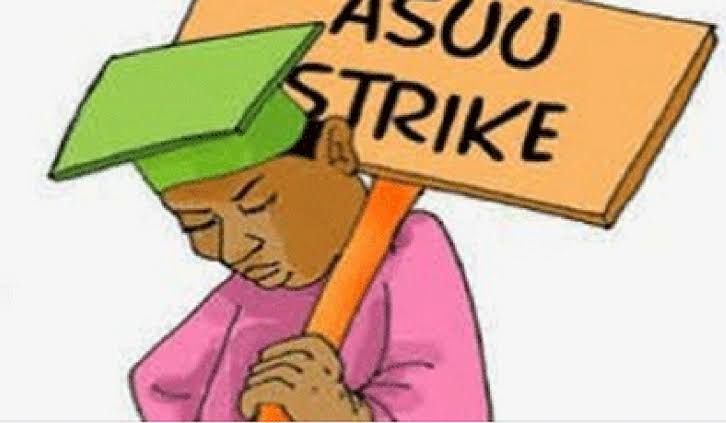
In a move that sent ripples through Nigeria’s higher education sector, the Academic Staff Union of Universities (ASUU) has once again downed tools—this time, over unpaid salaries and broken promises.
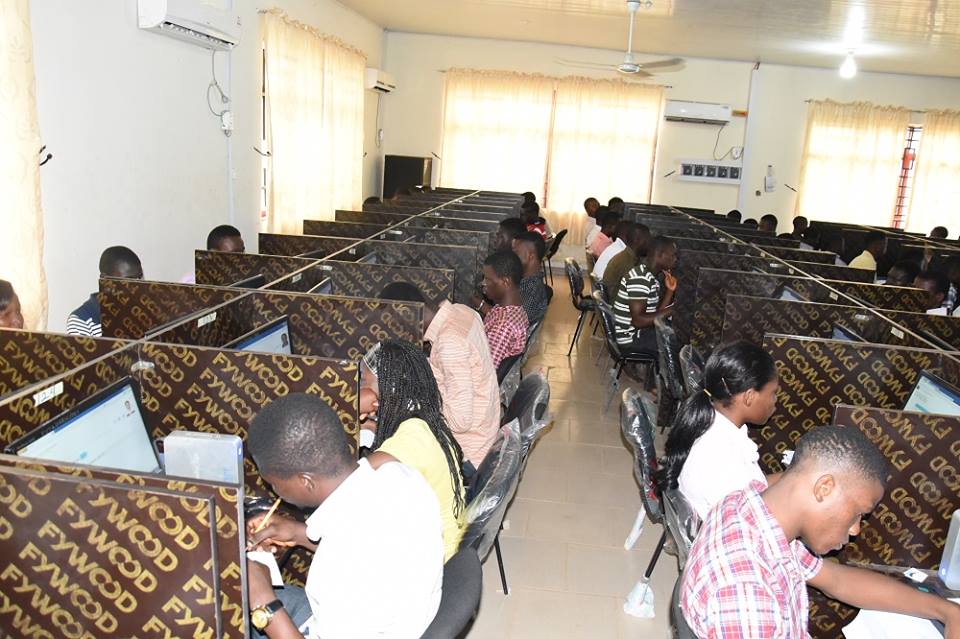
The scene across many Nigerian universities this week is eerily familiar: deserted lecture halls, confused students, and yet another strike banner fluttering in the wind. From UNIJOS to UNIABUJA, the silence on campus echoes louder than any protest.

What Triggered the Strike?
ASUU isn’t just flexing muscle. According to the union’s National Executive Council, the decision was activated by a breach of their longstanding “No Pay, No Work” principle. Lecturers, who reportedly were not paid their June salaries by July 3rd, say they are being punished for a payroll crisis they didn’t create.
The federal government’s shift from the controversial IPPIS platform to the alternative GIFMIS system has been anything but smooth. Union leaders argue that the Accountant General’s office has deliberately withheld salaries without explanation. “There’s no technical reason why our members shouldn’t be paid. This is sabotage, not system failure,” said Prof. Chris Piwuna, ASUU’s National Vice President.
- Bournemouth Humiliate Manchester United 3-0 at Old Trafford as Carrick Faces Mounting Pressure
 Bournemouth delivered another painful blow to Manchester United on Sunday,…
- Tragedy in Kogi: Police Corporal Allegedly Kills Female Colleague, Takes Own Life After Reported Relationship Crisis
 A tragic shooting incident involving two serving police officers has…
Unsettled Dues: The ₦10 Billion Elephant in the Room
Beyond salary delays, ASUU is also demanding the release of ₦10 billion in Earned Academic Allowances—money the government agreed to pay from a ₦50 billion settlement. Only ₦40 billion has been disbursed so far, leaving a bitter taste in the mouths of lecturers across the nation.
“How can you ask us to return to class on empty stomachs, while sitting on funds meant for our welfare?” a lecturer at the University of Benin told Rextun City Updates anonymously.
A Rare Peace, Now Shattered
To be fair, this isn’t just another tantrum. Nigerian universities had just completed nearly two uninterrupted academic years (May 2023 to April 2025)—an uncommon achievement in ASUU’s turbulent history.
That fragile peace seems to have shattered. The hope that President Tinubu’s administration could usher in a new era of stability in the education sector now hangs in the balance.
What This Means for Students
The biggest losers? Nigerian students.
With semester exams postponed indefinitely in some universities, many students are already packing their bags to head home. Others are scrambling for side hustles or online courses to avoid stagnation.
“It’s frustrating. We were hoping to graduate this year. Now everything is uncertain,” said Amaka Eze, a final-year student at the University of Lagos.
Where Do We Go From Here?
The federal government has yet to release an official response, but negotiations are expected to begin this week. However, ASUU says it will not call off the strike until every member has received full payment and the outstanding allowances are addressed.
For now, students and lecturers alike are bracing for a long, familiar wait.
Stay tuned to Rextun City Updates for real-time developments on the ASUU strike and what it means for university communities nationwide.