






The Joint Admissions and Matriculation Board (JAMB) has announced the release of the first batch of results for the 2026 Unified Tertiary Matriculation Examination (UTME), even as it confirmed the arrest of two candidates and a parent over alleged involvement in examination malpractice powered by artificial intelligence.
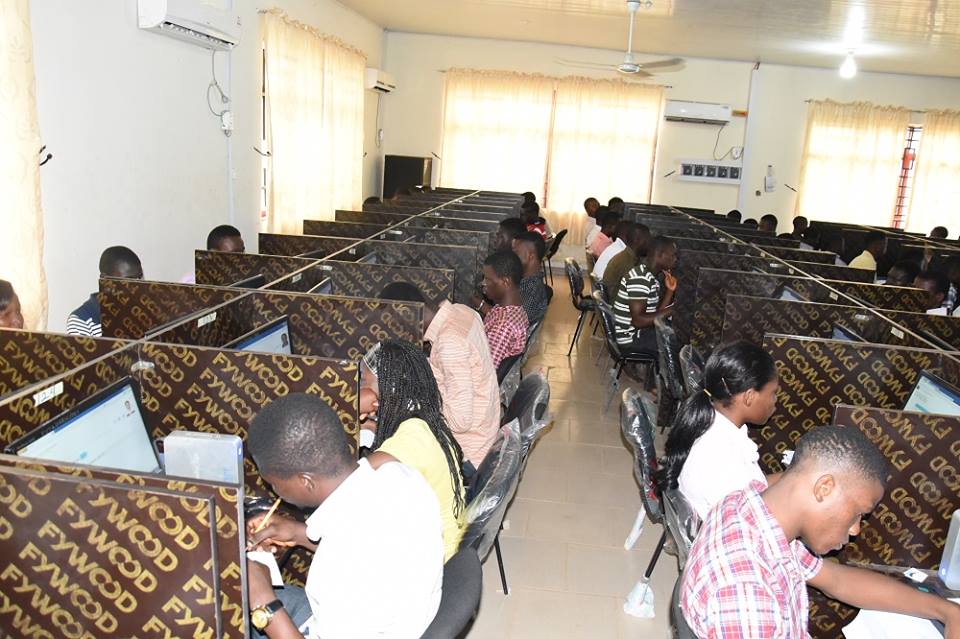
In a statement accompanying the release, the Board disclosed that the UTME, which commenced on Thursday, is being conducted across approximately 966 accredited Computer-Based Test (CBT) centres nationwide. An estimated 2.2 million candidates registered to sit for the examination this year, making it one of the largest coordinated entrance examinations in Nigeria.
However, the exercise has already been marred by a fresh dimension of malpractice, with JAMB revealing that security agencies apprehended two candidates alongside a parent for attempting to manipulate examination outcomes using AI-enabled tools. The Board described the incident as a “sophisticated fraud attempt,” underscoring growing concerns about the misuse of emerging technologies in high-stakes public examinations.
While specific operational details of the alleged fraud were not fully disclosed, JAMB emphasized that its monitoring systems, combined with inter-agency collaboration, were instrumental in detecting and disrupting the scheme. The suspects are currently in custody, with investigations ongoing to determine the full extent of the breach and any possible accomplices.
JAMB reiterated its zero-tolerance stance on examination malpractice, warning candidates and parents against engaging in any form of misconduct. The Board stressed that it has upgraded its surveillance and verification frameworks to counter evolving threats, including digital and AI-assisted cheating methods.
- Tinubu Flags Off $100m Southeast Gas Pipeline Project to Boost Industrial Growth
 President Bola Tinubu has flagged off a $100 million gas…
Read More “Tinubu Flags Off $100m Southeast Gas Pipeline Project to Boost Industrial Growth” »
- NCC Raises Alarm Over AI-Powered Cyberattacks, Warns of Threats to Telecoms, Banks and National Security
 The Nigerian Communications Commission (NCC) has warned that the growing…
Candidates who participated in the examination have been advised to check their results through the official JAMB result-checking channels, as the Board continues to process and release results in batches.
The development highlights both the scale of the UTME and the increasing complexity of safeguarding examination integrity in a technology-driven era. JAMB maintained that despite isolated incidents, the overall conduct of the examination remains credible and under strict supervision.