








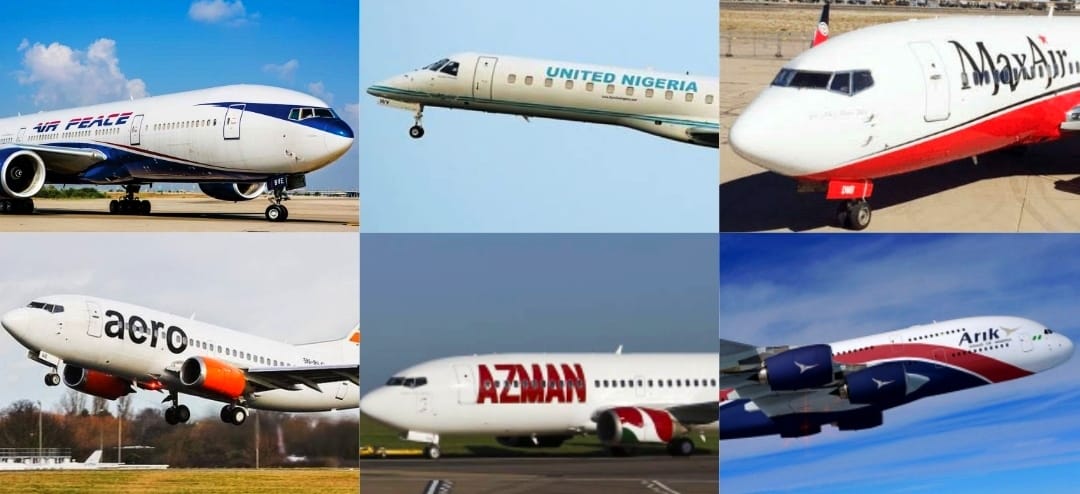
Air travellers in Nigeria may soon face higher ticket prices as the cost of aviation fuel, also known as Jet A1, has surged sharply to about ₦1,600 per litre, raising concerns across the aviation industry.
Industry data indicate that the price of aviation fuel recently jumped from around ₦940–₦980 per litre to between ₦1,500 and ₦1,600, representing a steep increase of more than 50 percent within a short period. The spike has been linked to rising global oil prices and geopolitical tensions affecting energy markets.
Aviation stakeholders warn that the development could trigger a 25 percent increase in domestic airfares as airlines struggle to absorb the higher operating costs. With current one-way domestic tickets averaging about ₦150,000, fares could rise to between ₦185,000 and ₦200,000 if the trend continues.
Experts note that aviation fuel remains the largest single expense for airlines, typically accounting for 30 to 35 percent of operational costs. However, with the recent surge in Jet A1 prices, fuel could now account for as much as 40 to 45 percent of airlines’ total operating expenses, putting significant pressure on carriers.
Fuel prices also vary across airports nationwide. Reports indicate that Jet A1 currently sells for around ₦1,500 per litre in Lagos, about ₦1,600 in Abuja, and over ₦1,700 in some other airports, depending on suppliers and logistics costs.
Industry analysts say the rising fuel cost is already affecting airline operations. For instance, a Boeing 737 operating the Lagos–Abuja route requires roughly 3,500 to 4,000 litres of fuel, meaning airlines may spend around ₦6 million on fuel alone for a flight lasting less than one hour at current prices.
- Nigeria’s First Ebola Patient Identified as Wife of Swiss Diplomat as Authorities Probe Source of Infection
 Nigeria’s latest Ebola case has been traced to a 42-year-old…
- MURIC Seeks Police Probe into Alleged Killing of Man Inside Oyo Mosque
 The Muslim Rights Concern (MURIC) has petitioned the police over…
Read More “MURIC Seeks Police Probe into Alleged Killing of Man Inside Oyo Mosque” »
Stakeholders warn that if the upward trend persists, airlines may have little choice but to pass the additional cost to passengers, potentially making air travel significantly more expensive for Nigerians in the coming weeks.


