




The Nigeria Police Force has clarified the reason behind the arrest of activist and politician Omoyele Sowore, stating that the action was taken to ensure fairness in the prosecution of those involved in Monday’s protest in Abuja. The Force Public Relations Officer, Benjamin Hundeyin, said Sowore’s detention followed allegations that he led protesters into a restricted area in the Federal Capital Territory, contravening existing orders aimed at maintaining public peace.
According to Hundeyin, the police acted within the bounds of the law to prevent selective justice. He explained that while some protesters were already facing prosecution, leaving out the individual alleged to have led the demonstration would amount to bias and unequal treatment. The spokesperson maintained that the arrest was not politically motivated but purely a legal measure to ensure that all involved in the protest are treated equally.
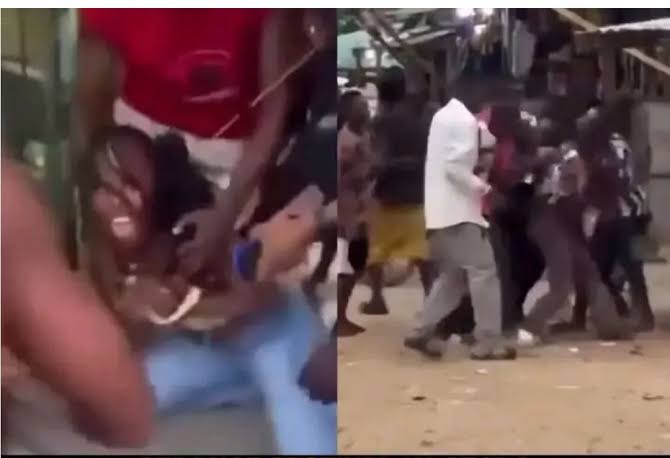
The protest, held earlier in the week, called for the release of Nnamdi Kanu, the detained leader of the Indigenous People of Biafra (IPOB). Demonstrators reportedly gathered around the Federal High Court in Abuja, demanding that the Federal Government obey court orders regarding Kanu’s case. The situation became tense when some protesters moved into restricted areas near the court premises, prompting security operatives to intervene and make arrests.
Benjamin Hundeyin, in his statement to journalists, emphasised that Sowore was not targeted but apprehended based on credible evidence linking him to the protest’s organisation and execution. He said, “If we go ahead to charge some people to court and leave the person who led them into that restricted area, that would not be fair. The police act in the interest of justice, not personal vendetta.”
- Nigeria Evacuates First Ebola Patient to Switzerland as Health Minister Confirms Medical Flight
 ABUJA, Nigeria — Nigeria’s first confirmed Ebola patient in more…
- EFCC Raids Four Illegal Lithium Plants in Ogun, Arrests 14 Chinese Nationals and Nigerian
 The Economic and Financial Crimes Commission (EFCC) has arrested 15…
The police spokesperson further assured the public that Sowore would not be detained beyond the period permitted by law. He noted that once investigations are concluded and charges are prepared, the activist will be arraigned before a competent court of jurisdiction. Hundeyin also appealed for calm among Sowore’s supporters, urging them to allow due process to take its course.
Sowore’s arrest has attracted widespread attention across Nigeria’s civic and political space. The human rights activist, who is also the publisher of Sahara Reporters and a former presidential candidate, has been a recurring voice in national activism and governance reform. His repeated clashes with law enforcement agencies have made him a prominent symbol in discussions about freedom of expression and civil rights in Nigeria.
Observers have noted that the development once again highlights the delicate balance between citizens’ rights to peaceful protest and the state’s responsibility to maintain public order. Legal analysts have cautioned that while the government has a duty to enforce laws, it must also ensure that such enforcement does not infringe on constitutional freedoms guaranteed under democratic principles.
Civil society organisations have begun to react to the arrest, describing it as another test of Nigeria’s commitment to human rights and due process. Some rights groups have called for Sowore’s immediate release, insisting that his participation in a peaceful protest does not justify detention. Others have urged the police to publish concrete evidence of the alleged offence to dispel claims of political persecution.
The police, however, maintain that their actions were lawful and consistent with the need to preserve order in sensitive areas of the capital. Hundeyin reiterated that the Force remains impartial and will not be intimidated by public sentiment or political pressure. He stressed that both prominent and ordinary citizens are equal before the law and must be held accountable for any breach.
As of the time of this report, Sowore remains in police custody while investigations continue. The outcome of the case is expected to draw significant public scrutiny, given the activist’s prominence and the political undertones surrounding his advocacy. The coming days will determine whether the arrest leads to formal charges or his release, but the incident has once again reignited debate over freedom, fairness, and justice in Nigeria’s democratic space.