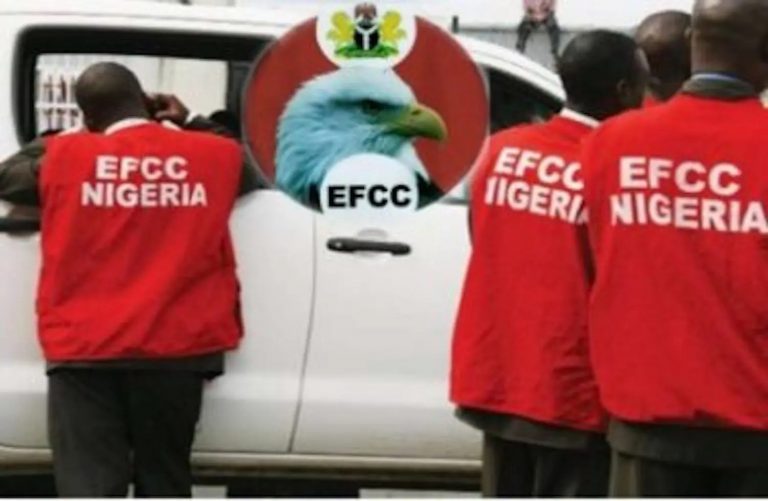




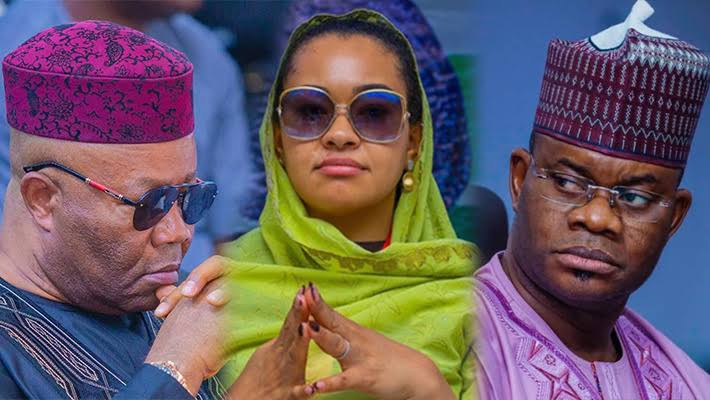

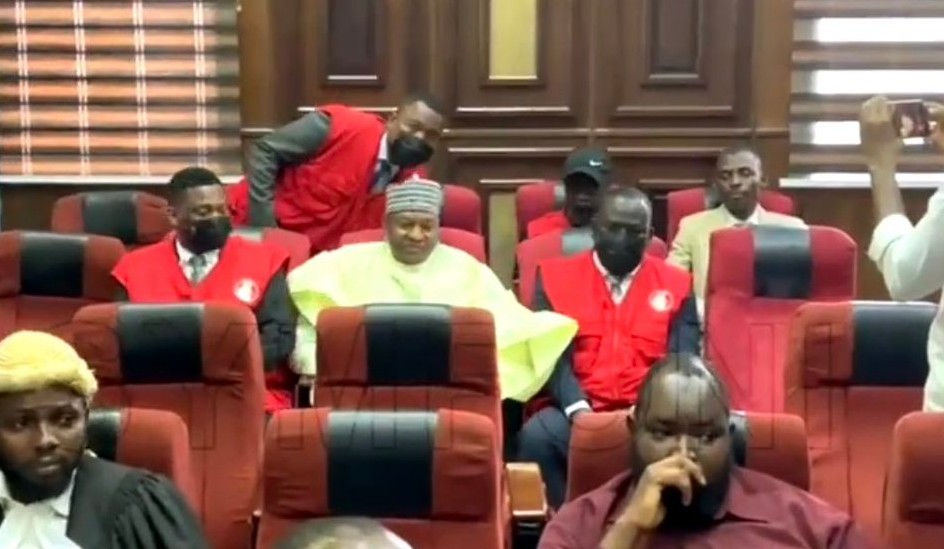
A Federal High Court in Abuja has ordered the final forfeiture of 48 properties linked to former Attorney-General of the Federation and Minister of Justice, Abubakar Malami, in a major victory for the Economic and Financial Crimes Commission (EFCC) in its asset recovery efforts.
The ruling, delivered by Justice Joyce Abdulmalik, granted the EFCC’s application for the permanent forfeiture of the assets to the Federal Government after the court held that the respondents failed to satisfactorily establish that the properties were acquired through legitimate means.
The forfeited assets form part of a broader investigation into properties allegedly traced to Malami, members of his family and associates. The anti-graft agency had initially sought the forfeiture of 57 properties valued at about ₦212.8 billion, arguing that they were reasonably suspected to be proceeds of unlawful activities. Following the court’s review of the evidence and objections filed by the respondents, final forfeiture was granted in respect of 48 of the properties.
During the proceedings, EFCC counsel, Jibrin Okutepa (SAN), maintained that the commission had presented extensive documentary evidence in support of its application and that the respondents failed to provide convincing proof of lawful ownership. He urged the court to make the earlier interim forfeiture order permanent.
Malami’s legal team opposed the application, insisting that the properties were lawfully acquired and were not proceeds of crime. The defence also argued that several of the assets had been obtained before Malami assumed office as Attorney-General of the Federation and urged the court to dismiss the EFCC’s application.
The forfeiture proceedings are separate from the criminal case in which Malami, his wife and son are facing allegations of money laundering involving billions of naira. The defendants have pleaded not guilty to the charges, which remain before the Federal High Court.
The latest judgment represents one of the most significant asset forfeiture decisions involving a former senior public official in recent years and underscores the EFCC’s ongoing campaign to recover assets it believes were acquired through illicit means. The final forfeiture transfers ownership of the affected properties to the Federal Government, subject to any further legal steps that may arise from the case.
- Nigeria Evacuates First Ebola Patient to Switzerland as Health Minister Confirms Medical Flight
 ABUJA, Nigeria — Nigeria’s first confirmed Ebola patient in more…
- EFCC Raids Four Illegal Lithium Plants in Ogun, Arrests 14 Chinese Nationals and Nigerian
 The Economic and Financial Crimes Commission (EFCC) has arrested 15…