





Political uncertainty heightened in Rivers State on Thursday as the Rivers State House of Assembly failed to resume its scheduled plenary sitting, days after issuing an impeachment notice against Governor Siminalayi Fubara and his deputy, Professor Ngozi Odu. The development has further deepened the ongoing power struggle within the state’s political structure.
The Assembly had adjourned on January 8, 2026, after lawmakers, led by Speaker Martins Amaewhule, formally initiated impeachment proceedings against the governor. The notice cited allegations of gross misconduct and constitutional breaches, including issues bordering on budgetary implementation and executive decisions taken without legislative approval.
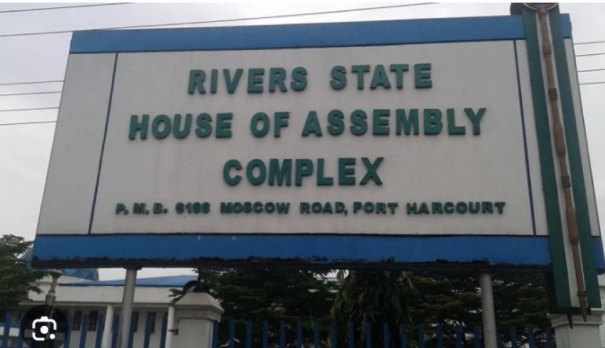
Following the adjournment, the lawmakers fixed January 15, 2026, for the continuation of plenary and further legislative action on the impeachment process. However, as of the time scheduled for sitting, the Assembly complex remained inactive, with no lawmakers convening for plenary and no visible legislative proceedings taking place.
Journalists who monitored activities at the temporary venue of the House, the conference hall at the Assembly quarters along Aba Road in Port Harcourt, observed a calm atmosphere with no indication that lawmakers were preparing to sit. Security presence was minimal, and legislative staff were largely absent from the chambers.
No official explanation was issued by the Assembly leadership for the failure to resume plenary, and no fresh date for reconvening was announced. Efforts to obtain clarification from the House Committee on Information and other principal officers of the Assembly proved unsuccessful as calls and messages were not returned.
The stalled sitting has fueled speculation of internal disagreements among lawmakers over the impeachment process. Reports indicate that cracks may have emerged within the Assembly, with some members reconsidering their earlier positions amid rising political pressure and appeals for dialogue.
- Tragedy in Kogi: Police Corporal Allegedly Kills Female Colleague, Takes Own Life After Reported Relationship Crisis
 A tragic shooting incident involving two serving police officers has…
- Tottenham Stun Chelsea at Stamford Bridge as Palmer Sees Red and Maddison Suffers Fresh Injury Blow
 Tottenham Hotspur delivered a statement victory over London rivals Chelsea…
In recent days, at least four lawmakers who were initially associated with the impeachment notice reportedly withdrew their support, citing the need for peace, stability and reconciliation in the state. Their decision has raised questions about whether the Assembly can still muster the constitutionally required two-thirds majority to proceed with the impeachment.
The failure to resume plenary also reflects the broader political tension in Rivers State, which has been marked by prolonged rivalry between Governor Fubara and influential political forces aligned with his predecessor. Previous attempts at reconciliation have offered temporary relief but have not fully resolved the crisis.
Political analysts warn that the continued uncertainty could distract the government from governance and policy implementation, while investors and residents remain wary of the potential consequences of a prolonged legislative standoff.
As the situation unfolds, attention remains focused on whether the Rivers State House of Assembly will reconvene to advance the impeachment process or whether behind-the-scenes negotiations will prevail, potentially de-escalating one of the most intense political crises the state has faced in recent years.