

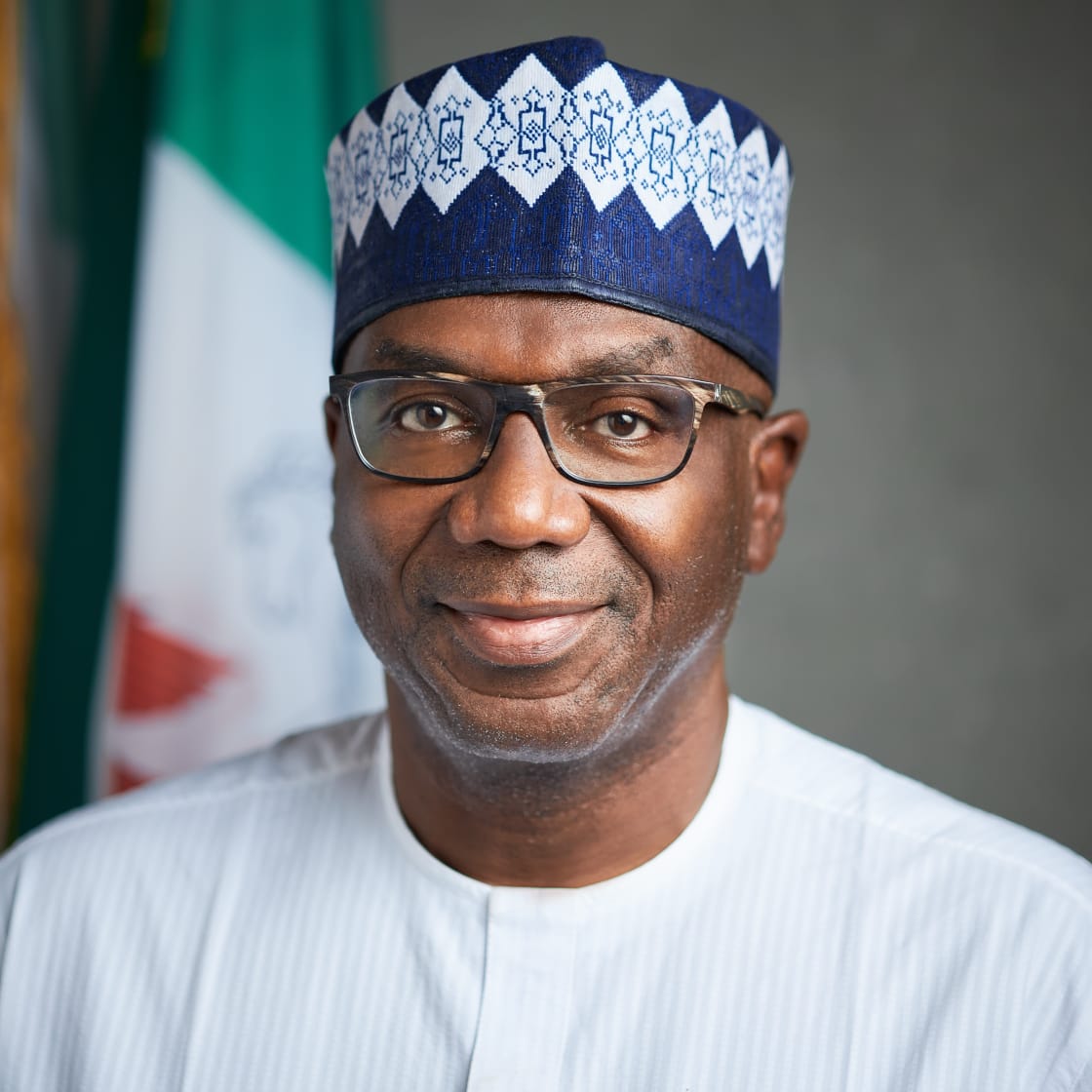
By Professor Wale Sulaiman, CON
November 3, 2026
Tonight, as I watch history unfold in the United States of America, my thoughts travel across the Atlantic to my beloved Nigeria—a nation of extraordinary promise, remarkable talent, and enormous potential.
The American elections of November 3, 2026, have brought historic developments into focus. In Georgia, Keisha Lance Bottoms has been projected to win the governorship, a groundbreaking milestone for Black women in American political leadership. In Texas, Gina Hinojosa has mounted a remarkable challenge to incumbent Governor Greg Abbott, illustrating how voters can question longstanding political expectations. At the time of writing, I am mindful that election-night projections and final certified results are not the same.
What fascinates me is not which party wins, but the capacity of citizens to challenge established political arrangements through the ballot. Political power should never be the permanent possession of an individual, a party, or a privileged group. In a functioning democracy, the people must retain the power to determine who governs them.
Having lived and worked in the United States for much of my professional career while remaining deeply connected to Nigeria, I have observed two nations at different stages of their democratic journeys. America has built institutions over more than two centuries, though not without painful struggles for civil rights, racial equality, and voting access. Nigeria, since its return to civilian rule in 1999, continues the vital work of strengthening its democracy.
Tonight’s elections also bring to mind a deeply personal experience. Earlier this year, in 2026, I contested for the governorship of Kwara State under the All Progressives Congress (APC). I entered politics not in search of another title or personal advancement, but because I believed I could make a difference.
As a neurosurgeon, educator, and humanitarian, I have devoted much of my life to serving others, restoring hope, and creating opportunities. I believed that integrity, compassion, excellence, equity, justice, and service could also strengthen public leadership.
Yet during the gubernatorial nomination process in which I participated, results were announced before voting had even commenced. From what I personally witnessed, there was no meaningful voting process, and the outcome appeared predetermined. I found that deeply disappointing—not merely for myself, but for what it suggested about citizens’ ability to choose their leaders.
What becomes of democracy when an outcome appears settled before people have the opportunity to express their will?
Watching American electoral competition unfold reminds me that democracy is more than political parties, ballot boxes, and periodic elections. It is a relationship of accountability between the governed and those entrusted with power. It depends on credible processes, institutions that can be questioned, and respect for the rights of those who disagree.
America’s democracy is not perfect. Political polarization and disputes over electoral fairness are real. Nor should we overlook Nigeria’s democratic achievements, including successive civilian administrations and peaceful transfers of power. But we can learn from systems that provide meaningful avenues for competition, scrutiny, and accountability without diminishing our pride in our own country.
The lesson transcends Democrats and Republicans, the APC and the PDP. Democracy must never become the exclusive possession of those who already hold power. Its legitimacy rests on the people’s ability to choose leaders through credible, transparent, and competitive processes—including within political parties.
Throughout my life, I have been guided by a simple conviction: I want to live in a society where the child of a nobody can become somebody.
I dream of a Nigeria where the circumstances of birth do not determine the limits of possibility; where talent, character, competence, and commitment to service matter more than wealth, political connections, or inherited privilege; and where public office is open to those who genuinely wish to serve.
Nigeria possesses extraordinary human capital. Our people distinguish themselves around the world in medicine, science, technology, education, business, and countless other fields. Imagine what we could achieve if our political institutions consistently reflected that same excellence, creativity, and determination.
I am especially encouraged by the energy and aspirations of younger Nigerians. Their future depends not only on individual talent, but on institutions that inspire confidence, protect fundamental rights, encourage participation, and ensure that leaders remain accountable.
Democracy also extends beyond election day. It requires civic education, community engagement, constructive dialogue, respect for opposing views, peaceful participation, and commitment to the rule of law. Our commitment to fairness must not depend on whether our preferred candidate wins or loses. The true test of democracy is not simply how winners are celebrated, but how the rights of those who lose are protected.
My experience in politics has not diminished my love for Nigeria. It has strengthened my conviction that progress requires perseverance, principled leadership, and institutions stronger than individuals. Medicine has taught me that progress often begins when we refuse to accept that the present condition must become the permanent condition. I bring that same conviction to my country.
We can acknowledge our shortcomings without losing national pride. We can learn from more established democracies without surrendering our identity. We can disagree politically without becoming enemies. And we can build a culture in which integrity, fairness, competence, accountability, and service are ordinary expectations of leadership.
I still believe in the Nigeria of our dreams: a Nigeria where opportunity is not determined by ancestry, where leadership is earned through service and the confidence of the people, where institutions are stronger than individuals, and where the child of a nobody can truly become somebody.
Democracy is not a gift bestowed upon the people by those in power. It is a responsibility entrusted to all of us.
For Nigeria, the journey continues. And I firmly believe that our greatest democratic achievements can still lie ahead.
Professor Wale Sulaiman, CON
Neurosurgeon | Educator | Humanitarian | Former Former Gubernatorial Aspirant, Kwara State
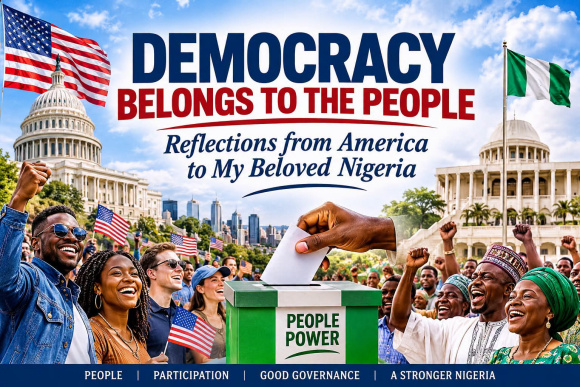
- DEMOCRACY BELONGS TO THE PEOPLEReflections from America to My Beloved Nigeria
 By Professor Wale Sulaiman, CONNovember 3, 2026 Tonight, as I…
Read More “DEMOCRACY BELONGS TO THE PEOPLEReflections from America to My Beloved Nigeria” »
- IGP Disu Warns Political Thugs, Vote Buyers Ahead of 2027 Elections, Vows Arrest and Prosecution
 Nigeria’s Inspector-General of Police, IGP Olatunji Rilwan Disu, has warned…