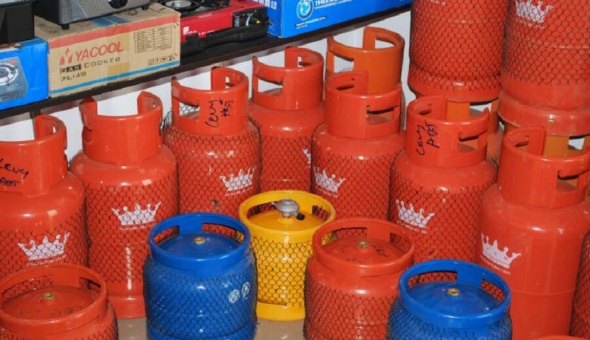






Despite an emergency intervention by the Federal Government aimed at stabilising Nigeria’s liquefied petroleum gas (LPG) market, retail prices of cooking gas have yet to return to pre-crisis levels, leaving many households still grappling with high energy costs.
The intervention followed an emergency stakeholders’ meeting convened in Abuja about two weeks ago by the Minister of State for Petroleum Resources (Gas), Senator Ekperikpe Ekpo, after a sharp spike in LPG prices triggered widespread concern among consumers and industry operators. The meeting brought together regulators, marketers, depot owners and security agencies to address supply disruptions, product diversion, hoarding and speculative practices blamed for the soaring prices.
According to the National President of the Nigerian Association of Liquefied Petroleum Gas Marketers (NALPGAM), Edu Inyang, the government’s actions have succeeded in restoring market stability and improving product availability across the country. However, he noted that the gains have not yet translated into affordable prices for consumers.
Current retail prices for cooking gas still range between ₦1,300 and ₦1,650 per kilogramme, depending on location. Before the market disruption that began in May, LPG sold for below ₦1,000 per kilogramme, while prices peaked at as much as ₦2,500 per kilogramme in some parts of the country during the height of the crisis.
Inyang explained that although panic buying has subsided and supply has improved significantly, several cost factors continue to keep retail prices elevated. These include depot pricing, transportation costs and the time required for lower wholesale prices to filter through the distribution chain.
Industry data indicate that national LPG supply has strengthened considerably since the government’s intervention. Average daily supply reportedly increased from about 4,262 metric tonnes in May to more than 5,000 metric tonnes in June, while available national stock rose from roughly 11 days of supply to 22 days, easing fears of prolonged shortages.
There are also early signs that depot prices are beginning to soften. Some major suppliers have reduced wholesale prices, a move analysts believe could eventually lead to lower retail prices if the downward trend is sustained across the supply chain.
Nevertheless, many Nigerians continue to face financial pressure as cooking gas remains significantly more expensive than it was before the recent market disruption. Industry stakeholders say sustained regulatory oversight, improved domestic supply and continued competition among suppliers will be critical to restoring affordable LPG prices and supporting the Federal Government’s clean cooking and “Decade of Gas” objectives.
- Tottenham Stun Chelsea at Stamford Bridge as Palmer Sees Red and Maddison Suffers Fresh Injury Blow
 Tottenham Hotspur delivered a statement victory over London rivals Chelsea…
- AFCOM-HS: New Military Medical College Listed on JAMB Portal for 2026/2027 Admission
 The Armed Forces College of Medicine and Health Sciences (AFCOM-HS),…
Read More “AFCOM-HS: New Military Medical College Listed on JAMB Portal for 2026/2027 Admission” »