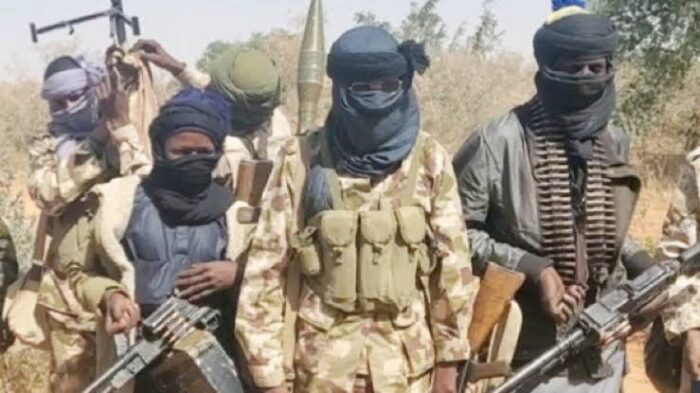




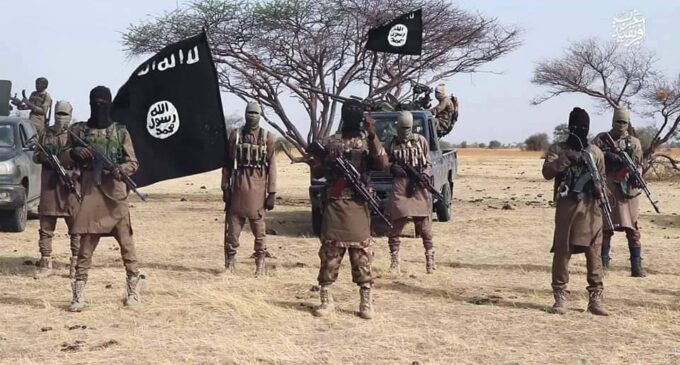
The Islamic State West Africa Province (ISWAP) has claimed responsibility for a series of deadly attacks targeting military formations in Nigeria and neighbouring Niger, releasing a viral video purportedly showing the assaults and their aftermath.
According to reports, the extremist group said the attacks were carried out against security forces across multiple locations, as part of its ongoing insurgency in the Lake Chad region.
The video, which has circulated widely on social media, allegedly captures coordinated strikes on troop positions, including ambushes and raids on military formations. While the exact dates and locations of the incidents in the footage were not independently verified, the claims align with a recent pattern of intensified assaults by ISWAP on military targets in Nigeria’s North-East.
Security analysts note that ISWAP has increasingly relied on propaganda videos to demonstrate operational strength, boost recruitment, and project dominance in contested territories. The group, a breakaway faction of Boko Haram aligned with the Islamic State, has maintained a sustained campaign against military bases and civilian communities since its emergence.
Recent months have seen a spike in such attacks. In March 2026 alone, ISWAP fighters were linked to coordinated offensives on multiple Nigerian Army bases in Borno State, resulting in casualties among troops and temporary overrunning of some positions.
Broader reporting also indicates that these raids are often aimed at looting weapons and military equipment to strengthen the group’s arsenal, while simultaneously undermining state control in the region.
- Bournemouth Humiliate Manchester United 3-0 at Old Trafford as Carrick Faces Mounting Pressure
 Bournemouth delivered another painful blow to Manchester United on Sunday,…
- Tragedy in Kogi: Police Corporal Allegedly Kills Female Colleague, Takes Own Life After Reported Relationship Crisis
 A tragic shooting incident involving two serving police officers has…
Nigerian military authorities have yet to issue a detailed response specifically addressing the latest video claims. However, the armed forces have consistently maintained that several ISWAP attacks in recent weeks were repelled, with significant losses inflicted on the insurgents.
The emergence of the video underscores both the persistence of the insurgency and the growing information warfare dimension of the conflict, where militant groups use digital media to shape narratives, amplify perceived victories, and challenge official accounts.
The security situation in Nigeria’s North-East and the wider Lake Chad basin remains volatile, with ISWAP and other jihadist factions continuing to stage attacks despite ongoing counterterrorism operations by regional forces.