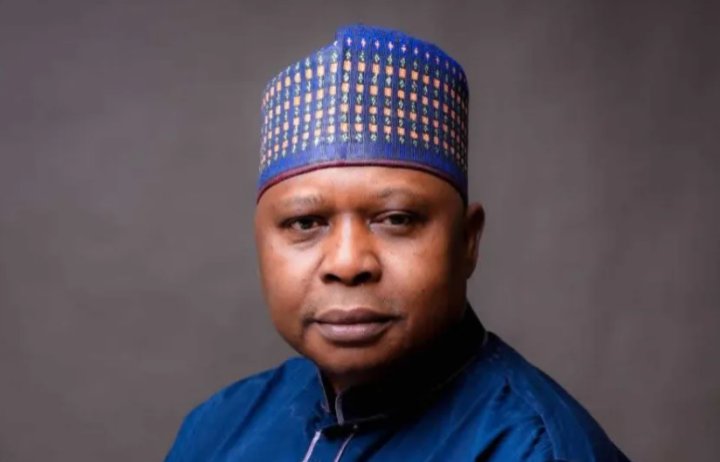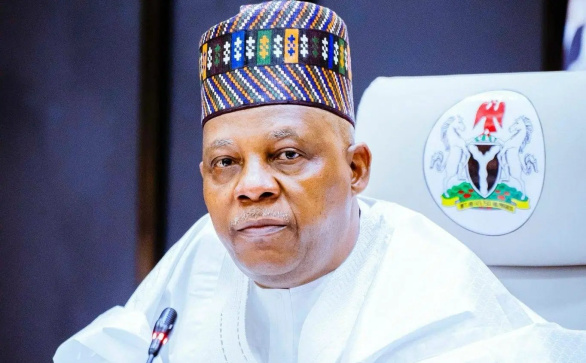




Following recent accusations and rebuttals between the Nigerian Upstream Petroleum Regulatory Commission( NUPRC) and management of the Dangote Refinery, there are indications that the Refinery will not commence the domestic supply of petrol as earlier scheduled in mid-August, 2024.
Last month, the President of Dangote Group, Aliko Dangote announced to the hopeful relief of Nigerians, 10-12 August 2024 as the proposed kickoff date for the commencement of petrol supply.
Dangote Refinery had earlier shifted the petrol supply date from July to August.
According to a Daily Post report, although there is no official statement on the reason for the delay, the publication quoted a source as saying that the latest delay was not unconnected to the crude supply crisis the 650,000 barrels per day refinery is battling.
“The commencement of fuel will come this August, however, the crude supply crisis facing the company has made things difficult” the publication further quoted an anonymous source.
- Tottenham Stun Chelsea at Stamford Bridge as Palmer Sees Red and Maddison Suffers Fresh Injury Blow
 Tottenham Hotspur delivered a statement victory over London rivals Chelsea…
- AFCOM-HS: New Military Medical College Listed on JAMB Portal for 2026/2027 Admission
 The Armed Forces College of Medicine and Health Sciences (AFCOM-HS),…
Read More “AFCOM-HS: New Military Medical College Listed on JAMB Portal for 2026/2027 Admission” »
This comes as Dangote Group and the Nigerian Upstream Petroleum Regulatory Commission recently engaged in a war of words over 26 million barrels supply of Crude cargoes.
NUPRC in response to Dangote’s call for implementation of Domestic Crude Obligation as enshrined by the Petroleum Industry Act, said it had facilitated 26 million barrels of crude cargoes for Dangote Refinery from January to June 2024.
However, Dangote Group denied receiving the 26 million barrels.
This is as the company further reiterated its stance that NUPRC and International Oil Companies in Nigeria are frustrating its commencement of fuel production.
This comes despite President Bola Ahmed Tinubu’s intervention directing the sale of crude oil to Dangote Refinery and other local refineries in Naira.
Reacting to the development, the Centre for Promotion of Private Enterprise, CPPE, in a statement by its Director, Muda Yusuf on Sunday decried incidents of regulatory irritations and distractions inflicted on Nigerian manufacturers.
CPPE appealed to regulatory agencies in Nigeria to exercise more discretion in carrying out their responsibilities.