





A northern youth group, the Arewa Youth Assembly, has rejected the newly enacted tax reform laws signed by President Bola Ahmed Tinubu, describing the process as “governance by ambush” and raising concerns over transparency and democratic procedure.
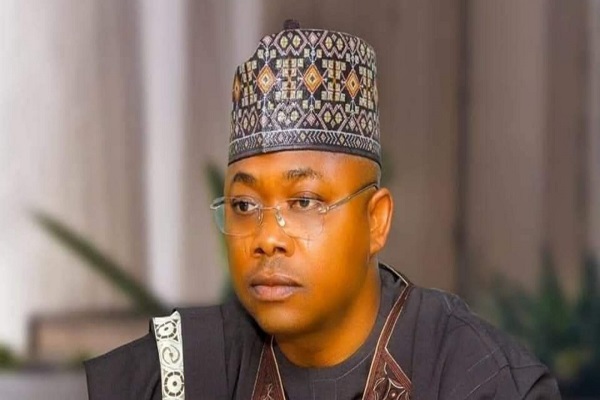
The group’s position was made public in a statement issued on Sunday in Kaduna by the Speaker of the Assembly, Mohammed Salihu-Danlami, who faulted both the timing and substance of the tax reforms.
According to the Assembly, the version of the tax laws gazetted and released to the public allegedly differs from what was debated and approved by the National Assembly, a development it described as troubling and unacceptable.
The youth group warned that the alleged discrepancies between the lawmakers’ approved bills and the final published versions could undermine public trust in democratic institutions if left unaddressed.
- Bournemouth Humiliate Manchester United 3-0 at Old Trafford as Carrick Faces Mounting Pressure
 Bournemouth delivered another painful blow to Manchester United on Sunday,…
- Tragedy in Kogi: Police Corporal Allegedly Kills Female Colleague, Takes Own Life After Reported Relationship Crisis
 A tragic shooting incident involving two serving police officers has…
Salihu-Danlami argued that any divergence between legislative approval and the final legal text amounts to a serious breach of democratic norms, insisting that Nigerians deserve clarity and accountability in the lawmaking process.
“If the law presented to the public is not the same law debated and passed by elected representatives, then democracy itself is being subverted,” the statement said, stressing that legislation should reflect the collective will of the people rather than unilateral alterations.
The Assembly further emphasized that laws passed by parliament are public instruments, not private documents, and must therefore be subjected to open scrutiny and faithful implementation.
It cautioned that failure to resolve the controversy surrounding the tax reform laws could have far-reaching political and social consequences, particularly at a time of economic pressure and widespread public sensitivity to fiscal policies.
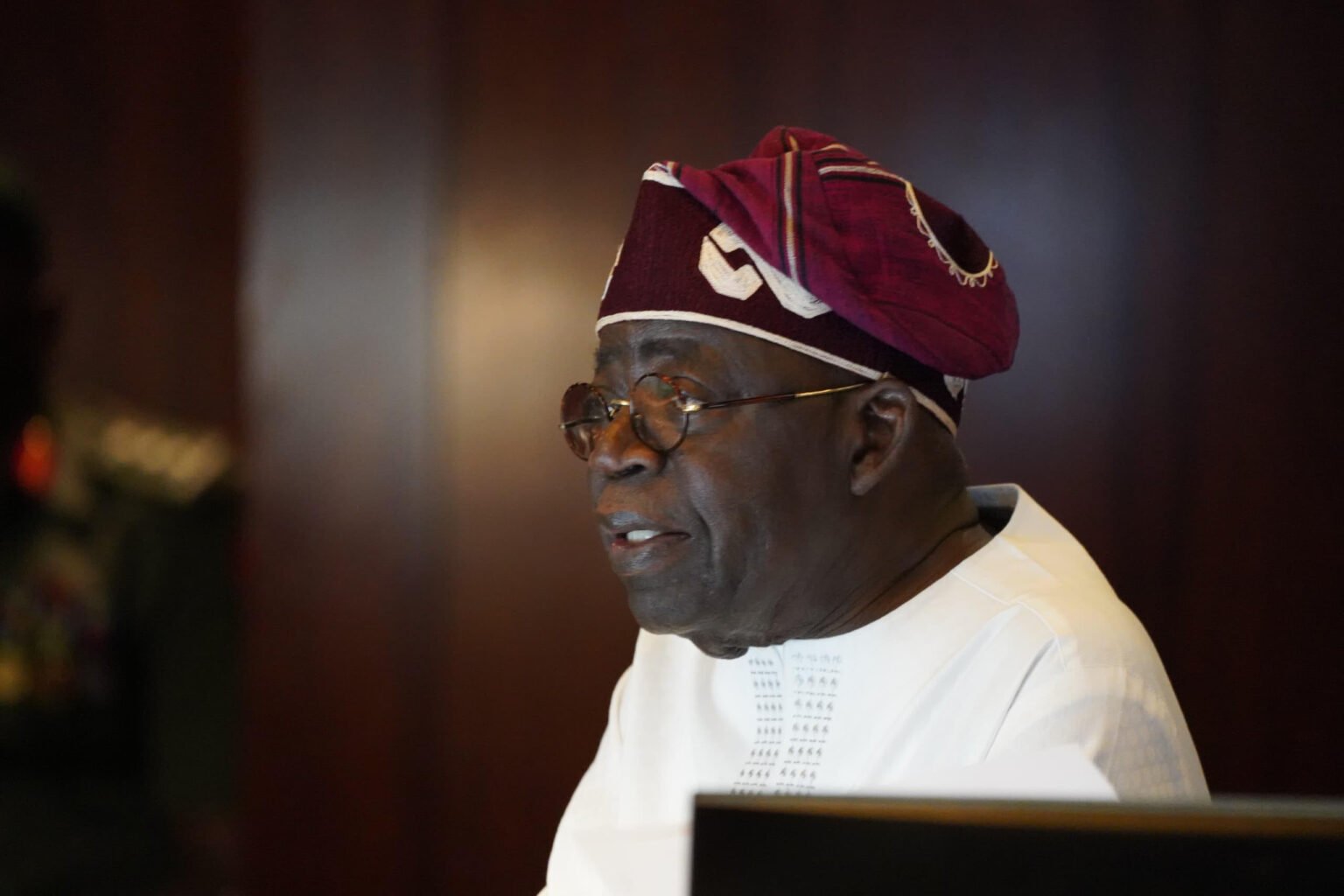
The tax reform package, which is scheduled to take effect from January 1, 2026, was recently signed into law by President Tinubu as part of his administration’s economic restructuring agenda.
The Federal Government has described the reforms as the most comprehensive overhaul of Nigeria’s tax system in decades, aimed at boosting revenue, improving compliance, and modernising fiscal administration, even as critics continue to raise concerns about process, equity, and public consultation.