

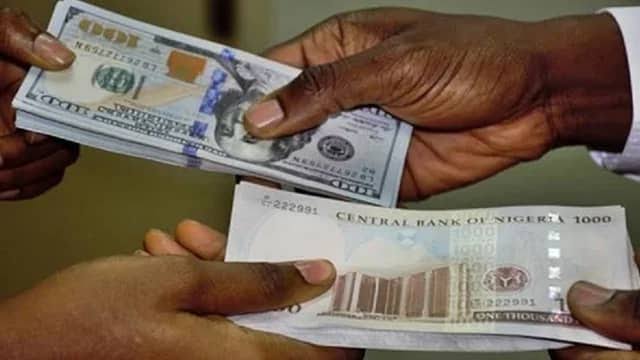
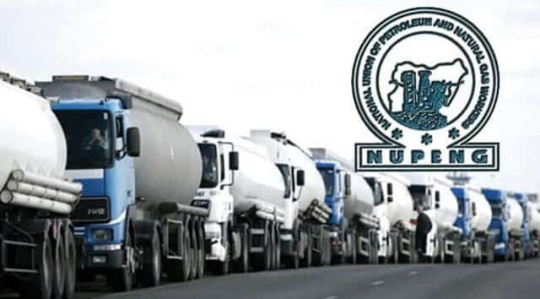
The Nigeria Union of Petroleum and Natural Gas Workers (NUPENG) has criticised former Vice-President Atiku Abubakar’s proposal to restore petrol subsidy if he wins the 2027 presidential election, questioning the financial sustainability of the policy. The union’s position was made public by its President, Salimon Oladiti, in Ibadan.
Atiku, who is the presidential candidate of the African Democratic Congress (ADC) for the 2027 election, has recently renewed his argument for a targeted subsidy regime. He has maintained that government intervention could help reduce the burden of petrol prices on Nigerians while ensuring that support is directed towards domestic refining rather than indiscriminate fuel consumption.
The former vice-president’s current position represents a shift from the stance he adopted during the 2023 presidential campaign, when he supported the removal of petrol subsidy. His media adviser, Paul Ibe, has defended the change, arguing that a leader should be prepared to reconsider a policy when its implementation produces severe hardship for citizens.
However, NUPENG President Oladiti questioned the practicality of bringing back the subsidy without a clearly defined and sustainable source of funding. He argued that restoring the scheme could impose another significant burden on government finances if the mechanism for financing it is not transparently established.
The union’s objection comes against the backdrop of Nigeria’s experience with fuel subsidy, a policy that has for years generated intense debate over its cost, administration and alleged leakages. The subsidy was removed by President Bola Tinubu in 2023 as part of a broader economic reform programme aimed at reducing government expenditure and correcting distortions in the petroleum market.
Oladiti also pointed to developments under the Tinubu administration that he believes have followed the subsidy removal, including increased revenue allocations to state governments and infrastructure development. He specifically linked improved road infrastructure to increased economic activity and its potential benefits to the petroleum sector.
The NUPENG position also comes shortly after the union’s leadership met with President Tinubu at the Presidential Villa in Abuja. During that meeting, Tinubu defended the subsidy removal, describing it as necessary to prevent further economic distortions and redirect public resources towards projects with longer-term value.
Tinubu also told the NUPENG delegation that his administration remained committed to reviving Nigeria’s refineries and making them economically viable. He said the government would publish details showing how funds saved from subsidy removal had been utilised, while urging petroleum transport operators to ensure that the benefits of the Compressed Natural Gas initiative reach commuters.
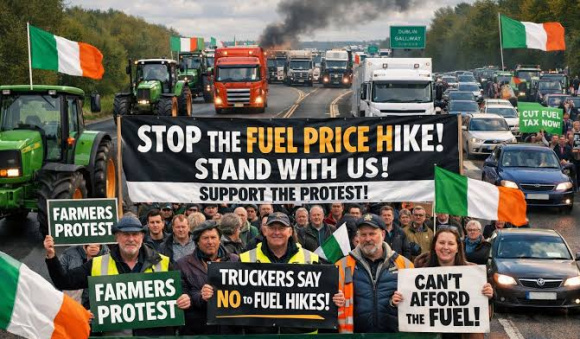
Atiku’s proposal has nevertheless intensified the political debate over whether Nigeria should maintain the current market-oriented approach or reintroduce government intervention in petrol pricing. Critics of the former vice-president’s position argue that a return to subsidy could undermine fiscal gains, while his camp maintains that a properly targeted and transparent system could protect consumers without recreating the abuses associated with the old regime.
The disagreement is therefore likely to remain a major economic issue ahead of the 2027 election, with Nigerians facing a choice between competing approaches to petrol pricing, public spending and energy-sector reform. For NUPENG, however, the central question remains whether Atiku’s proposed subsidy can be financed without recreating the fiscal pressures and structural problems that accompanied the previous system.
- Nigeria Evacuates First Ebola Patient to Switzerland as Health Minister Confirms Medical Flight
 ABUJA, Nigeria — Nigeria’s first confirmed Ebola patient in more…
- EFCC Raids Four Illegal Lithium Plants in Ogun, Arrests 14 Chinese Nationals and Nigerian
 The Economic and Financial Crimes Commission (EFCC) has arrested 15…