



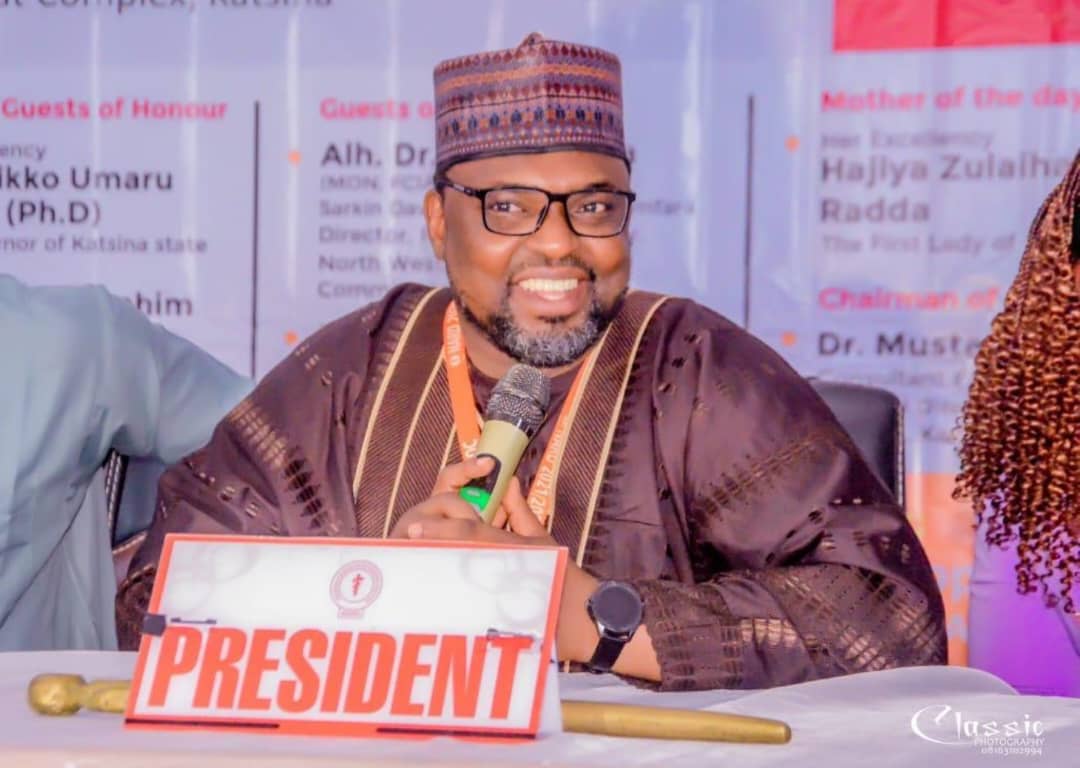
The lingering industrial action by the Nigerian Association of Resident Doctors (NARD) has deepened as the association’s president, Dr. Muhammad Suleiman, faulted the Federal Government’s claim of releasing ₦11.9 billion to clear outstanding arrears and allowances owed to doctors and other health workers across the country. Suleiman described the figure as grossly inaccurate, stating that only about ₦500 million of the said amount was actually earmarked for resident doctors.
The Federal Ministry of Health and Social Welfare had earlier announced that President Bola Ahmed Tinubu approved the release of ₦11.995 billion within 72 hours to offset unpaid arrears for health professionals. The ministry explained that the funds were part of ongoing efforts to resolve disputes with the medical community, and that an additional ₦21.3 billion had already been credited to the IPPIS account to facilitate payments to eligible beneficiaries. It also noted that government had previously paid ₦10 billion in August for seven months of arrears under the adjusted Consolidated Medical Salary Structure (CONMESS) and Consolidated Health Salary Structure (CONHESS).
However, Dr. Suleiman, in a reaction made available to journalists, argued that the government’s figures do not reflect the true situation on the ground. He explained that NARD’s internal checks revealed that resident doctors were allocated only about ₦500 million from the ₦11.9 billion total, questioning the transparency and accuracy of the government’s announcement. He accused officials of exaggerating figures to create a false impression that the demands of doctors had been fully met.
- Bournemouth Humiliate Manchester United 3-0 at Old Trafford as Carrick Faces Mounting Pressure
 Bournemouth delivered another painful blow to Manchester United on Sunday,…
- Tragedy in Kogi: Police Corporal Allegedly Kills Female Colleague, Takes Own Life After Reported Relationship Crisis
 A tragic shooting incident involving two serving police officers has…
The NARD president further disclosed that the association’s strike would continue until all pending demands are satisfactorily addressed. According to him, only two out of the nineteen issues tabled before the government had received any concrete response so far. He noted that the majority of resident doctors remain unpaid for several months and that hospitals across the country are still struggling with manpower shortages, poor remuneration, and worsening working conditions.
The ongoing strike has paralysed medical services in about ninety-one federal hospitals and medical centres nationwide. Patients in major teaching hospitals are being turned back or referred to private clinics as the shortage of medical personnel continues to bite hard. Health observers warn that prolonged industrial action could further weaken Nigeria’s already fragile healthcare system and heighten the risk of preventable deaths, especially in emergency and specialist departments.
Meanwhile, the Federal Government has appealed to the striking doctors to return to work, assuring them that efforts are ongoing to reconcile all payment discrepancies. The Ministry also disclosed plans to recruit thousands of new health workers and engage a neutral negotiator, Professor Dafe Otobo, to mediate between the parties and fast-track a lasting resolution. Despite these promises, resident doctors insist that verbal assurances are no longer enough without visible financial disbursement and documentation.
The crisis has once again drawn attention to the recurring challenge of labour disputes in Nigeria’s public health sector. Analysts argue that until government institutions adopt a transparent, technology-driven payroll system and fulfill earlier agreements, strikes and shutdowns will continue to plague hospitals nationwide. They also stress the need for an overhaul of welfare policies and a renewed commitment to stemming the brain drain of medical professionals.
As the impasse drags on, the Federal Government and NARD remain locked in disagreement over the true value and distribution of the ₦11.9 billion payment. For now, resident doctors are standing firm, insisting that their strike will not be suspended until tangible evidence of payment and compliance with outstanding agreements is presented.