





Fresh security concerns are mounting across Nigeria’s South-West following a wave of violent attacks and intelligence warnings suggesting that terrorist elements may be expanding their operations beyond their traditional strongholds in the North-East and North-Central regions.
The growing anxiety follows recent deadly incidents in parts of Oyo and Ogun states, alongside earlier large-scale attacks in Kwara State that shocked the country earlier this year. Security analysts and regional leaders now fear that extremist groups are testing new operational corridors into the South-West.
According to reports monitored on Sunday, tension intensified after warnings from prominent Yoruba leaders and local vigilante groups that suspected insurgents have infiltrated forests and rural communities across several South-West states.
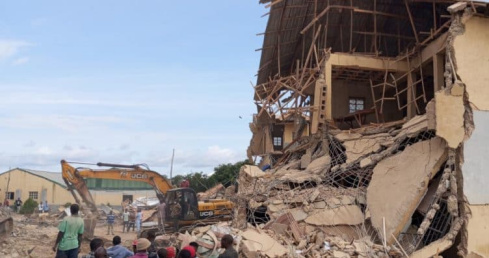
The alarm comes amid increasing incidents of kidnappings, attacks on farming settlements, school invasions, and assaults on isolated communities in Oyo State and neighbouring areas. Last week, pan-Yoruba socio-political organisation Afenifere expressed outrage over coordinated attacks on schools in Oriire Local Government Area of Oyo State, describing the development as horrifying and dangerous for regional security.
The situation has triggered fear among residents in Lagos and other major South-West urban centres, with many worried that the region could become the next theatre of organised terrorist activity if urgent preventive measures are not taken.
Security concerns were further heightened by memories of previous extremist-linked attacks in the South-West, including the 2022 church massacre in Owo, Ondo State, which authorities linked to Islamic State West Africa Province (ISWAP).
Earlier in 2026, one of Nigeria’s deadliest mass killings occurred in parts of Kwara State, where more than 160 villagers were reportedly killed in coordinated attacks blamed on jihadist fighters. The attacks reportedly targeted communities that resisted extremist ideology.
Intelligence and security experts have repeatedly warned that increasing pressure on insurgent groups in the North-East may be forcing some factions to seek new operational territories in central and southern parts of Nigeria.
- Tragedy in Kogi: Police Corporal Allegedly Kills Female Colleague, Takes Own Life After Reported Relationship Crisis
 A tragic shooting incident involving two serving police officers has…
- Tottenham Stun Chelsea at Stamford Bridge as Palmer Sees Red and Maddison Suffers Fresh Injury Blow
 Tottenham Hotspur delivered a statement victory over London rivals Chelsea…
Traditional rulers, community leaders and regional security outfits have consequently called for tighter border surveillance, improved forest policing, stronger intelligence gathering, and enhanced cooperation among South-West governors.
Although federal authorities have not officially confirmed a large-scale terrorist relocation into the South-West, security agencies have continued to intensify surveillance operations in vulnerable areas amid fears of sleeper cells and armed groups exploiting porous forest corridors.
Observers say the latest developments may further increase pressure on the Federal Government to strengthen regional security architecture and address growing concerns over Nigeria’s widening insecurity crisis.