



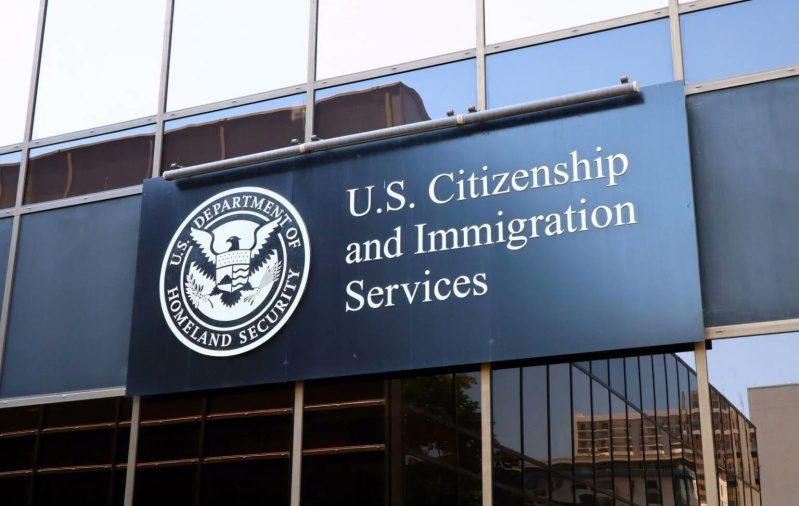
The United States government has temporarily stopped the processing of legal immigration applications filed by Nigerians and nationals of other countries newly added to an expanded U.S. travel restriction list, according to reports by CBC News and other international media. The move follows a new presidential proclamation that broadens existing travel and entry limitations on several countries.
The pause affects applications handled by U.S. Citizenship and Immigration Services (USCIS), including petitions for permanent residency (green cards), adjustment of status and naturalization. Many of the affected applicants are individuals who are already legally resident in the United States and had ongoing applications under review before the latest policy shift.
Reports indicate that Nigeria is among the countries newly covered under the updated travel ban framework announced earlier this week. While the restrictions vary by country, those placed under partial suspension face limits on immigrant visas and certain non-immigrant visa categories, triggering the temporary halt in related immigration processing.
U.S. officials have linked the policy to national security considerations, citing the need for enhanced vetting, improved information sharing and stronger identity verification procedures. The proclamation authorises immigration agencies to pause or restrict processing while compliance and security reviews are carried out for affected countries.
- Bournemouth Humiliate Manchester United 3-0 at Old Trafford as Carrick Faces Mounting Pressure
 Bournemouth delivered another painful blow to Manchester United on Sunday,…
- Tragedy in Kogi: Police Corporal Allegedly Kills Female Colleague, Takes Own Life After Reported Relationship Crisis
 A tragic shooting incident involving two serving police officers has…
Although the policy is described as temporary, no clear timeline has been provided for when normal processing will resume. This lack of clarity has left thousands of applicants in uncertainty, particularly families awaiting reunification and professionals seeking permanent legal status in the United States.
Immigration lawyers say the suspension does not amount to a blanket cancellation of applications but rather a processing freeze tied to the new proclamation. Some categories, such as lawful permanent residents, diplomatic visas and humanitarian exemptions, may still be allowed under specific conditions.
In Nigeria, the development has sparked concern among prospective migrants and families with pending cases. Community groups and migration advocates warn that prolonged delays could have serious emotional and financial consequences for applicants who have waited years within the U.S. immigration system.
Critics of the policy argue that the suspension disproportionately affects lawful immigrants with no links to security threats, while supporters insist the measures are necessary to protect U.S. borders and ensure the integrity of the immigration system.
The U.S. government has yet to release a detailed official statement outlining the full scope of the suspension or listing all affected countries. Officials are expected to issue further guidance to USCIS offices and applicants as implementation of the new travel restrictions continues.
As the situation develops, immigration experts advise Nigerians and other affected applicants to closely monitor official USCIS announcements and seek professional legal guidance. Until further notice, many legal immigration pathways remain on hold, underscoring the growing impact of global travel and security policies on lawful migration.