

The Minister of Works, David Umahi, has dismissed concerns over the Lagos-Calabar Coastal Highway’s vulnerability to flooding, insisting that the major infrastructure project was designed to withstand challenging weather conditions.
Umahi gave the assurance amid public debate over the impact of the coastal highway on communities along the corridor, particularly following heavy rainfall and reports of water accumulation in parts of Lagos.
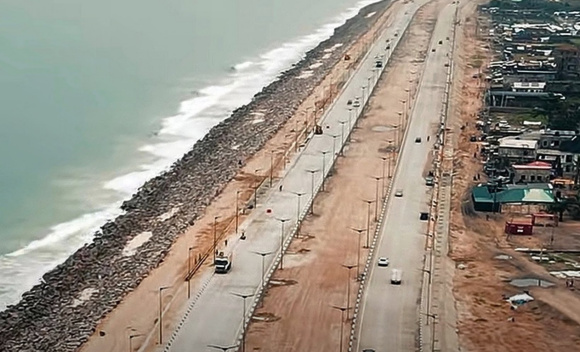
Speaking on Channels Television’s Sunday Politics, the minister said flood resilience was considered in the engineering design of the highway. He explained that the road was constructed at an elevated level and supported by drainage infrastructure intended to manage stormwater.
Umahi also rejected allegations that the highway was responsible for flooding in neighbouring areas. According to him, several locations along the coastal corridor had experienced water-related problems long before construction of the road began.
The minister said the project’s design takes into account the environmental conditions of the coastal terrain, with drainage provisions intended to facilitate the movement of water and protect the highway from excessive accumulation.
His comments echo earlier assurances from the Federal Government and Lagos State authorities, which have maintained that the coastal highway should not be blamed for the state’s wider drainage challenges.
Authorities have identified several factors that contribute to Lagos’ vulnerability to flooding, including inadequate drainage in some locations, blocked waterways, indiscriminate waste disposal, development around water channels and the state’s low-lying coastal geography.
Beyond the highway itself, the Works Ministry has outlined additional measures to improve water management along the project corridor. These include drainage interventions, the clearing of waterways and other works aimed at improving the flow of stormwater.
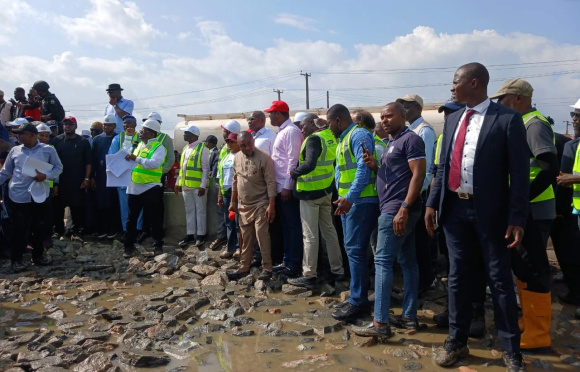
Umahi has also acknowledged that water has accumulated at some depressed sections of the highway and said remedial measures would be carried out where necessary. He has explained that some areas require additional drainage arrangements as work progresses on other components planned for the corridor.
The Lagos-Calabar Coastal Highway remains one of Nigeria’s most ambitious and closely watched infrastructure projects. While Umahi continues to defend its engineering standards, attention is likely to remain focused on how the project interacts with Lagos’ sensitive coastal environment and the wider need for effective drainage and urban planning.
- Bournemouth Humiliate Manchester United 3-0 at Old Trafford as Carrick Faces Mounting Pressure
 Bournemouth delivered another painful blow to Manchester United on Sunday,…
- Tragedy in Kogi: Police Corporal Allegedly Kills Female Colleague, Takes Own Life After Reported Relationship Crisis
 A tragic shooting incident involving two serving police officers has…