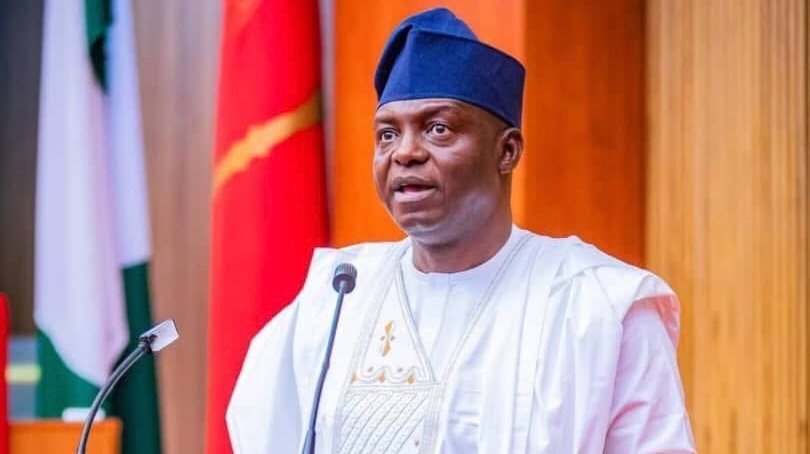




In a show of political rapprochement, the Minister of the Federal Capital Territory (FCT), Nyesom Wike, and Rivers State Governor Siminalayi Fubara convened a high-profile meeting with members of the Rivers State Elders Council on Saturday in Port Harcourt.
The gathering, which also drew the Speaker of the Rivers State House of Assembly, Martins Amaewhule, and Chief Ferdinand Alabraba, Chairman of the Elders Council, was described by aides as a symbol of unity among key stakeholders in Rivers politics.
The meeting is coming shortly after the expiration of an emergency rule imposed on Rivers State in March 2025. On September 17, President Bola Tinubu formally lifted the state of emergency, directing that Governor Fubara, his deputy Ngozi Odu, and members of the state assembly resume their official duties.
Upon resumption, Fubara announced that the political crisis underlying the emergency intervention had been resolved and that he had taken steps to rebuild trust with former office holders.
Although no official communique has yet been released detailing the outcomes of Saturday’s meeting, observers believe the agenda likely centered on:
Political reconciliation and mending divisions within the Rivers political family.
- Nigeria’s First Ebola Patient Identified as Wife of Swiss Diplomat as Authorities Probe Source of Infection
 Nigeria’s latest Ebola case has been traced to a 42-year-old…
- MURIC Seeks Police Probe into Alleged Killing of Man Inside Oyo Mosque
 The Muslim Rights Concern (MURIC) has petitioned the police over…
Read More “MURIC Seeks Police Probe into Alleged Killing of Man Inside Oyo Mosque” »
Ensuring stability in the state’s governance following months of tension.
Strengthening collaboration between state and federal authorities through Wike’s influence and networks.
Lere Olayinka, Senior Special Assistant on Public Communication to the FCT Minister, posted that the meeting signals that “the political family is fully united.”
Political analysts in Port Harcourt see the meeting as a potential turning point. They argue that for governance to be effective in Rivers, fractured relationships among political elites must be healed.
While reactions have been largely positive, critics may await clarification on how unity will translate into policy decisions or development commitments for Rivers State.
In coming days, stakeholders will likely issue statements elaborating on agreements made and action plans going forward. Should such documents emerge, they will help translate this symbolic meeting into tangible outcomes for citizens.