





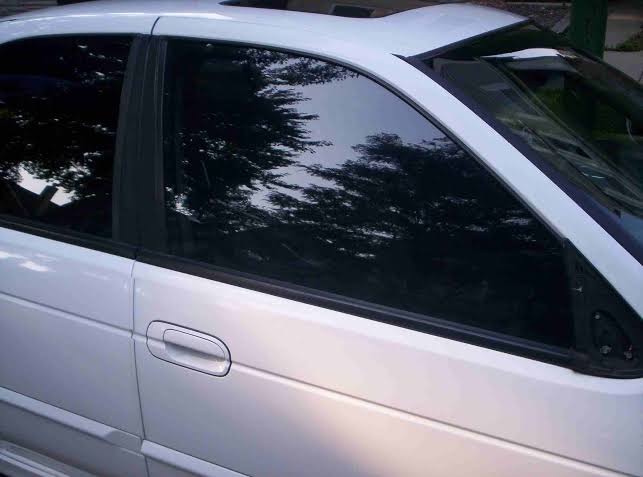
The Federal High Court in Warri has issued an interim order stopping the Nigeria Police Force (NPF) and the Inspector-General of Police (IGP) from enforcing the controversial tinted glass permit requirement for motorists.
The ruling, delivered on Friday, October 3, 2025, directed the police to suspend enforcement and “respect judicial processes pending further proceedings in the matter.”
The order came during hearing of Suit No. FHC/WR/CS/103/2025, filed by legal practitioner John Aikpokpo-Martins against the IGP and the NPF.
Mr. Aikpokpo-Martins approached the court to question the legality of the policy, arguing that it infringes on citizens’ rights. Represented by Senior Advocate of Nigeria (SAN), Kunle Edun, the petitioner’s legal team described the ruling as a significant victory for the rule of law.
Edun told journalists that the decision reinforces the principle that government agencies must not undermine judicial authority while cases are pending.
- Nigeria’s First Ebola Patient Identified as Wife of Swiss Diplomat as Authorities Probe Source of Infection
 Nigeria’s latest Ebola case has been traced to a 42-year-old…
- MURIC Seeks Police Probe into Alleged Killing of Man Inside Oyo Mosque
 The Muslim Rights Concern (MURIC) has petitioned the police over…
Read More “MURIC Seeks Police Probe into Alleged Killing of Man Inside Oyo Mosque” »
The Nigeria Police Force had resumed issuance of tinted glass permits in April 2025 through the Police Specialised Services Automation Project (POSSAP), after suspending the scheme in 2022.
The IGP, Kayode Egbetokun, originally gave motorists until August 12, 2025, to obtain permits but later shifted the compliance deadline to October 2, 2025.
The announcement triggered widespread backlash. Many Nigerians expressed fears of harassment, extortion at checkpoints, and unfair treatment, especially for vehicles with factory-fitted tinted windows. Civil society groups also described the scheme as exploitative and unconstitutional.
Police authorities defended the enforcement, citing provisions of the Motor Vehicles (Prohibition of Tinted Glass) Act, 1991, and national security concerns. According to the NPF, regulating tinted glasses is necessary to curb criminal activities and improve public safety.
However, human rights advocates insist the law is outdated and that forcing citizens to pay for permits amounts to an unjust burden. The debate has since fueled multiple legal challenges nationwide.
With the Warri court’s interim order, the police must suspend all enforcement actions until the substantive issues are fully determined. The case is expected to set a legal precedent on whether the police have statutory authority to impose such permits or whether the policy violates constitutional rights.
Motorists and rights groups alike are now watching closely to see how the courts will resolve the clash between public security concerns and individual freedoms.