



Abuja, Nigeria — In a significant religious and social gesture, friends and faith leaders have launched a project to distribute one million copies of the Holy Bible across Nigeria in honour of Barrister Seyi Tinubu, eldest son of President Bola Ahmed Tinubu.
The initiative was publicly unveiled during a thanksgiving service on Sunday at the National Christian Centre, Abuja, which was also synchronised with services in about 40 other churches around the country. The launch event was coordinated by Hon. Belusochukwu Enwere, National Chairman of the Youth Wing of the Christian Association of Nigeria (YOWICAN), and organized by friends of Seyi Tinubu.
Goals and Messaging
Organisers say the Bible distribution is more than a gift — it is a spiritual investment, intended to promote moral renewal, ethical leadership, and civic responsibility especially among Nigeria’s youth. Enwere described the project as “a seed for moral transformation” and not merely a birthday tribute.
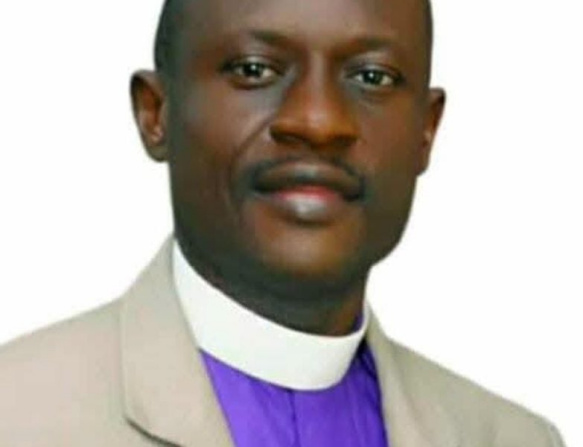
At the service, Rev. Ini Ukpuho, Chaplain of the National Christian Centre, officiated and led prayers for the Tinubu family and the nation. Clergymen from different denominations praised the initiative, asserting it comes at a moment when many Nigerians are concerned over declining moral values.
In a message read on his behalf, Seyi Tinubu expressed gratitude to the organizers and reinforced his belief that faith and moral education are essential to responsible citizenship and national development.
- Nigeria’s First Ebola Patient Identified as Wife of Swiss Diplomat as Authorities Probe Source of Infection
 Nigeria’s latest Ebola case has been traced to a 42-year-old…
- MURIC Seeks Police Probe into Alleged Killing of Man Inside Oyo Mosque
 The Muslim Rights Concern (MURIC) has petitioned the police over…
Read More “MURIC Seeks Police Probe into Alleged Killing of Man Inside Oyo Mosque” »
Distribution Strategy & Timeline
The first batch of Bibles was formally presented during the launch, with plans to distribute them through churches, schools, youth ministries, and community groups nationwide in the coming weeks. Organisers have said the distribution will cover all states, making it a truly national exercise.
Reactions and Perspectives
Media and public reactions have ranged from praise for the spiritual symbolism to critique of whether such an initiative aligns with broader national priorities given ongoing economic and social challenges. While supporters view it as an act of faith and patriotism, critics question resource allocation and timing amid pressing needs across sectors.
Observers also note that faith-based distribution campaigns have precedents in Nigeria, and initiatives like this often generate discourse on the intersection of religion, politics, and social influence.