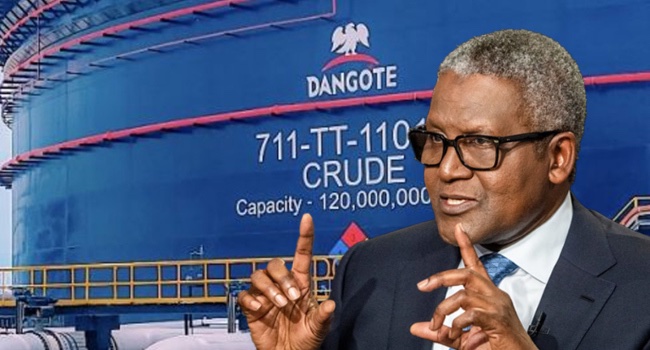


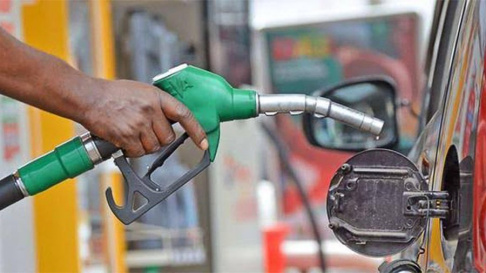
Petroleum marketers across Nigeria have begun withholding updated pump prices for Premium Motor Spirit (PMS) and Automotive Gas Oil (AGO), signaling growing uncertainty in the downstream oil sector as expectations mount over an imminent price adjustment from the Dangote Petroleum Refinery and Petrochemicals.
Industry sources indicate that the unusual pause in price disclosures is a strategic response by marketers anticipating a fresh upward review in depot prices from the Lekki-based refinery, Africa’s largest with a capacity of about 650,000 barrels per day. The development comes against the backdrop of renewed volatility in global crude oil markets, which has significantly increased feedstock costs for refiners operating within international pricing benchmarks.
Recent data shows that the refinery has already adjusted its pricing multiple times in March, including both reductions and increases, reflecting the unstable global oil environment. In one instance, depot prices were raised to about ₦1,245 per litre from ₦1,175 per litre, underscoring the sensitivity of domestic fuel pricing to international crude fluctuations.
Compounding the situation is a sharp rise in global oil prices driven by geopolitical disruptions, particularly supply shocks linked to tensions in the Middle East. Analysts note that these disruptions have pushed fuel prices in Nigeria to record highs, despite the operational scale-up of the Dangote refinery, which was initially expected to stabilize domestic supply and pricing.
The refinery itself has faced cost pressures tied to crude sourcing. Limited domestic crude allocations have forced it to import crude at elevated international rates, thereby transmitting global price pressures directly into Nigeria’s downstream market.
Market behaviour at the retail level reflects this uncertainty. Even in periods when global crude prices showed signs of easing, many filling stations maintained high pump prices—hovering above ₦1,300 per litre in several cities—suggesting that marketers are increasingly cautious about adjusting prices downward amid volatile supply expectations.
- Troops, DSS Rescue Six Kidnap Victims in Kogi, Including Naval Officer
 Troops of Operation Whirl Stroke (OPWS), working alongside operatives of…
Read More “Troops, DSS Rescue Six Kidnap Victims in Kogi, Including Naval Officer” »
- Dangote Refinery’s N2.15 Trillion IPO Closes Today as Investors Make Final Push
 LAGOS, Nigeria — The highly anticipated initial public offering (IPO)…
Read More “Dangote Refinery’s N2.15 Trillion IPO Closes Today as Investors Make Final Push” »
The decision by marketers to halt price updates is therefore seen as a defensive market strategy. By delaying price announcements, operators aim to avoid losses that could arise from selling at current rates before a new, higher ex-depot price takes effect.
Meanwhile, Nigeria’s broader policy shift toward prioritising local refining—evidenced by the suspension of petrol import licences—has further tied domestic pricing dynamics to the operations and pricing decisions of the Dangote refinery.
As the market awaits the refinery’s next pricing template, stakeholders warn that continued volatility could deepen inflationary pressures, particularly in transportation and food costs, which are closely linked to fuel prices.
For consumers, the silence from marketers is increasingly interpreted as a precursor to another upward adjustment—one that could further strain household budgets in an already high-cost environment.