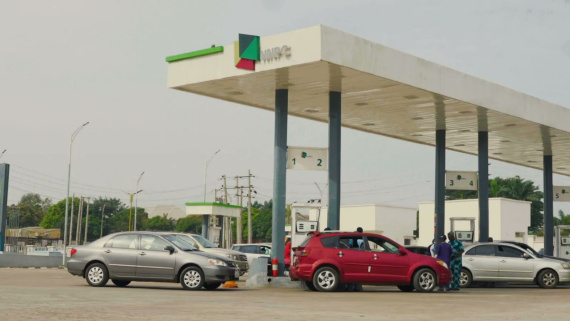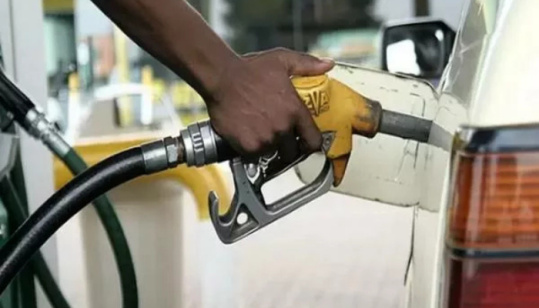







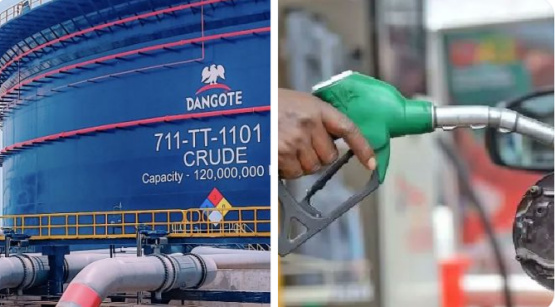
Nigeria’s largest refining facility, the Dangote Refinery, has announced a fresh increase in the ex-depot prices of petroleum products, pushing petrol to ₦1,275 per litre and diesel to ₦1,950 per litre.
The latest adjustment represents a ₦75 increase in petrol price—about a 5 percent rise from the previous ₦1,200 per litre—while diesel recorded a sharper jump of ₦200, up from ₦1,750 per litre.
Industry sources confirmed that the new pricing template was communicated to marketers, reflecting ongoing volatility in the global oil market and rising crude acquisition costs.
According to officials familiar with the development, the increase is largely driven by external pressures, particularly the surge in global crude oil prices linked to geopolitical tensions in the Middle East. These international dynamics have significantly raised the cost of feedstock and refining operations.
The refinery’s decision comes at a time when Nigeria is increasingly reliant on domestic refining to meet fuel demand, following policy shifts that prioritize local production over imports. However, despite improved output capacity, global market realities continue to dictate pricing trends.
With diesel prices now approaching the ₦2,000 per litre mark, analysts warn that the ripple effects could be widespread. Higher diesel costs are expected to drive up transportation fares, logistics expenses, and overall production costs across key sectors of the economy.
- Dangote Refinery’s N2.15 Trillion IPO Closes Today as Investors Make Final Push
 LAGOS, Nigeria — The highly anticipated initial public offering (IPO)…
Read More “Dangote Refinery’s N2.15 Trillion IPO Closes Today as Investors Make Final Push” »
- NCAA to Probe Airline After Passenger Reportedly Bleeds Amid Extreme Heat on Abuja–Calabar Flight
 The Nigeria Civil Aviation Authority (NCAA) is set to investigate…
Market observers also note that marketers are likely to pass the increased ex-depot prices directly to consumers, potentially triggering another round of pump price adjustments nationwide.
The Dangote Group-owned refinery, with a capacity of about 650,000 barrels per day, remains central to Nigeria’s long-term strategy of reducing fuel import dependence. Yet, the latest price hike underscores a critical reality: even with local refining, domestic fuel prices remain closely tied to global oil market fluctuations.
As pressure mounts on households and businesses, attention is now shifting to how quickly the downstream market will adjust—and whether any policy interventions will emerge to cushion the impact on consumers.