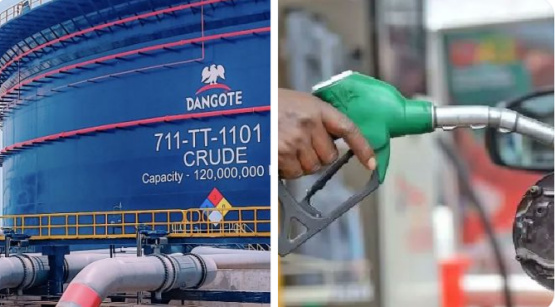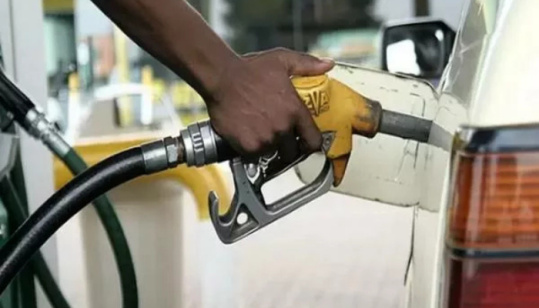
Petrol prices have surged again across major Nigerian cities, with motorists now buying Premium Motor Spirit (PMS) at about ₦1,040 per litre in Lagos and Ilorin, while prices in Abuja have climbed to around ₦1,080 per litre in several filling stations.
The latest increase follows fresh adjustments in Nigeria’s downstream petroleum market after the Dangote Petroleum Refinery raised its ex-depot (gantry) price to about ₦995 per litre, triggering higher pump prices nationwide.
Industry observers say the new gantry price has forced marketers to review their retail prices to reflect rising supply costs, logistics expenses and market dynamics since the full deregulation of petrol pricing.
A market survey of filling stations in major cities shows that pump prices now vary depending on location and operator.
Lagos: Around ₦1,040 per litre in several stations
Ilorin: Around ₦1,040 per litre in parts of Kwara State
Abuja: Up to ₦1,080 per litre in some outlets
Energy analysts note that retail prices across Nigeria are now generally ranging between ₦980 and ₦1,080 per litre, depending on transportation costs, marketers’ margins and supply conditions.
Experts attribute the latest petrol price surge to a combination of domestic and international factors.
- Bournemouth Humiliate Manchester United 3-0 at Old Trafford as Carrick Faces Mounting Pressure
 Bournemouth delivered another painful blow to Manchester United on Sunday,…
- Tragedy in Kogi: Police Corporal Allegedly Kills Female Colleague, Takes Own Life After Reported Relationship Crisis
 A tragic shooting incident involving two serving police officers has…
First, the increase in the Dangote refinery’s gantry price significantly raised the cost at which marketers purchase petrol before distribution.
Secondly, global crude oil prices have risen due to geopolitical tensions in the Middle East, pushing up the cost of refined petroleum products worldwide.
The deregulated nature of Nigeria’s fuel market means retail prices are now largely determined by market forces, including crude oil prices, exchange rates and distribution costs.
The latest increase is expected to further strain household budgets and raise transportation costs across the country.
Motorists and commuters have already begun expressing concern over the rising cost of fuel, which analysts say could also trigger increases in the prices of goods and services due to higher logistics costs.
Energy market watchers warn that petrol prices could rise further if global crude oil prices continue climbing or if supply disruptions occur in the coming weeks.