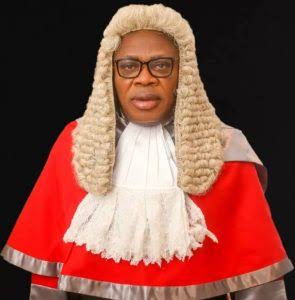








A newly surfaced forensic report circulating on social media has reignited controversy over an X (formerly Twitter) account allegedly linked to Joash Amupitan, the chairman of Independent National Electoral Commission (INEC), despite the commission’s earlier denial of any such association.
The development follows a prior statement by INEC distancing both the institution and its chairman from the account in question on X. The commission had maintained that neither Amupitan nor its official communication channels were connected to the handle, urging the public to disregard content attributed to it.
However, the emergence of a 14-page forensic analysis has introduced a new dimension to the issue. The report, now widely shared online, claims to examine digital footprints and behavioral patterns associated with the disputed account. According to its author, the document is presented as an “independent forensic research publication” and is not intended to interfere with or invalidate any ongoing or parallel investigations.
While the report stops short of making definitive legal conclusions, it reportedly outlines technical observations that suggest possible links between the account’s activity and identifiable user patterns. These include posting timelines, linguistic consistency, and metadata indicators typically analyzed in digital forensic investigations.
As of now, INEC has not issued an additional response addressing the claims raised in the forensic document. The lack of an updated official position leaves the matter unresolved, with public discourse increasingly shaped by competing narratives, one grounded in institutional denial, the other in independent digital analysis.
- Tinubu Flags Off $100m Southeast Gas Pipeline Project to Boost Industrial Growth
 President Bola Tinubu has flagged off a $100 million gas…
Read More “Tinubu Flags Off $100m Southeast Gas Pipeline Project to Boost Industrial Growth” »
- NCC Raises Alarm Over AI-Powered Cyberattacks, Warns of Threats to Telecoms, Banks and National Security
 The Nigerian Communications Commission (NCC) has warned that the growing…
Analysts note that such controversies underscore the growing role of digital forensics in political and institutional accountability, especially in an era where social media presence can significantly influence public perception.
The situation remains fluid, and further clarification from INEC or corroboration from independent cybersecurity experts may be required to establish the authenticity and implications of the claims contained in the report.