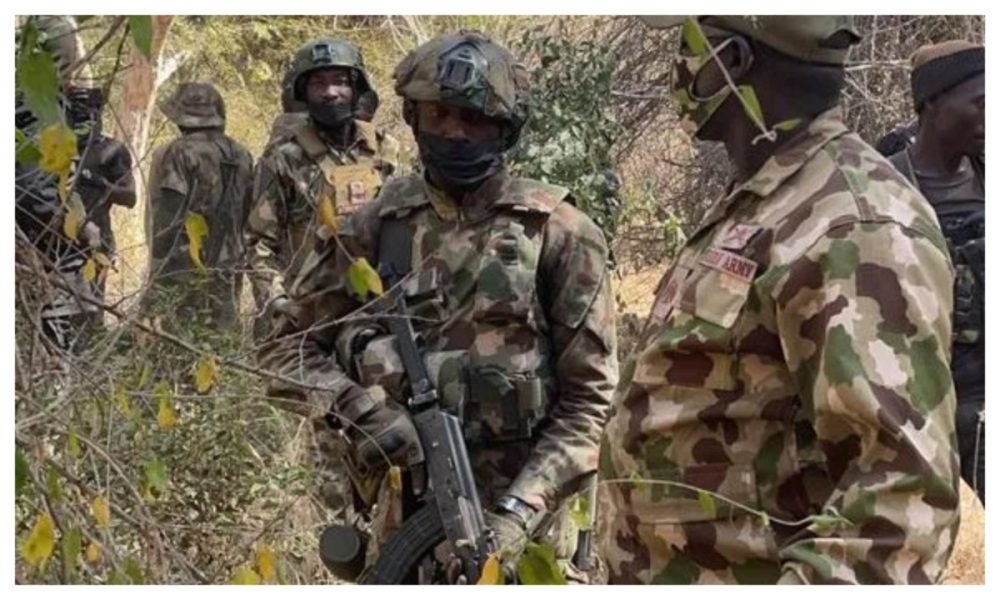
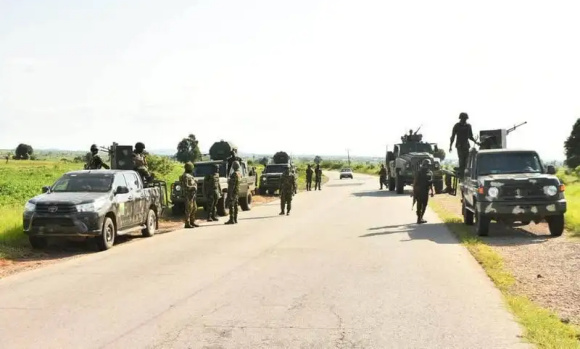

Nigeria’s military has stepped up its counterterrorism operations with real-time intelligence sharing, satellite surveillance and other strategic support from the United States, as security forces intensify efforts to dismantle terrorist networks and prevent violence ahead of the 2027 general elections.
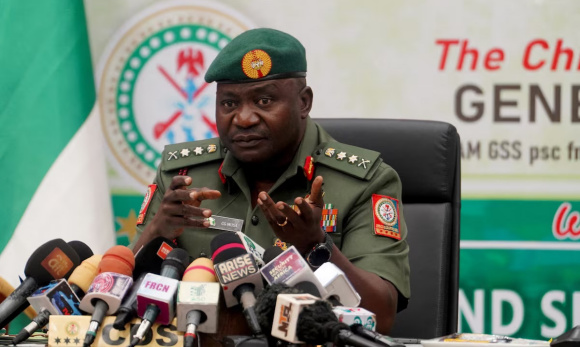
The Minister of Defence, General Christopher Musa, disclosed this on Monday, November 16, 2026, while briefing journalists, explaining that the growing security partnership between Abuja and Washington had significantly strengthened the military’s capacity to identify, track and eliminate insurgent commanders and armed criminal networks.
According to Musa, Nigerian troops have been conducting almost daily operations against terrorists and bandits, recording significant successes through improved intelligence gathering and operational coordination. He revealed that several prominent terrorist and bandit leaders were killed during overnight operations in the country’s North-West and North-East regions.
The minister attributed the improved operational effectiveness to American satellite imagery, intelligence sharing and military training, which he said had enhanced the ability of Nigerian forces to monitor hostile movements, identify strategic targets and launch more precise operations against armed groups.
Musa said Nigeria was also expecting additional military helicopters from the United States and Italy to strengthen its air capabilities, adding to recently commissioned military aviation assets. The anticipated deliveries are expected to improve surveillance, mobility and operational response in difficult terrains where insurgents and criminal gangs have established hideouts.
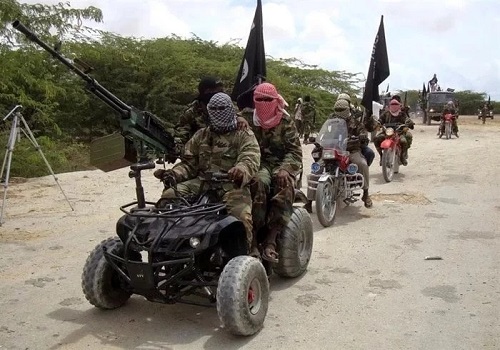
The disclosure comes amid renewed attacks by Boko Haram and its Islamic State-affiliated splinter group, the Islamic State West Africa Province (ISWAP), particularly in the North-East, where the insurgency has persisted for more than 17 years. The North-West has equally remained troubled by armed banditry, mass kidnappings and attacks on communities and security formations.
The minister further disclosed that security agencies were intensifying preparations for the January 2027 elections, with intelligence-led operations designed to prevent armed groups from disrupting the electoral process before, during and after voting. President Bola Tinubu is seeking another four-year term in the forthcoming elections.
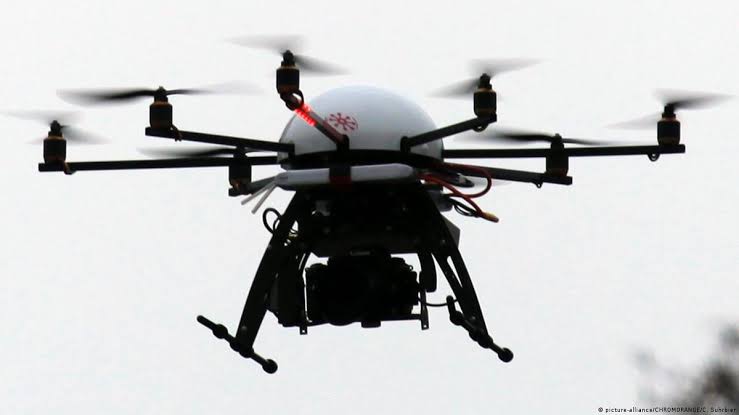
Beyond conventional military operations, Musa said Nigerian authorities were monitoring the use of emerging technologies by criminal and terrorist organisations, including Starlink satellite internet services, cryptocurrencies and commercial drones. He explained that Nigeria was collaborating with American authorities to disrupt the financial networks sustaining terrorist activities and restrict their access to resources.
On regional security cooperation, the defence minister revealed that Nigeria had reached an agreement with neighbouring Cameroon, Niger and Chad allowing security forces to pursue fleeing terrorists and bandits up to five kilometres across shared borders. He also raised concerns over attempts by Islamic State Sahel to recruit criminal gangs operating in north-western Nigeria, warning that such collaboration could transform economically motivated criminal networks into more ideologically driven insurgent organisations.
Musa maintained that Nigeria was working with neighbouring countries to dismantle the cross-border logistics, recruitment and movement networks exploited by armed groups, particularly those operating around forests and porous border communities. He expressed confidence that enhanced intelligence, surveillance and regional cooperation would increasingly restrict the operational freedom of terrorists and bandits as the country moves towards the 2027 elections.
- South Africa Raises Diplomatic Concerns Over Fani-Kayode’s Conduct, Cites Vienna Convention
 South Africa has formally expressed its displeasure to Nigeria’s newly…
- 2027 Elections: Bauchi NDC Governorship Candidate, Ibrahim Kashim, Dumps Party for APC, Cites National Influence, Development Prospects
 The political landscape in Bauchi State has witnessed a significant…