



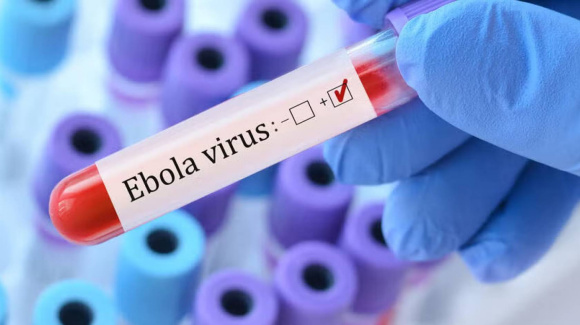
ABUJA, Nigeria — Nigeria’s battle against the Ebola virus has entered a critical phase following the Federal Government’s confirmation of an imported case of Ebola Bundibugyo virus disease in the Federal Capital Territory (FCT), prompting intensified surveillance and urgent efforts to prevent further transmission.
The Federal Ministry of Health and Social Welfare confirmed the case on Tuesday, October 20, 2026, after laboratory tests returned positive for the virus. The development marks a fresh public health challenge for Nigeria, which successfully contained an Ebola outbreak in 2014. The World Health Organization (WHO) also confirmed the latest development.
According to the health authorities, the patient is a woman who recently travelled to Nigeria from Uganda. She reportedly developed symptoms on October 7 and sought treatment at a private health facility in Abuja on October 11. Laboratory confirmation came on October 20. She is currently in isolation and receiving medical care, while investigations continue to establish the likely source of her infection and reconstruct her travel and exposure history.
The Federal Government said contact tracing had commenced, with 44 people identified for monitoring as health officials work to establish whether anyone else may have been exposed. The contacts include healthcare workers, patients, caregivers and people connected to the patient’s travel. Authorities have also intensified surveillance and strengthened infection prevention measures at the hospital where she received treatment.
The confirmation has renewed calls for Nigerians to take personal hygiene and infection prevention seriously. Although avoiding handshakes and hugs may be a sensible temporary precaution where close contact could expose someone to an infected person’s bodily fluids, Ebola is not spread simply by being near someone or through ordinary social interaction without the relevant exposure. The WHO identifies direct contact with the blood or other body fluids of an infected person, or contaminated objects and surfaces, as major routes of transmission.
Nigerians are therefore advised to wash their hands regularly with soap and clean water or use an alcohol-based hand sanitiser. People should avoid direct contact with the blood, vomit, faeces and other bodily fluids of anyone suspected of having Ebola. Contact with contaminated clothing, bedding and other materials should also be avoided unless handled by trained personnel using appropriate protective equipment.
The public should remain alert to possible symptoms, including fever, unusual tiredness, headache, muscle pain and sore throat. Other symptoms may include vomiting, diarrhoea, abdominal pain and, in some cases, bleeding. Because early Ebola symptoms can resemble malaria and other common illnesses, anyone who feels unwell after possible exposure or travel to an affected area should promptly contact a recognised health facility and disclose their travel and contact history. People should not wait for bleeding before seeking medical attention.
Health workers have been directed to maintain a high level of suspicion, promptly identify and isolate suspected cases, follow strict infection prevention and control procedures, and notify public health authorities. The NCDC has activated its incident management system, while the WHO and its partners are supporting investigations, contact tracing, hospital infection control and the provision of essential protective supplies.
The latest case is linked to the wider regional outbreak of Bundibugyo virus disease that was declared in the Democratic Republic of the Congo on May 15, 2026. The WHO said Nigeria had become the fifth country to detect the virus since that outbreak was declared. Kenya has also reported cases linked to an imported infection, underscoring the importance of cross-border surveillance and timely public health intervention.
However, the confirmation of a single imported case should not be interpreted as proof that Ebola is spreading widely within Nigeria. The immediate priority is to identify and monitor people who may have been exposed, isolate any additional suspected cases and prevent further transmission. Nigerians are also urged to avoid spreading unverified claims or stigmatising people because of their nationality, travel history or association with a patient.
As the authorities intensify their response, public cooperation will be essential. Nigerians should follow updates from the Nigeria Centre for Disease Control and Prevention, the Federal Ministry of Health and Social Welfare, and the WHO rather than relying on sensational social media messages. Prompt reporting of suspected illness, good hygiene and compliance with verified health guidance will be critical to containing the infection and protecting communities.
- Bournemouth Humiliate Manchester United 3-0 at Old Trafford as Carrick Faces Mounting Pressure
 Bournemouth delivered another painful blow to Manchester United on Sunday,…
- Tragedy in Kogi: Police Corporal Allegedly Kills Female Colleague, Takes Own Life After Reported Relationship Crisis
 A tragic shooting incident involving two serving police officers has…