
Former FIFA president Sepp Blatter has publicly backed calls for football fans to boycott the 2026 FIFA World Cup matches scheduled to be played in the United States, raising concerns over immigration enforcement violence, civil rights issues and the overall security climate ahead of the tournament.
Blatter’s remarks have added fresh momentum to an already growing international debate over whether the United States is a safe and welcoming destination for millions of visiting supporters expected during the World Cup.
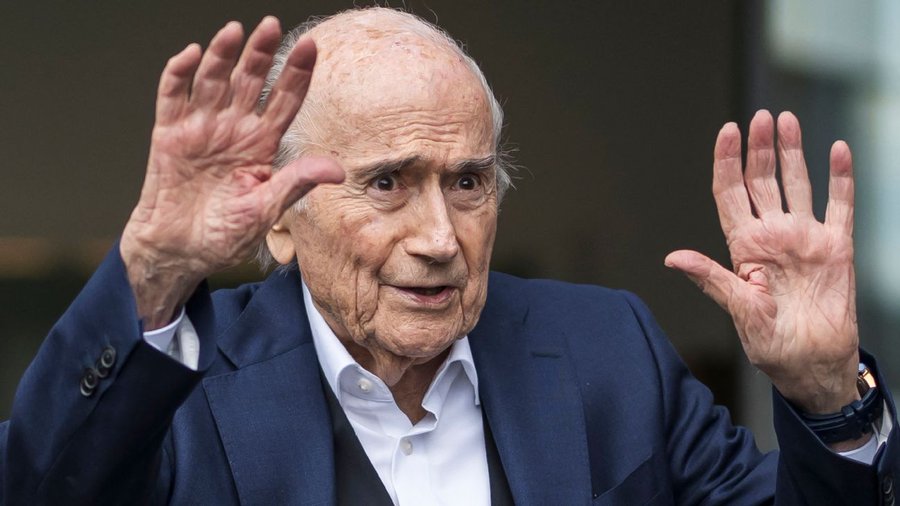
Blatter, who led world football’s governing body from 1998 until 2015, aligned himself with comments made by Swiss anti-corruption expert Mark Pieth, who had earlier advised fans to avoid travelling to the United States for the tournament.
In a brief but pointed public statement, Blatter said Pieth was right to question the suitability of the United States as a host, noting that recent developments in the country raise serious concerns for visiting fans.
The former FIFA boss’ intervention comes amid heightened scrutiny of US immigration policies and law-enforcement practices. Pieth’s warning, which Blatter endorsed, was triggered by reports of violent incidents linked to immigration enforcement operations, including fatal shootings that sparked protests and renewed debate about civil liberties in parts of the country.
Critics argue that such incidents, alongside aggressive immigration actions and political polarisation, create an environment that could deter international visitors.
- Nigeria’s First Ebola Patient Identified as Wife of Swiss Diplomat as Authorities Probe Source of Infection
 Nigeria’s latest Ebola case has been traced to a 42-year-old…
- MURIC Seeks Police Probe into Alleged Killing of Man Inside Oyo Mosque
 The Muslim Rights Concern (MURIC) has petitioned the police over…
Read More “MURIC Seeks Police Probe into Alleged Killing of Man Inside Oyo Mosque” »
Blatter and Pieth both suggested that fans may be safer following the tournament from home rather than travelling to US host cities, a stance that is unusual given FIFA’s long-standing tradition of promoting football as a unifying, apolitical global event. Their comments have resonated with sections of the football community who believe human rights and fan safety should be central considerations when hosting major sporting events.
The controversy also feeds into broader concerns about visa restrictions and border controls that could affect supporters from certain countries. Human rights groups have previously warned that strict immigration policies and travel barriers may prevent many fans from attending matches, undermining the inclusive spirit the World Cup is meant to represent.
The 2026 FIFA World Cup is scheduled to run from June 11 to July 19, 2026, and will be jointly hosted by the United States, Canada and Mexico, with the majority of matches taking place in US cities. It will also be the first World Cup expanded to 48 teams, significantly increasing the number of players, officials and fans expected to travel.
So far, FIFA’s current leadership under president Gianni Infantino has not supported calls for a boycott. FIFA has repeatedly stressed that it works closely with host governments to ensure security and smooth entry for teams and fans, while maintaining that football should remain separate from political disputes. US authorities have also insisted that extensive security planning is underway to guarantee the safety of all visitors.
Despite these assurances, Blatter’s comments have ensured that the issue remains firmly in the global spotlight. As preparations for the tournament continue, pressure is likely to mount on FIFA and host nations to address concerns around immigration practices, civil rights and fan safety, as the world weighs whether the United States can deliver a World Cup that is not only spectacular on the pitch but also secure and welcoming off it.