






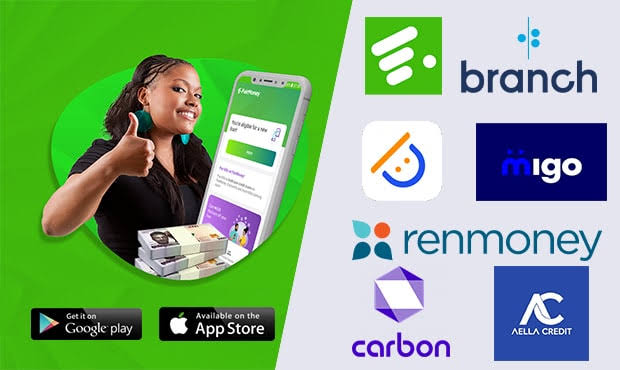
The Federal Competition and Consumer Protection Commission (FCCPC) have presented 173 digital lending applications that has been approved to operate in Nigeria.
Of these, 119 have full approvals while the other 54 have conditional approvals.
This followed a registration drive launched by the FCCPC aimed at protecting citizens from the unsavoury practices of loan apps.
The regulatory body released a ‘Limited Interim Regulatory/ Registration Framework and Guidelines for Digital Lending 2022’ document to regulate the digital lending space and make registration and approval a prerequisite for companies seeking to operate in the sector.
Coming out of these processes, the FCCPC has now released a list of approved loan apps that can operate in the country. Companies without approval will not be able to operate in the digital lending space.
Google, the owners of Google play store has been taking action to enforce regulatory compliance by removing unapproved loan apps from its Play Store in Kenya in March.
The commission stated that the “inter-agency Joint Regulatory and Enforcement Task Force has developed and mutually adopted a Limited Interim Regulatory/ Registration Framework and Guidelines for Digital Lending, 2022 as the first and interim step to establishing a clear regulatory framework.”
The guidelines are enforceable immediately and mandate different service providers in the relevant ecosystem to require regulatory approval before providing services.
The FCCPC has listed some of the approved loan apps, including Branch International Financial Services Limited, Fairmoney Micro Finance Bank, Pivo Technology Limited, Renmoney Microfinance Bank Limited, Carbon Microfinance Bank Limited, and Creditwave Finance Limited. Loans that do not have FCCPC approval will be removed from the Play Store by Google and will be unavailable for download.
In February 2023, the Nigeria Data Protection Bureau revealed that a national committee made up of federal agencies was working to curb the activities of illegal loan apps in the country.
The move is expected to further improve the regulatory environment for digital lending in Nigeria.