




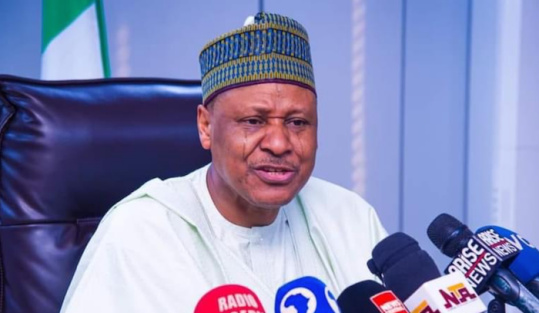
The Federal Government has announced June 17, 2026, as the official launch date for Nigeria’s long-awaited nationwide Digital Switch Over (DSO) platform, marking a major step in the country’s transition from analogue to digital television broadcasting.
Minister of Information and National Orientation, Mohammed Idris, disclosed the development during an inspection tour of facilities operated by NIGCOMSAT at the Obasanjo Space Centre in Abuja. He was accompanied by the Director-General of the National Broadcasting Commission, Charles Ebuebu, and NIGCOMSAT Managing Director Jane Egerton-Idehen.
According to the minister, the new DSO platform will provide Nigerians with access to more than 100 free-to-air television channels covering news, sports, education, entertainment and children’s programming in multiple local languages. The platform is also expected to deliver improved picture and sound quality, wider nationwide coverage and better content distribution.
A key feature of the new system is the introduction of a real-time audience measurement technology designed to provide advertisers and broadcasters with accurate viewership data. Government officials say the innovation will help media buyers target audiences more effectively and improve transparency in advertising decisions.
The DSO initiative forms part of Nigeria’s broader migration from analogue to digital broadcasting, a transition that has faced multiple delays over the years despite earlier deadlines set by international broadcasting regulators. Officials now say the infrastructure and technical framework are fully prepared for nationwide deployment.
Industry stakeholders believe the rollout could significantly reshape Nigeria’s broadcast sector by expanding access to free digital television, encouraging local content production and creating new opportunities within the creative economy. Reports indicate that about 40 per cent of channel allocation on the new FreeTV platform will be reserved for independent and regional content creators.
The government also disclosed that the platform would combine satellite and internet-based delivery systems to improve nationwide penetration, especially in underserved communities. Nigerians with compatible digital television sets or approved set-top boxes are expected to access the service once the rollout begins.
- Tragedy in Kogi: Police Corporal Allegedly Kills Female Colleague, Takes Own Life After Reported Relationship Crisis
 A tragic shooting incident involving two serving police officers has…
- Tottenham Stun Chelsea at Stamford Bridge as Palmer Sees Red and Maddison Suffers Fresh Injury Blow
 Tottenham Hotspur delivered a statement victory over London rivals Chelsea…