






No fewer than five worshippers were killed and 35 others sustained injuries on Wednesday evening following a suicide bombing at a mosque in the Gamboru area of Maiduguri, the Borno State capital. The attack occurred during evening prayers, plunging the busy neighbourhood into panic and renewed fear.
The explosion was triggered by an improvised explosive device (IED) allegedly strapped to the body of a suicide bomber who infiltrated the mosque premises at a time when worshippers had gathered for Maghrib prayers. The blast ripped through the prayer area, causing casualties among those closest to the epicentre.
Eyewitnesses said the impact of the explosion was devastating, with several worshippers thrown to the ground while others fled in confusion. The sound of the blast echoed across the Gamboru Market axis, drawing the attention of residents and security operatives in nearby locations.
Emergency responders, including security personnel and local volunteers, rushed to the scene shortly after the incident. Victims were evacuated to various medical facilities in Maiduguri, including the University of Maiduguri Teaching Hospital, where those injured are currently receiving treatment for varying degrees of trauma.
- Nigeria’s First Ebola Patient Identified as Wife of Swiss Diplomat as Authorities Probe Source of Infection
 Nigeria’s latest Ebola case has been traced to a 42-year-old…
- MURIC Seeks Police Probe into Alleged Killing of Man Inside Oyo Mosque
 The Muslim Rights Concern (MURIC) has petitioned the police over…
Read More “MURIC Seeks Police Probe into Alleged Killing of Man Inside Oyo Mosque” »
Police authorities confirmed that five people lost their lives in the attack, while 35 others were injured. They added that the injured include both men and women, some of whom were in critical condition as of the time of the report.
The area was immediately cordoned off by security forces to prevent further danger and to allow explosive ordnance disposal teams to sweep the vicinity for possible secondary devices. Normal activities around the mosque and adjoining market were temporarily suspended as investigations commenced.
Borno State Governor, Babagana Umara Zulum, condemned the attack, describing it as a cruel assault on innocent civilians and the sanctity of a place of worship. He extended condolences to the families of those killed and assured residents that the government would continue to support security agencies in protecting lives and property.
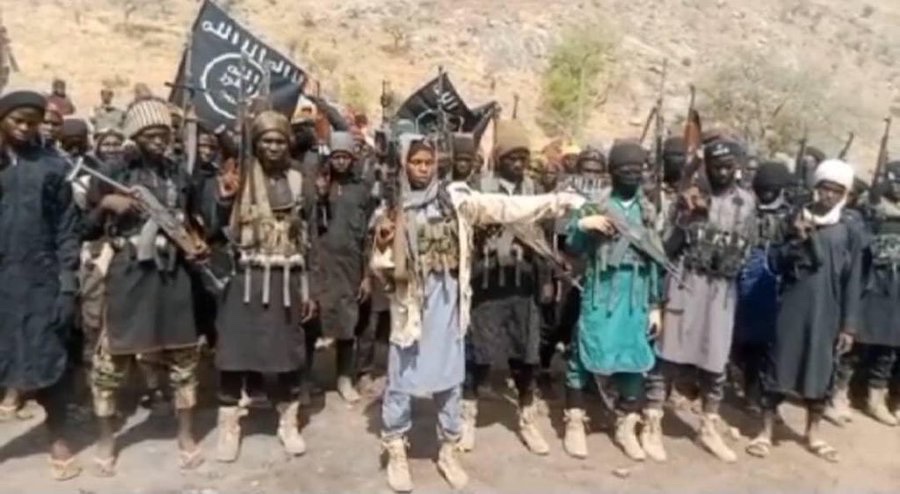
Although no group has claimed responsibility for the bombing, the method and target bear similarities to previous attacks carried out by insurgent groups operating in the North-East, particularly Boko Haram and its splinter faction, the Islamic State West Africa Province (ISWAP).
Maiduguri has remained a focal point of insurgent violence for over a decade, despite recent claims of improved security across parts of Borno State. Attacks on civilian targets, though less frequent, continue to highlight the persistent threat posed by extremist elements in the region.
Security agencies have urged residents to remain vigilant, especially around public places and religious centres, and to promptly report any suspicious movements or objects. Investigations into the attack are ongoing as authorities work to identify those responsible and prevent further incidents.