


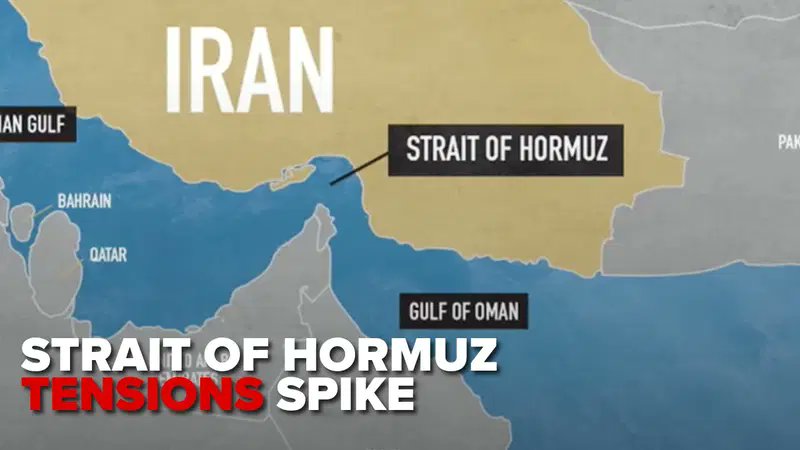
Iran’s military command has announced a renewed shutdown of the strategic Strait of Hormuz, reversing a short-lived reopening and reigniting tensions in one of the world’s most critical energy corridors.
In a statement carried by Iranian state media on Saturday, the country’s central military authority said the vital waterway has “reverted to its previous state” under strict military control, citing the continued U.S. naval blockade as the primary trigger for the move.
The latest development comes barely a day after Tehran declared the strait open to commercial shipping under a fragile ceasefire arrangement linked to broader Middle East negotiations. That reopening had briefly eased global concerns over oil supply disruptions and sent crude prices sharply downward.
However, Iranian officials now accuse the United States of violating the spirit of the ceasefire by maintaining its naval blockade, describing the action as unlawful interference with maritime freedom. Authorities warned that until unrestricted passage is guaranteed for vessels linked to Iran, the strait will remain under tight control.
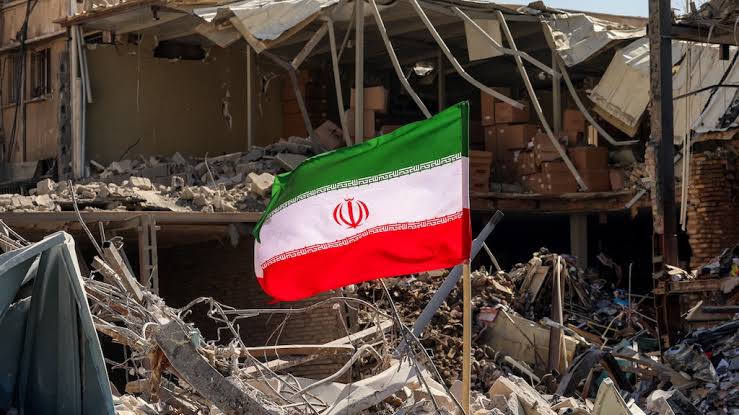
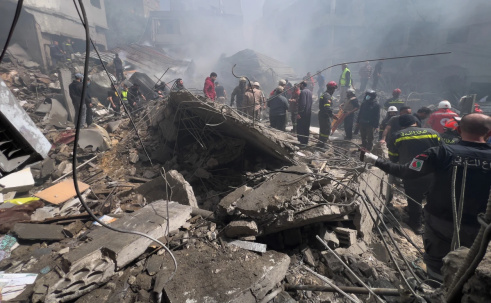
The Strait of Hormuz, which handles roughly one-fifth of global oil and liquefied natural gas shipments, has been at the center of escalating geopolitical tensions since the outbreak of the 2026 Iran war involving the United States and Israel. Its repeated closures and reopenings have disrupted shipping routes, stranded vessels, and heightened volatility in global energy markets.
- Bournemouth Humiliate Manchester United 3-0 at Old Trafford as Carrick Faces Mounting Pressure
 Bournemouth delivered another painful blow to Manchester United on Sunday,…
- Tragedy in Kogi: Police Corporal Allegedly Kills Female Colleague, Takes Own Life After Reported Relationship Crisis
 A tragic shooting incident involving two serving police officers has…
The renewed restrictions also deepen uncertainty for international shipping and oil markets, as analysts warn that the situation remains highly fluid. While diplomatic efforts—including proposed talks mediated by regional actors—are ongoing, the standoff between Tehran and Washington continues to threaten stability in the Gulf.
With both sides holding firm positions, the Strait of Hormuz remains a geopolitical flashpoint, where even temporary decisions carry immediate global economic consequences.