





A sharp escalation in the ongoing US–Israel–Iran war entered a dangerous phase on Day 21, as Iran declared it would exercise “zero restraint” if its energy infrastructure comes under attack again, raising fears of a broader regional energy war.
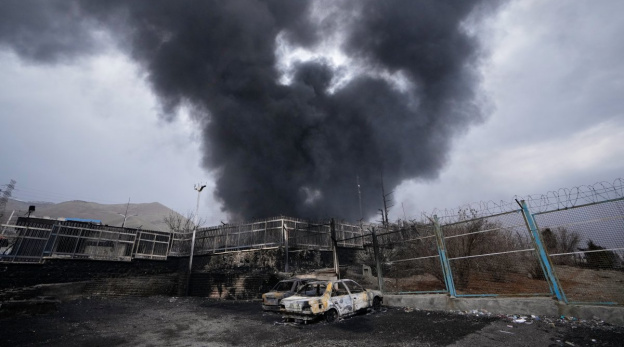
The warning follows recent Israeli strikes on Iran’s critical oil and gas facilities, including the strategic South Pars gas field—one of the largest natural gas reserves globally. The attack, which disrupted part of Iran’s gas production, marked a major turning point in the conflict and triggered swift retaliation from Tehran.
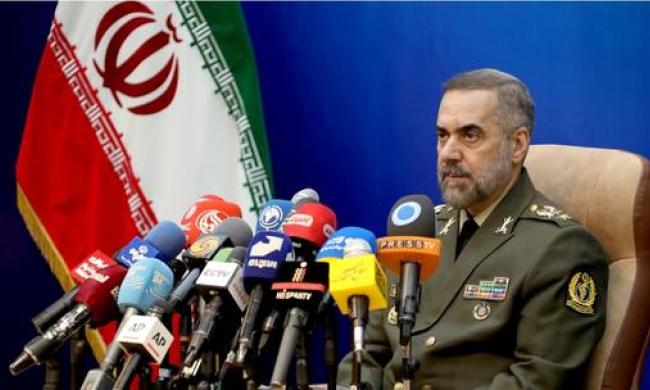
Iran’s Foreign Minister, Abbas Araghchi, said the country’s previous response had used only a “fraction” of its military capability, stressing that restraint was exercised solely in deference to international appeals for de-escalation. He warned that any repeat attack on Iran’s energy assets would provoke a far more aggressive response.
In retaliation for the Israeli strike, Iran launched attacks targeting energy infrastructure across the Gulf region, widening the conflict beyond its initial theatres and drawing in neighbouring states. The escalation has already disrupted global energy markets and heightened geopolitical risks.
Israeli Prime Minister Benjamin Netanyahu acknowledged that Israel acted unilaterally in striking Iran’s energy infrastructure, though he indicated the country may reconsider further such attacks following pressure from the United States. Washington has reportedly urged restraint amid concerns over spiralling oil prices and global economic instability.
Meanwhile, the United States signalled that the war has no clear timeline, with Defence Secretary Pete Hegseth noting that the conflict could persist even as costs mount. Reports indicate the Pentagon is seeking over $200 billion in additional funding to sustain operations, underscoring the scale and intensity of the war effort.
- Tottenham Stun Chelsea at Stamford Bridge as Palmer Sees Red and Maddison Suffers Fresh Injury Blow
 Tottenham Hotspur delivered a statement victory over London rivals Chelsea…
- AFCOM-HS: New Military Medical College Listed on JAMB Portal for 2026/2027 Admission
 The Armed Forces College of Medicine and Health Sciences (AFCOM-HS),…
Read More “AFCOM-HS: New Military Medical College Listed on JAMB Portal for 2026/2027 Admission” »
Beyond direct military exchanges, the conflict has triggered wider consequences, including disruptions to shipping routes and energy supply chains. The Strait of Hormuz—through which a significant portion of the world’s oil passes—has seen severe interruptions, compounding global market volatility.
With Iran now openly threatening unrestricted retaliation and regional energy infrastructure increasingly becoming a primary target, analysts warn the conflict risks evolving into a prolonged and economically devastating confrontation with global repercussions.
As diplomatic efforts struggle to gain traction, the prospect of further escalation remains high, with both sides showing little indication of backing down.