






The European Union (EU) has reaffirmed its strong respect for Nigeria’s sovereignty, emphasizing that its partnership with Africa’s most populous nation is built on mutual respect, shared democratic values, and non-interference in domestic affairs. This came in response to recent global conversations and tensions surrounding Nigeria’s internal policies and its constitutional stance on religious neutrality.
Speaking in Lagos, Ambassador Gautier Mignot, Head of the EU Delegation to Nigeria and ECOWAS, restated the bloc’s commitment to deepening cooperation with Nigeria without undermining its autonomy. He noted that the EU’s involvement in the country remains focused on promoting peace, human rights, good governance, and inclusive development — not political domination or interference. According to Mignot, “We respect Nigeria’s sovereignty and constitutional commitment to religious neutrality. Our partnership is anchored on shared values, not control.”
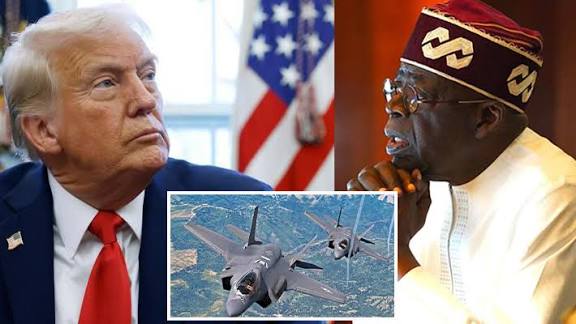
The reaffirmation comes amid global discussions and concerns over Nigeria’s internal affairs, especially following remarks by former U.S. President Donald Trump suggesting possible military intervention in Nigeria over alleged persecution of Christians. The EU, distancing itself from such rhetoric, clarified that its position remains one of cooperation and mutual understanding. It insisted that Nigeria, as a sovereign and independent state, must be allowed to handle its internal matters in accordance with its laws and constitution.
Mignot further explained that the EU’s engagement with Nigeria is guided by principles of equality and partnership. He highlighted ongoing collaborations in counter-terrorism, deradicalisation, reintegration of former armed group members, and support for interfaith dialogue initiatives across northern Nigeria. These efforts, he said, are aimed at strengthening peace and stability, not at dictating how Nigeria should manage its affairs.
- Nigeria’s First Ebola Patient Identified as Wife of Swiss Diplomat as Authorities Probe Source of Infection
 Nigeria’s latest Ebola case has been traced to a 42-year-old…
- MURIC Seeks Police Probe into Alleged Killing of Man Inside Oyo Mosque
 The Muslim Rights Concern (MURIC) has petitioned the police over…
Read More “MURIC Seeks Police Probe into Alleged Killing of Man Inside Oyo Mosque” »
The ambassador also underlined that the EU sees Nigeria as a key player in ensuring regional stability in West Africa. He noted that peace and progress in Nigeria have direct implications for the broader West African subregion and even for Europe’s long-term security. “A stable and prosperous Nigeria contributes to a stable and prosperous Africa, which in turn benefits the entire global community,” he added.
This declaration of respect for Nigeria’s sovereignty also comes at a time when international partnerships are being redefined. The EU, through various frameworks such as the EU-Nigeria Strategic Dialogue and the Multi-Annual Indicative Programme 2021–2027, has been investing in areas like renewable energy, digital transformation, education, and governance reforms — all within Nigeria’s development priorities. The bloc maintained that these partnerships will continue to operate on the principle of national ownership.
Analysts see the EU’s statement as a diplomatic move to reaffirm trust and distance itself from foreign powers whose interventions in African countries have often been criticized as neocolonial. For many Nigerians, the EU’s emphasis on respect and equality signals a more balanced approach to international cooperation — one that acknowledges Nigeria’s growing influence and right to self-determination.
The statement has also been praised by policy observers who note that Nigeria, despite facing internal security and governance challenges, remains a sovereign democracy with the authority to make decisions about its people and resources. They argue that international partners must support these processes through collaboration and capacity building, not by imposing external agendas.
As Nigeria continues to navigate complex domestic and global challenges, the EU’s reaffirmation of sovereignty appears to strengthen diplomatic trust between both sides. It reinforces the notion that true partnership must prioritize respect, equality, and shared progress. In an increasingly interconnected world, where powerful nations often seek to assert dominance, the EU’s message stands out as a reminder that collaboration must never come at the cost of independence.
In essence, the European Union’s statement serves as a diplomatic anchor reaffirming Nigeria’s status as an equal global partner. It signals that while international cooperation remains essential, Nigeria’s sovereignty and its right to chart its own developmental course remains non-negotiable.