



The Nigerian Institute of Town Planners, yesterday, charged the Federal and state governments to develop well-articulated policy for recovery and management of plastic wastes in the country.
It also urged Nigerians to act cautiously in the use of plastics to minimise the negative impacts on the environment.
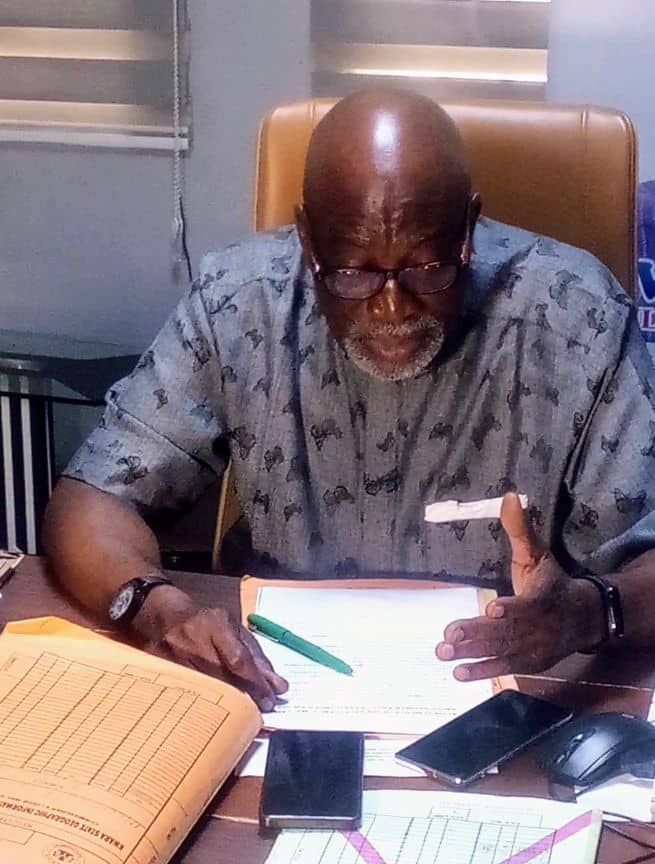
National President of the Institute, Mr. Nathaniel Atebije, gave the charge in message to mark the World Environment Day 2023, entitled: “Towards evolving solutions to plastic pollution in Nigeria: Urban planning perspective”, in Abuja. World environment day is marked first Monday of June every year.
Plastics are a wide range of natural, synthetic or semi-synthetic materials that use polymer as a main ingredient. Some of the most common polymers that are used every day include polyethylene or nylon threads. Between 1950 and 2018, plastics of about 6.3 billion tons were produced worldwide. Only nine per cent and 12 per cent of these were recycled and incinerated while the rest were discarded in landfills and dumps.
Atebije said plastic pollution seemed to have become a menace, which must be handled with diligence, as damage could be done to the environment, if neglected.
He noted that residents in developing countries such as Nigeria, especially the urban poor, were severely impacted by plastic waste often through disposal in unregulated dumps or by burning.
These practices, he warned, created serious health, safety, and environmental consequences, including respiratory issues due to air pollution from burning plastic; shortened animal lifespans arising from plastic consumption; clogging of drains triggering flooding and contamination of precious oceans and waterways.
“In Nigeria, over 32 million tonnes of wastes is generated yearly with plastic accounting for 2.5 million tonnes, according to UNIDO. There is no doubt that plastic waste generation rates are rising in Nigeria. Though, it provides multiple benefits to modern day living, its polluting effects on the natural environment including the ocean and other water bodies in the country are enormous. It is therefore paramount to manage it,” he said.
However, the NITP president advised that any sustainable attempt to manage plastic waste must be guided by a well-articulated policy, adding that the overall objective of the policy must ensure that there is zero-waste disposal of plastic waste.