




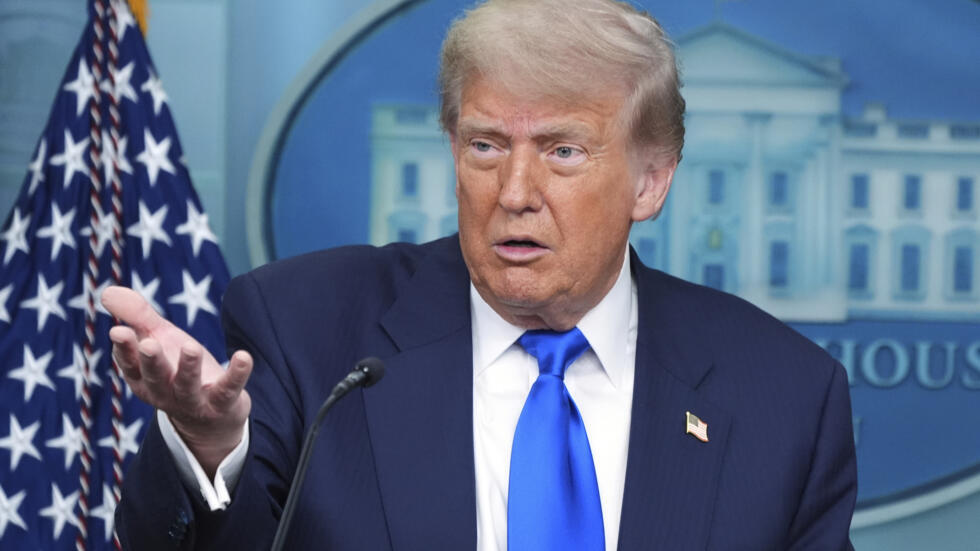
President Donald J. Trump has ordered the United States to withdraw from 66 international organizations, triggering shockwaves across global diplomacy and marking one of the most dramatic reversals of U.S. multilateral engagement in modern history. The decision was formalized through a Presidential Memorandum signed on January 7, 2026, and made public on January 8, with the White House declaring that the affected bodies no longer serve American national interests.
According to official documents, the withdrawal affects 35 non-United Nations organizations and 31 United Nations entities, following an extensive review conducted by the U.S. State Department. The administration said the review assessed whether U.S. participation advanced sovereignty, economic prosperity, national security, and accountability to American taxpayers.
The memorandum directs all relevant federal departments and agencies to immediately begin the legal and administrative processes required to end U.S. participation, funding, and representation in the listed organizations. Where immediate withdrawal is not legally possible, agencies have been instructed to take all permissible steps to scale back engagement.
The White House framed the move as a decisive return to an “America First” foreign policy, arguing that many of the organizations promote agendas that conflict with U.S. priorities. Officials cited concerns ranging from what they described as globalist governance structures and ideological activism to inefficient spending and limited measurable benefits to the American people.
Among the non-UN organizations affected are several climate, migration, and development-focused bodies, including the Intergovernmental Panel on Climate Change (IPCC), the International Renewable Energy Agency (IRENA), and the Global Forum on Migration and Development. The administration argued that these institutions impose policy pressures without sufficient accountability or alignment with U.S. economic interests.
- Nigeria’s First Ebola Patient Identified as Wife of Swiss Diplomat as Authorities Probe Source of Infection
 Nigeria’s latest Ebola case has been traced to a 42-year-old…
- MURIC Seeks Police Probe into Alleged Killing of Man Inside Oyo Mosque
 The Muslim Rights Concern (MURIC) has petitioned the police over…
Read More “MURIC Seeks Police Probe into Alleged Killing of Man Inside Oyo Mosque” »
The 31 UN-related entities named in the memorandum include major agencies and programs such as the UN Framework Convention on Climate Change (UNFCCC), UN Women, the UN Population Fund (UNFPA), and the UN Conference on Trade and Development (UNCTAD). Withdrawal from these bodies generally involves ending financial contributions and formal participation, subject to U.S. legal constraints.
Supporters of the move have praised the president for what they describe as a long-overdue reset of U.S. foreign commitments, saying it will save billions of dollars and prevent international bodies from influencing domestic policy. They argue that the United States can still engage globally through bilateral agreements without being bound by multilateral institutions.
Critics, however, warn that the mass withdrawal could significantly reduce U.S. influence on global issues such as climate change, human rights, development, and conflict resolution. Diplomats and policy analysts have cautioned that stepping away from these platforms may leave leadership vacuums that rival powers could fill.
The decision is consistent with President Trump’s long-standing skepticism toward multilateral institutions. During previous terms and campaigns, he criticized global organizations as unfair to the United States and previously moved to withdraw from or defund bodies such as the World Health Organization and international climate agreements.
As implementation begins, the Secretary of State has been tasked with coordinating the withdrawals and managing diplomatic fallout. With allies, international partners, and global institutions reacting strongly, the move is expected to redefine America’s role on the world stage and fuel intense debate over the future of U.S. global leadership in the months ahead.