


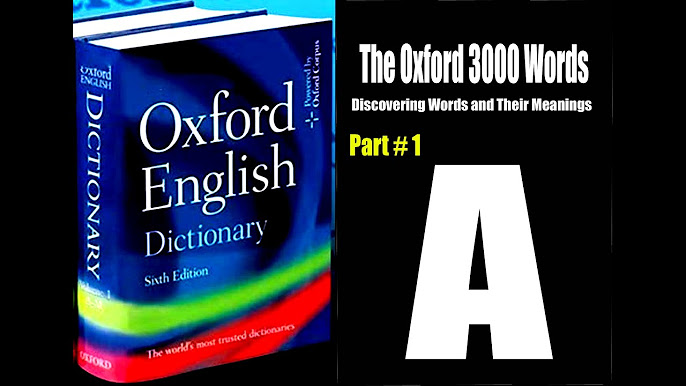
In a landmark update released by the Oxford English Dictionary (OED), several widely used Nigerian and West African words, including nyash, mammy market, and amala, have been formally added to the global lexicon of one of the world’s most authoritative English dictionaries.
The latest expansion, announced via the OED’s official X account in early January 2026, forms part of a quarterly review of the dictionary’s content. The update incorporates 279 new words and senses, among which more than 20 originate from Nigeria and other West African English varieties.
Among the newly recognised Nigerian and West African words are:
nyash — defined as a person’s backside or buttocks, particularly in informal speech.
mammy market — described as a market typically run by women, first known within Nigerian military barracks and later at youth service camps and educational institutions.
amala — recognised as a staple Nigerian food made from yam, cassava or plantain flour, shaped into a dough-like form and served with soups and stews.
Other Nigerian entries added in this update include popular expressions such as abeg, biko, Afrobeats, Ghana Must Go, moi moi and several others that reflect everyday speech, cultural practices, and cuisine across West Africa.
- Nigeria’s First Ebola Patient Identified as Wife of Swiss Diplomat as Authorities Probe Source of Infection
 Nigeria’s latest Ebola case has been traced to a 42-year-old…
- MURIC Seeks Police Probe into Alleged Killing of Man Inside Oyo Mosque
 The Muslim Rights Concern (MURIC) has petitioned the police over…
Read More “MURIC Seeks Police Probe into Alleged Killing of Man Inside Oyo Mosque” »
The inclusion of these terms marks a continued recognition of Nigerian and wider West African influence on contemporary English. Many of the added entries, spanning food, music, market culture, and slang, illustrate how regional languages and cultural expressions are shaping English on a global scale.
Linguists and cultural commentators see this as part of a broader trend where dictionaries evolve to document living language, capturing words that reflect technological change, cultural exchange, and community identity.
This update follows previous additions of Nigerian terms in recent years, showcasing an expanding presence of African English in international language repositories. The OED’s recognition of nyash, mammy market, and amala underscores the dynamic nature of English as it adapts to diverse social and cultural influences worldwide.