


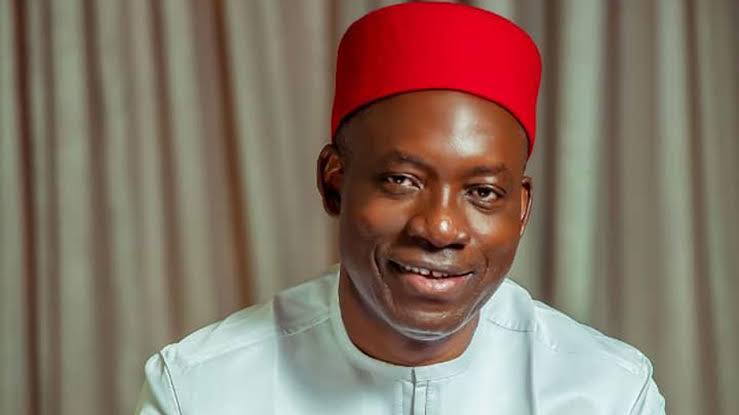


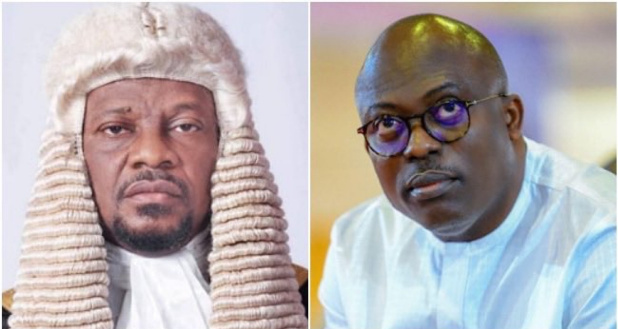
In a major political development shaking the politics of Nigeria’s oil-rich Rivers State, the Rivers State House of Assembly has formally commenced impeachment proceedings against Governor Siminalayi Joseph Fubara.
Lawmakers in the state capital, Port Harcourt, began the process on Thursday in what political analysts describe as a culmination of a long-running power struggle between the governor and a faction of the state legislature. If the impeachment bid succeeds, it could see Governor Fubara removed from office by the state parliament.
What Triggered the Impeachment Move
According to reports, the impeachment motion centers on allegations of misconduct and gross abuse of office, although lawmakers have not yet publicly released the detailed charges at this stage of the proceedings.
One news source also reported that alongside Fubara, the House of Assembly is pursuing impeachment action against his deputy, Prof. Ngozi Odu.
Political Backdrop
The impeachment effort marks a new chapter in longstanding political tensions in Rivers State, where Fubara’s relationship with some lawmakers, especially those aligned with his political predecessor and FCT Minister Nyesom Wike — has been fractious.
- Nigeria’s First Ebola Patient Identified as Wife of Swiss Diplomat as Authorities Probe Source of Infection
 Nigeria’s latest Ebola case has been traced to a 42-year-old…
- MURIC Seeks Police Probe into Alleged Killing of Man Inside Oyo Mosque
 The Muslim Rights Concern (MURIC) has petitioned the police over…
Read More “MURIC Seeks Police Probe into Alleged Killing of Man Inside Oyo Mosque” »
This latest move follows a history of friction between the executive and legislative arms in the state stretching back years, with previous attempts to remove the governor through impeachment and even federal intervention via emergency rule in 2025.
Reactions and Next Steps
There has been no official response yet from Governor Fubara’s office regarding the impeachment process. Political supporters and critics alike are watching closely as the Assembly begins what could be a constitutional showdown with the governor.
What Happens Now?
Under Nigeria’s constitution, impeachment is a multistage process that requires lawmakers to present specific allegations, allow for defense by the accused, and secure a stipulated legislative majority. The constitutional process is designed to ensure due process before any removal from office.