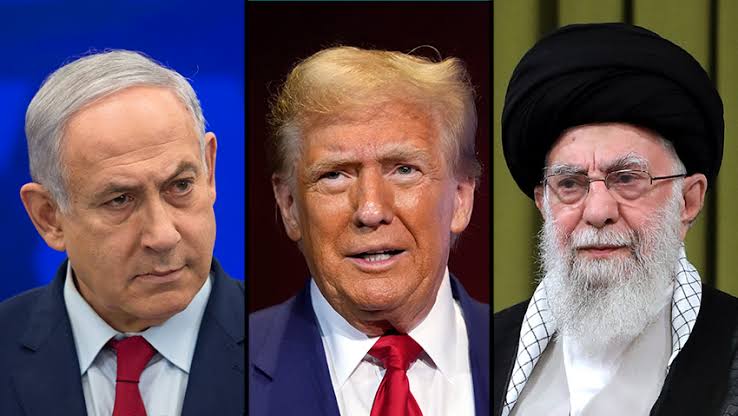





U.S. President Donald Trump has sharply escalated tensions with Iran, warning that the United States could launch sweeping attacks on the country’s critical infrastructure—including power plants and bridges—if Tehran refuses to accept a proposed deal from Washington.
The threat comes as both countries prepare for another round of high-stakes negotiations, expected to take place in Islamabad, Pakistan, following the collapse of earlier talks. According to multiple reports, Trump has framed the ultimatum as part of a broader effort to force Iran into compliance on key issues, including its nuclear programme and regional activities.
In recent remarks and social media posts, Trump signaled a willingness to intensify military pressure, stating that the U.S. could “knock out” Iran’s infrastructure if a deal is not reached. The warning marks one of the most explicit threats yet in the ongoing standoff, which has already seen military exchanges and economic blockades.
The administration has defended the rhetoric as a strategic tool to compel de-escalation. U.S. officials, including Ambassador to the United Nations Mike Waltz, argued that infrastructure linked to Iran’s military apparatus could be considered legitimate targets, dismissing criticisms that such strikes would violate international law.
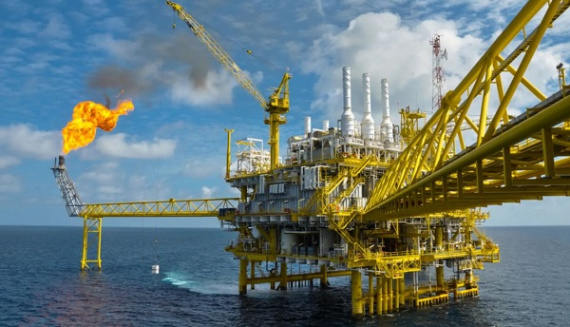
The backdrop to the ultimatum is a rapidly deteriorating security situation in the Middle East. Iran has maintained pressure by disrupting traffic through the strategically vital Strait of Hormuz, a key global oil route, while the United States continues a naval blockade of Iranian ports.
- Tinubu Flags Off $100m Southeast Gas Pipeline Project to Boost Industrial Growth
 President Bola Tinubu has flagged off a $100 million gas…
Read More “Tinubu Flags Off $100m Southeast Gas Pipeline Project to Boost Industrial Growth” »
- NCC Raises Alarm Over AI-Powered Cyberattacks, Warns of Threats to Telecoms, Banks and National Security
 The Nigerian Communications Commission (NCC) has warned that the growing…
Despite the aggressive tone, Washington insists diplomacy remains on the table. U.S. envoys are scheduled to resume negotiations with Iranian counterparts, with officials expressing cautious optimism about a possible breakthrough—even as both sides continue to exchange threats.
However, uncertainty remains high. Iran has not fully committed to the talks and continues to express distrust of U.S. intentions, particularly in light of ongoing military pressure and sanctions. Analysts warn that the situation remains volatile, with the risk of further escalation if negotiations fail.
The latest developments underscore a familiar pattern in U.S.–Iran relations—diplomacy pursued in parallel with brinkmanship—raising concerns globally about the potential for a broader regional conflict if neither side backs down.