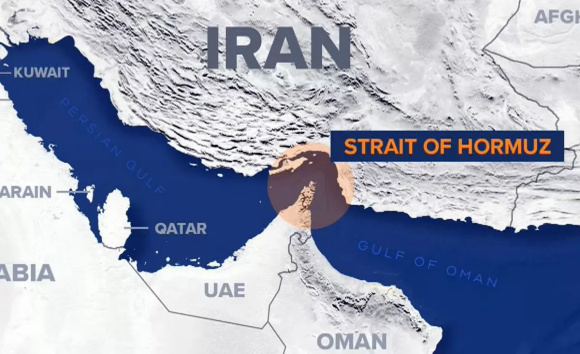


Iran has announced that the strategic Strait of Hormuz remains open to international shipping, but with a critical restriction: vessels linked to countries it considers adversaries, particularly the United States and Israel will not be allowed safe passage, according to a Reuters report.
The statement was delivered by Iran’s representative to the International Maritime Organization, who emphasized that Tehran is committed to maintaining maritime access for neutral or non-hostile nations while reserving the right to deny entry to “enemy-linked” ships amid ongoing hostilities.
The move comes against the backdrop of an escalating conflict involving Iran, the United States, and Israel, which began in late February 2026. The war has significantly destabilized the Gulf region, with both sides issuing threats targeting energy infrastructure and military assets.
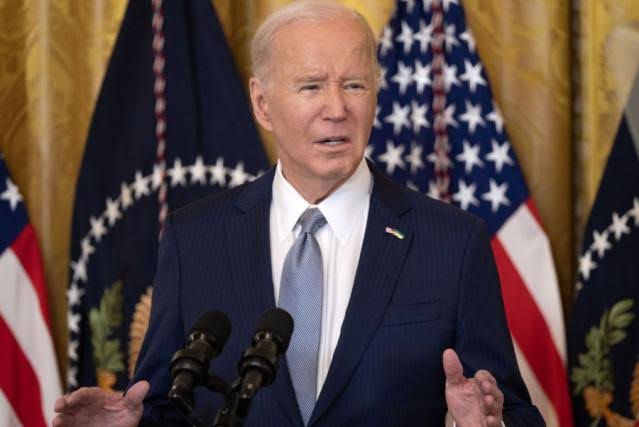
U.S. President Donald Trump had issued a 48-hour ultimatum demanding that Iran fully reopen the strait, warning of possible strikes on Iranian power facilities if compliance was not met. In response, Iran maintained its stance, keeping the waterway partially open while excluding vessels tied to its adversaries.
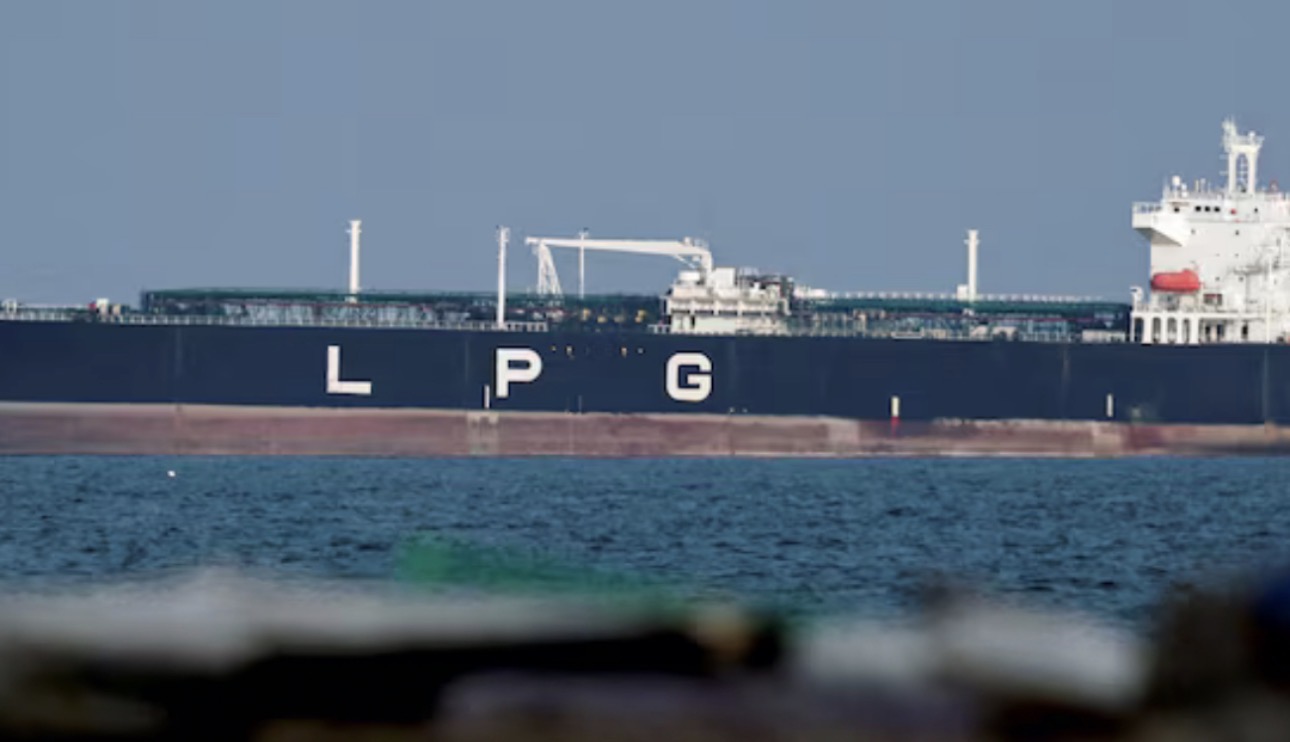
The Strait of Hormuz is one of the world’s most critical maritime chokepoints, handling approximately 20 percent of global oil and liquefied natural gas shipments. Any disruption to traffic through the narrow passage has immediate and far-reaching consequences for global energy markets.
Since the outbreak of hostilities, maritime traffic through the strait has dropped sharply due to security concerns, attacks on vessels, and fears of further escalation. Analysts warn that the situation has already pushed oil prices upward and triggered volatility in global financial markets.
- Tragedy in Kogi: Police Corporal Allegedly Kills Female Colleague, Takes Own Life After Reported Relationship Crisis
 A tragic shooting incident involving two serving police officers has…
- Tottenham Stun Chelsea at Stamford Bridge as Palmer Sees Red and Maddison Suffers Fresh Injury Blow
 Tottenham Hotspur delivered a statement victory over London rivals Chelsea…
While Iran insists the strait is technically “open,” the selective restriction has effectively created a controlled transit regime. Some vessels from countries not directly involved in the conflict such as China, India, and others have reportedly been allowed limited passage under heightened security conditions.
However, the policy has drawn international concern, with multiple countries condemning Iran’s actions and discussing joint measures to ensure freedom of navigation in the Gulf. Maritime security risks remain elevated, with reports of attacks, mines, and military activity further discouraging commercial shipping.
Despite the hardline stance, Iran has indicated a willingness to cooperate with international bodies to ensure maritime safety for vessels not associated with hostile nations. Officials say diplomatic engagement remains an option, but insist that continued military pressure from adversaries undermines trust and stability in the region.
The partial restriction of the Strait of Hormuz underscores the fragile state of global energy security. With a significant share of the world’s oil supply passing through the corridor, any prolonged disruption could deepen economic strain worldwide, particularly for energy-importing nations.
As tensions persist, the situation in the Strait of Hormuz remains a critical flashpoint with the potential to reshape geopolitical alignments and global energy flows in the weeks ahead.