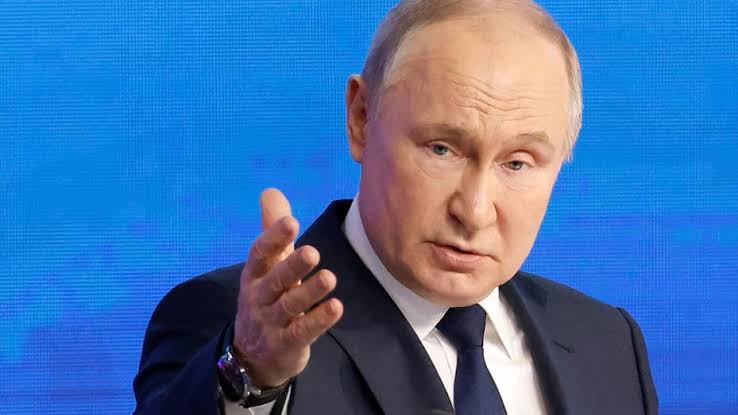




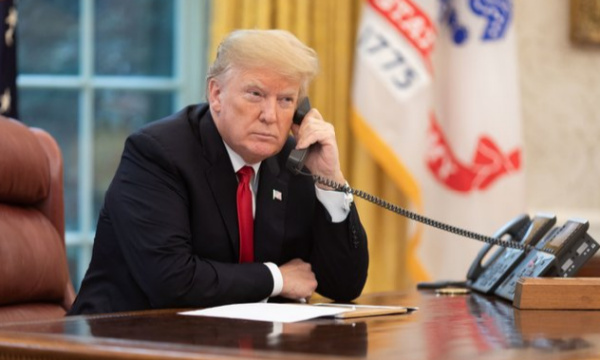
Tensions in the Middle East escalated sharply on Sunday as United States President Donald Trump threatened to “obliterate” Iran’s energy infrastructure, marking a dramatic shift from his earlier suggestion that Washington might begin winding down military operations.
The warning, issued via social media, gave Iran a 48-hour ultimatum to fully reopen the Strait of Hormuz, a critical global oil transit route or face targeted U.S. strikes on its power and energy facilities.
Trump specifically warned that U.S. forces would “hit and obliterate” Iranian power plants, starting with the largest, if Tehran failed to comply before the stated deadline.
The ultimatum came just a day after the U.S. president indicated that American forces were “close to meeting” their objectives in the ongoing conflict and were considering scaling down operations, a stance now contradicted by the latest hardline posture.
The crisis centres on the Strait of Hormuz, a vital maritime chokepoint through which a significant share of the world’s oil supply passes. Disruptions in the area have heightened global economic concerns and intensified geopolitical tensions.
The ongoing war, launched by the United States and Israel against Iran has already claimed over 2,500 lives and expanded across multiple fronts in the region.
- Nigeria’s First Ebola Patient Identified as Wife of Swiss Diplomat as Authorities Probe Source of Infection
 Nigeria’s latest Ebola case has been traced to a 42-year-old…
- MURIC Seeks Police Probe into Alleged Killing of Man Inside Oyo Mosque
 The Muslim Rights Concern (MURIC) has petitioned the police over…
Read More “MURIC Seeks Police Probe into Alleged Killing of Man Inside Oyo Mosque” »
Iran reacted swiftly to Trump’s warning, stating that any attack on its energy infrastructure would trigger retaliatory strikes targeting U.S. and allied assets in the region, particularly energy and desalination facilities.
This exchange of threats underscores the growing risk of a broader regional confrontation, with both sides signalling readiness to target critical infrastructure, an escalation that could have severe implications for global energy security.
Meanwhile, Trump’s latest ultimatum has raised questions among analysts about the coherence of U.S. strategy, given the rapid shift from de-escalation rhetoric to explicit threats of large-scale destruction.
Observers warn that such mixed signals could complicate diplomatic efforts while increasing uncertainty in already volatile global energy markets.
As the 48-hour deadline approaches, attention remains fixed on Tehran’s next move and whether diplomacy or further escalation will define the next phase of the crisis.