






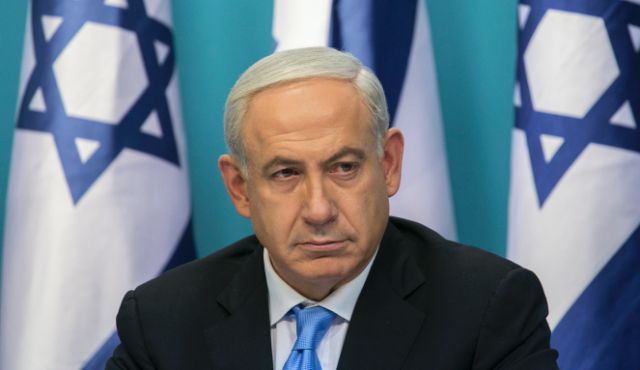
Israeli Prime Minister Benjamin Netanyahu has condemned ongoing attacks against Christian communities in Nigeria, declaring that the violence must come to an end. His remarks were delivered as part of a Christmas message addressed to Christians around the world, drawing renewed international attention to Nigeria’s long-running security and religious freedom challenges.
In the message released late on Wednesday, Netanyahu expressed solidarity with Christians facing persecution and insecurity in different parts of the world, with specific reference to Nigeria. He said attacks targeting people on the basis of their faith are unacceptable and should not be tolerated under any circumstance.
The Israeli leader stressed that religious persecution, whether against Christians or adherents of any other faith, undermines basic human rights and global values. He called on authorities and the international community to take decisive steps to protect vulnerable religious groups and halt the cycle of violence.
Netanyahu’s comments come against the backdrop of repeated attacks on Christian communities in parts of northern and central Nigeria, where militant groups, bandits and insurgents have targeted villages, places of worship and religious gatherings over several years. These attacks have often resulted in deaths, destruction of property and large-scale displacement.
- Nigeria’s First Ebola Patient Identified as Wife of Swiss Diplomat as Authorities Probe Source of Infection
 Nigeria’s latest Ebola case has been traced to a 42-year-old…
- MURIC Seeks Police Probe into Alleged Killing of Man Inside Oyo Mosque
 The Muslim Rights Concern (MURIC) has petitioned the police over…
Read More “MURIC Seeks Police Probe into Alleged Killing of Man Inside Oyo Mosque” »
In his Christmas address, the Israeli prime minister contrasted the situation in Nigeria with Israel’s commitment to religious freedom, noting that Christianity and Judaism are closely linked Abrahamic faiths with shared roots in ancient Israel. He said Israel remains a place where Christians can practise their faith freely and safely.
The message also highlighted the broader issue of protecting religious minorities globally, with Netanyahu urging leaders to ensure that freedom of worship is upheld regardless of geography. He described attacks motivated by religious extremism as a threat to peace and coexistence.
International concern over violence against Christians in Nigeria has grown in recent years, with human rights groups and foreign governments repeatedly calling for stronger action to address insecurity. Netanyahu’s statement adds to a series of similar condemnations by global leaders during major religious holidays.
Within Nigeria, successive governments have maintained that the country is a secular state and have pledged to protect citizens of all faiths. Authorities have often attributed the violence to terrorism, banditry and communal conflicts rather than official religious persecution, while acknowledging the scale of the security challenge.
Religious leaders in Nigeria have continued to call for improved security, justice for victims and long-term solutions to the root causes of violence, including poverty, weak law enforcement and the spread of extremist ideologies. They have also urged international partners to support peace-building efforts.
Netanyahu’s Christmas message, therefore, places Nigeria’s situation firmly on the global stage, reinforcing calls for urgent action to end attacks on Christians and other vulnerable communities. The statement underscores the growing international expectation that concrete measures be taken to restore security and protect religious freedom across the country.