

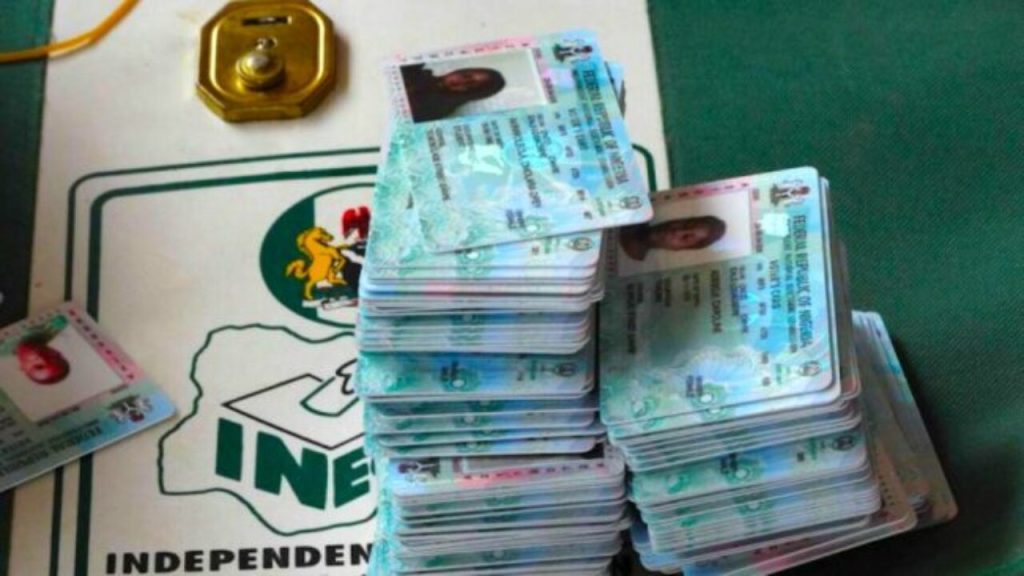
Jigawa State has emerged at the forefront of the ongoing Phase II of the Continuous Voter Registration (CVR) exercise, recording the highest number of newly registered voters nationwide as announced by the Independent National Electoral Commission (INEC).
According to the latest update released by INEC on its official platform, a total of 1,228,648 eligible Nigerians had fully completed their registrations by the end of Week Six of Phase II on 13 February 2026 — up from 884,737 at the close of Week Five. The figures underscore a noticeable rise in civic participation across the country.
In the state-by-state breakdown, Jigawa topped the list with 98,698 new registrants, representing about 8.03% of all registrations. It was followed by Lagos State with 86,307, Sokoto State with 77,004, and Kano State with 71,990 new voters.
INEC’s data shows a blend of online and in-person engagement, with 673,124 applicants starting with online pre-registration and 555,524 completing the process physically at designated registration centres across the federation.
The latest figures also highlight notable demographic trends:
- Women continue to outnumber men in registration, with 696,891 (57%) female registrants compared to 531,757 (43%) male.
- Youth participation remains strong, as 848,066 registrants, or roughly 69%, are aged between 18 and 34.
- Additionally, 19,414 Persons with Disabilities (PWDs) have registered so far, reflecting efforts to make the electoral process inclusive.
- Nigeria’s First Ebola Patient Identified as Wife of Swiss Diplomat as Authorities Probe Source of Infection
 Nigeria’s latest Ebola case has been traced to a 42-year-old…
- MURIC Seeks Police Probe into Alleged Killing of Man Inside Oyo Mosque
 The Muslim Rights Concern (MURIC) has petitioned the police over…
Read More “MURIC Seeks Police Probe into Alleged Killing of Man Inside Oyo Mosque” »
Phase II of the CVR exercise began on 5 January 2026 and is scheduled to continue until April, offering eligible Nigerians who missed the first phase — and those seeking to transfer, update, or correct their voter registry details — another opportunity to enrol.
The exercise is ongoing nationwide except in the Federal Capital Territory (FCT), where registration remains suspended temporarily to accommodate scheduled Area Council elections on 21 February 2026, in line with electoral law requirements.
The rising turnout in Phase II, and Jigawa’s notable lead, suggest increased engagement in Nigeria’s electoral process as the nation prepares for forthcoming polls.