




The Independent National Electoral Commission (INEC) has warned that political parties that violate statutory requirements on membership registers and candidate nominations may lose the right to field affected candidates in the 2027 general elections, following the Supreme Court’s restoration of key provisions of the Electoral Act 2026.
The warning has intensified attention around the nominations of several politicians, including Rivers State governorship candidate Kingsley Chinda, after the Supreme Court on September 24, 2026, restored Sections 77(5), 77(6), 77(7) and 84(2) of the Electoral Act. The provisions had earlier been declared unconstitutional by the Court of Appeal following a challenge by the Zenith Labour Party (ZLP).
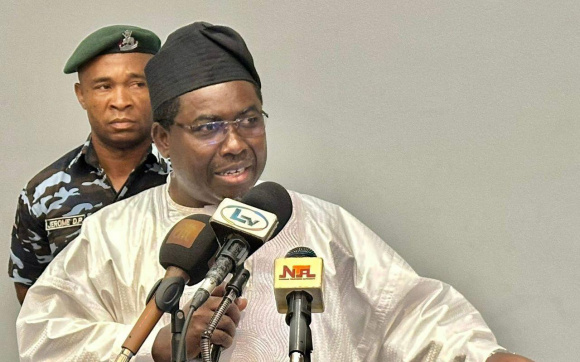
Speaking on Trust TV’s Daily Politics programme, INEC National Commissioner for Information and Voter Education, Mohammed Haruna, said the commission would examine the records of candidates and parties to determine compliance with the law. He stressed that where a nomination is found to have resulted from a breach of the statutory requirements, the affected party may not simply replace the candidate and benefit from the original violation.
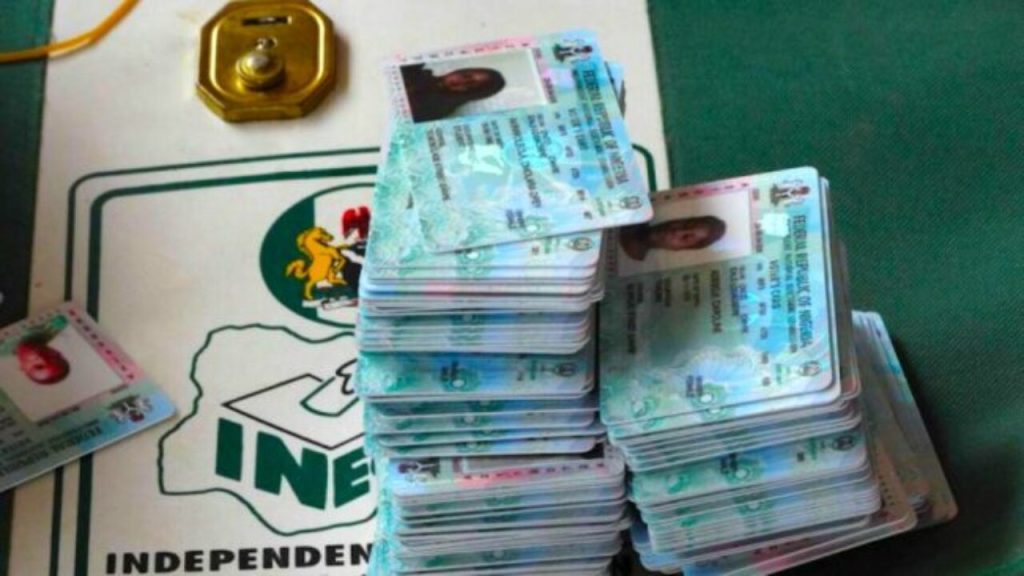
The controversy stems principally from Section 77 of the Electoral Act. Under subsection 5, only members whose names appear on a political party’s membership register submitted to INEC within the prescribed period can participate in the party’s primary, congress or convention. Subsection 6 requires parties to use the same register submitted to the commission, while subsection 7 provides that a party that fails to submit its register within the stipulated period cannot field a candidate for an election.
The Supreme Court, in a unanimous decision by a seven-member panel led by Justice Adamu Jauro, held that the disputed provisions were not inconsistent with the 1999 Constitution. It consequently set aside the Court of Appeal’s decision and restored the judgment of the Federal High Court, which had earlier dismissed the ZLP’s challenge. The apex court also awarded N2 million in costs against the ZLP.
Chinda’s case has attracted particular attention because he emerged as the All Progressives Congress (APC) governorship candidate in Rivers State after registering as an APC member on April 27, 2026, ahead of the party’s May 21 governorship primary. The Rivers APC has maintained that the 24-day interval between his registration and the primary satisfied the 21-day requirement contained in Section 77.
However, the Supreme Court judgment itself did not mention Chinda by name or order his disqualification. Rather, it restored the legal provisions that will now be used in assessing whether political parties complied with the requirements governing their membership registers and nomination processes. Consequently, any determination concerning an individual candidate would depend on the relevant records and the circumstances of the nomination.
INEC Chairman Professor Joash Amupitan had earlier confirmed that the commission received the Certified True Copy of the Supreme Court judgment and commenced its review. The commission has also received complaints and representations from political parties, aspirants and members of the National Assembly concerning the implications of the judgment for the 2027 electoral process.
Haruna said the commission was examining candidates across the different levels of the elections, including governorship, National Assembly and state assembly contests. He indicated that the review would determine whether candidates were members of the relevant political parties and whether their names appeared on the appropriate membership registers when required by law.
For now, therefore, the Supreme Court judgment should not be interpreted as an automatic disqualification of Chinda or any other named candidate. The ruling has restored the statutory framework, while INEC’s ongoing examination of party registers, nomination records and related documents will determine how the provisions apply to individual cases. The electoral commission is expected to make a clearer pronouncement after completing its review, leaving affected candidates and political parties awaiting the outcome of that process.
- Nigeria’s First Ebola Patient Identified as Wife of Swiss Diplomat as Authorities Probe Source of Infection
 Nigeria’s latest Ebola case has been traced to a 42-year-old…
- MURIC Seeks Police Probe into Alleged Killing of Man Inside Oyo Mosque
 The Muslim Rights Concern (MURIC) has petitioned the police over…
Read More “MURIC Seeks Police Probe into Alleged Killing of Man Inside Oyo Mosque” »