


The House of Representatives has raised an alarm over a credible terrorist threat targeting the National Assembly Complex in Abuja. The shocking revelation came on Tuesday, October 28, 2025, during a public hearing on a new bill seeking to strengthen the internal security architecture of the legislative arm of government. Lawmakers disclosed that intelligence reports had uncovered plans by terrorists to bomb the National Assembly, posing a grave danger to both legislators and the nation’s democratic institutions.
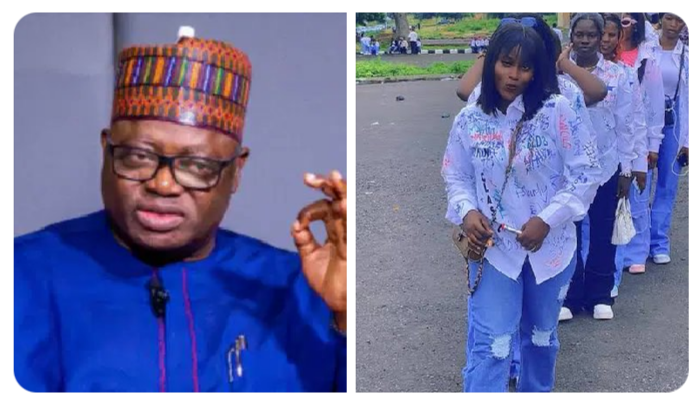
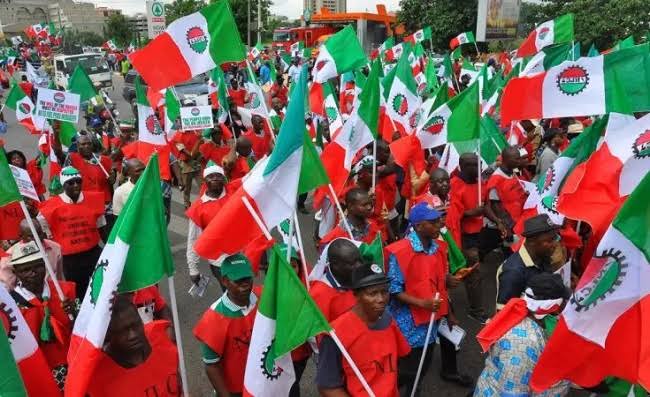
The Chairman of the House Committee on Internal Security, Hon. Garba Muhammad, who made the revelation, warned that the intelligence received was serious and must not be ignored. He explained that the threat included a potential bomb attack on the complex and another plan by certain protesters to lock up the National Assembly in a coordinated disruption of legislative activities. According to him, the threats underscore the need for an independent and well-equipped security framework within the legislature to forestall any form of breach.
Hon. Muhammad lamented the growing cases of insecurity and infiltration around the legislative environment, noting that several incidents of theft, impersonation, and unauthorized access had already been recorded. He cited the frequent theft of vehicles and motorcycles, the use of fake identity cards by impostors, and the free movement of unauthorized individuals around the complex as serious lapses that must be urgently addressed. The lawmaker added that the security situation was already worrisome and required a proactive response before it escalated into a national tragedy.
He warned that if such threats were not adequately managed, the consequences could cripple the entire legislative process. “If our activities are thwarted, there will be no representation, no oversight, no budget, no plenary sessions — and that will destabilize democracy and the stability of our nation,” he declared. His remarks drew strong reactions from other members who called for immediate measures to secure the lives of lawmakers, staff, and visitors within the National Assembly complex.
- Bournemouth Humiliate Manchester United 3-0 at Old Trafford as Carrick Faces Mounting Pressure
 Bournemouth delivered another painful blow to Manchester United on Sunday,…
- Tragedy in Kogi: Police Corporal Allegedly Kills Female Colleague, Takes Own Life After Reported Relationship Crisis
 A tragic shooting incident involving two serving police officers has…
At the heart of the discussion was the proposed “Legislative Security Directorate Bill (HB 1632),” which seeks to establish a specialized agency responsible for maintaining and coordinating security operations within the National Assembly. Lawmakers argued that the current arrangement, which relies heavily on external security agencies, leaves too many loopholes and exposes the legislature to avoidable risks. They insisted that the new directorate would provide tailored intelligence, internal patrols, and rapid response capabilities specific to legislative needs.
Garba Muhammad emphasized that the creation of the directorate was not merely an institutional luxury but a national necessity. He noted that democratic stability rests on the continuous functioning of the legislature, which must not be vulnerable to both terrorist attacks and politically motivated disruptions. He urged the leadership of the National Assembly to prioritize funding for the proposed directorate and ensure that security reforms within the complex are fast-tracked before the end of the year.
Several lawmakers also raised concerns about the general security challenges facing Nigeria, noting that terrorists have become bolder in their tactics and targets. They warned that if terrorists could attack government facilities in the past, targeting the National Assembly would not be far-fetched. The lawmakers called for closer coordination between the proposed security directorate, the Department of State Services (DSS), the Nigeria Police Force, and the military to ensure seamless intelligence sharing and preventive action.
Observers say the revelation has once again exposed the fragile nature of security around Nigeria’s key democratic institutions. In recent months, there have been multiple breaches of the National Assembly’s security perimeter, including unauthorized protests and access by unverified persons. The latest intelligence, however, has elevated the situation from a mere security concern to a matter of national emergency, with implications that could reverberate across all levels of governance.
Meanwhile, civil society groups have called for transparency in handling the threat, urging authorities to avoid creating panic while ensuring that preventive measures are visible and effective. They stressed that Nigerians must be reassured of their safety and the resilience of the country’s democratic institutions, even in the face of threats. Security analysts have also advised the legislature to conduct periodic safety drills and enhance surveillance systems across the complex.
As the House of Representatives moves to pass the Legislative Security Directorate Bill, the nation watches closely to see how quickly proactive measures will be implemented. The fear of a possible terror attack on the National Assembly underscores a deeper national challenge — the urgent need to fortify democratic institutions against the evolving threats of extremism, insecurity, and internal sabotage. The warning from lawmakers serves as both a wake-up call and an opportunity to protect one of the most critical symbols of Nigeria’s democracy.