


The Presidency has pushed back strongly against allegations that Nigeria’s newly enacted tax reform laws were altered after approval by the National Assembly, as former Vice President Atiku Abubakar, Labour Party’s 2023 presidential candidate Peter Obi, and other political actors call for an immediate suspension of the laws’ implementation. The controversy has ignited a fresh national debate over legislative integrity, transparency, and due process in the country’s governance system.
At the centre of the dispute are four major tax reform laws recently signed by President Bola Ahmed Tinubu, aimed at overhauling Nigeria’s tax administration framework. The laws include the Nigeria Tax Act, the Nigeria Tax Administration Act, the Nigeria Revenue Service (Establishment) Act, and the Joint Revenue Board (Establishment) Act. The Federal Government has described the reforms as critical to improving revenue generation, widening the tax net, and reducing leakages across federal and state tax systems.
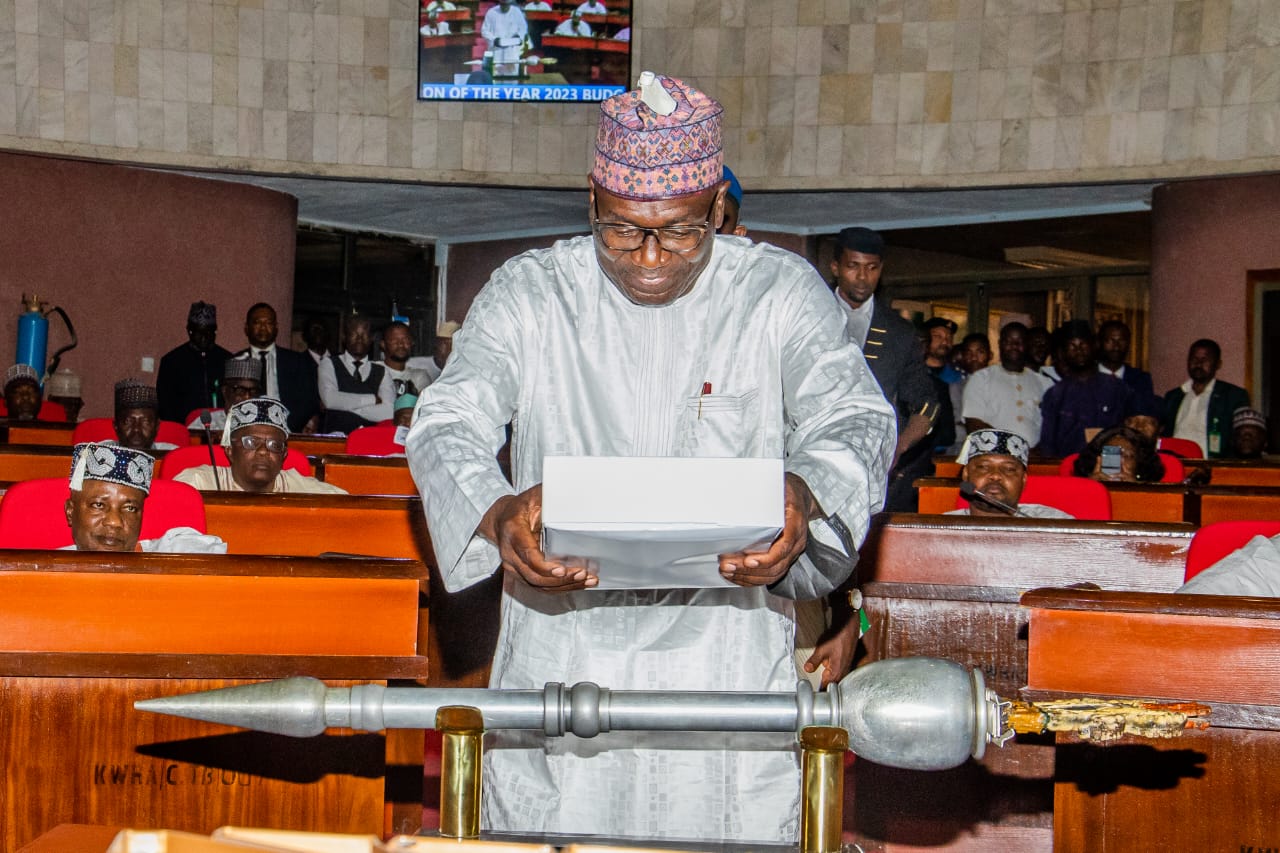
Concerns escalated after a member of the House of Representatives raised an alarm that the versions of the tax laws gazetted for public use allegedly differ from the texts debated and passed by lawmakers. According to the claims, some provisions were either removed or added without the consent of the National Assembly, raising questions about whether the final documents truly reflect legislative approval.
Opposition figures quickly seized on the allegations, warning that any post-passage alteration of laws would amount to a serious constitutional breach. Atiku Abubakar called for the suspension of the tax laws, arguing that Nigerians should not be subjected to new tax obligations under a cloud of uncertainty. He insisted that the integrity of the law-making process must be protected and fully clarified before implementation.
- Nigeria’s First Ebola Patient Identified as Wife of Swiss Diplomat as Authorities Probe Source of Infection
 Nigeria’s latest Ebola case has been traced to a 42-year-old…
- MURIC Seeks Police Probe into Alleged Killing of Man Inside Oyo Mosque
 The Muslim Rights Concern (MURIC) has petitioned the police over…
Read More “MURIC Seeks Police Probe into Alleged Killing of Man Inside Oyo Mosque” »
Peter Obi also criticised the situation, describing the alleged discrepancies as a national embarrassment and a threat to democratic accountability. He urged the government to make public all versions of the tax bills from drafting to passage and gazetting, so Nigerians can clearly see what was approved by their elected representatives and what eventually became law.
Beyond individual politicians, opposition parties and civil society organisations have joined the call for a halt to implementation. Some groups allege that contentious provisions relating to enforcement powers, appeals, and penalties were introduced without legislative debate, while others fear the reforms could place additional burdens on citizens and small businesses without adequate safeguards.
The Presidency, however, has firmly denied any wrongdoing. Presidential aides have described the allegations as politically motivated and insisted that the tax laws went through due legislative process before being signed. According to the Presidency, there is no evidence of unlawful alterations, and the reforms remain essential to stabilising Nigeria’s economy and strengthening public finance management.
Government officials have also pointed to the decision of the House of Representatives to set up an ad hoc committee to investigate the allegations. The Presidency has urged critics to allow the legislative probe to run its course, expressing confidence that the investigation will confirm that no procedural breach occurred during the passage of the tax laws.
Despite the mounting criticism, the Federal Government has maintained that the implementation timeline remains unchanged, with the tax reforms expected to take effect from January 1, 2026. Officials argue that delaying the reforms could undermine ongoing efforts to modernise the tax system and improve revenue mobilisation amid economic pressures.
As investigations continue, the controversy has placed renewed focus on transparency, legislative accountability, and public trust in Nigeria’s law-making process. The outcome of the National Assembly’s probe is expected to shape not only the fate of the tax reforms but also broader conversations about governance standards and constitutional compliance in the country.