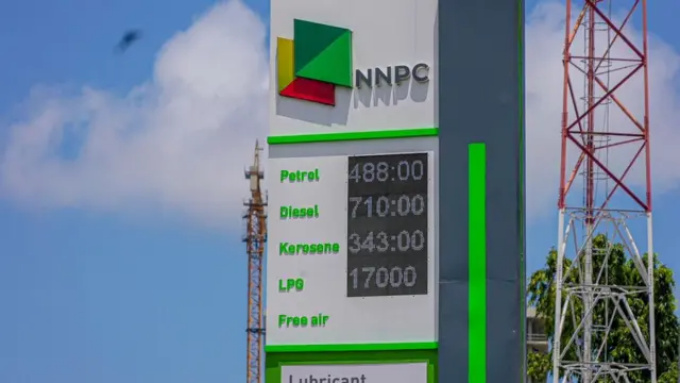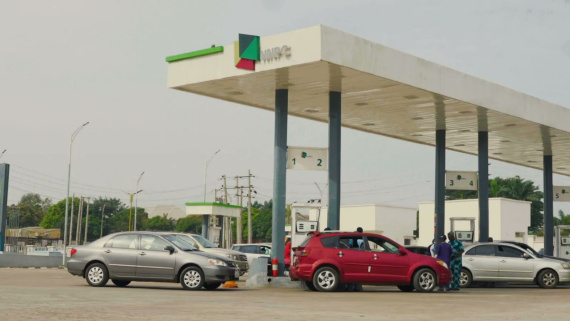





The National President of the Petroleum Products Retail Outlets Owners Association of Nigeria (PETROAN), Billy Gillis-Harry, has explained why the pump price of petrol has not fallen below ₦1,000 per litre in Nigeria, despite recent reductions in the ex-depot price by the Dangote Refinery.
Speaking after a stakeholders’ meeting convened by the Federal Government, Gillis-Harry said petrol pricing is determined by a combination of costs incurred throughout the supply chain rather than the refinery’s selling price alone.
According to him, the retail price motorists pay reflects additional expenses such as transportation, logistics, depot operations, financing, and marketers’ operating costs. These factors, he noted, prevent an immediate and proportional drop in pump prices whenever refiners reduce their prices.
He stressed that fuel marketers are also compelled to sell existing stock purchased at earlier, higher prices before they can fully reflect any fresh reductions in retail outlets.
Gillis-Harry added that market forces in Nigeria’s deregulated downstream petroleum sector now play a major role in determining pump prices, making it unrealistic to expect an automatic fall below the ₦1,000-per-litre threshold solely because refinery prices have declined.
The PETROAN president’s remarks came as industry stakeholders, including the Dangote Refinery, depot owners and petroleum marketers, met with government officials to discuss strategies for lowering fuel prices across the distribution chain.
Following the meeting, stakeholders expressed optimism that improved collaboration and efficiency in product distribution could lead to more competitive petrol prices for consumers in the near future.
- Tottenham Stun Chelsea at Stamford Bridge as Palmer Sees Red and Maddison Suffers Fresh Injury Blow
 Tottenham Hotspur delivered a statement victory over London rivals Chelsea…
- AFCOM-HS: New Military Medical College Listed on JAMB Portal for 2026/2027 Admission
 The Armed Forces College of Medicine and Health Sciences (AFCOM-HS),…
Read More “AFCOM-HS: New Military Medical College Listed on JAMB Portal for 2026/2027 Admission” »